From Sipa to the World Stage: The Enduring Power of Sports in Philippine Culture
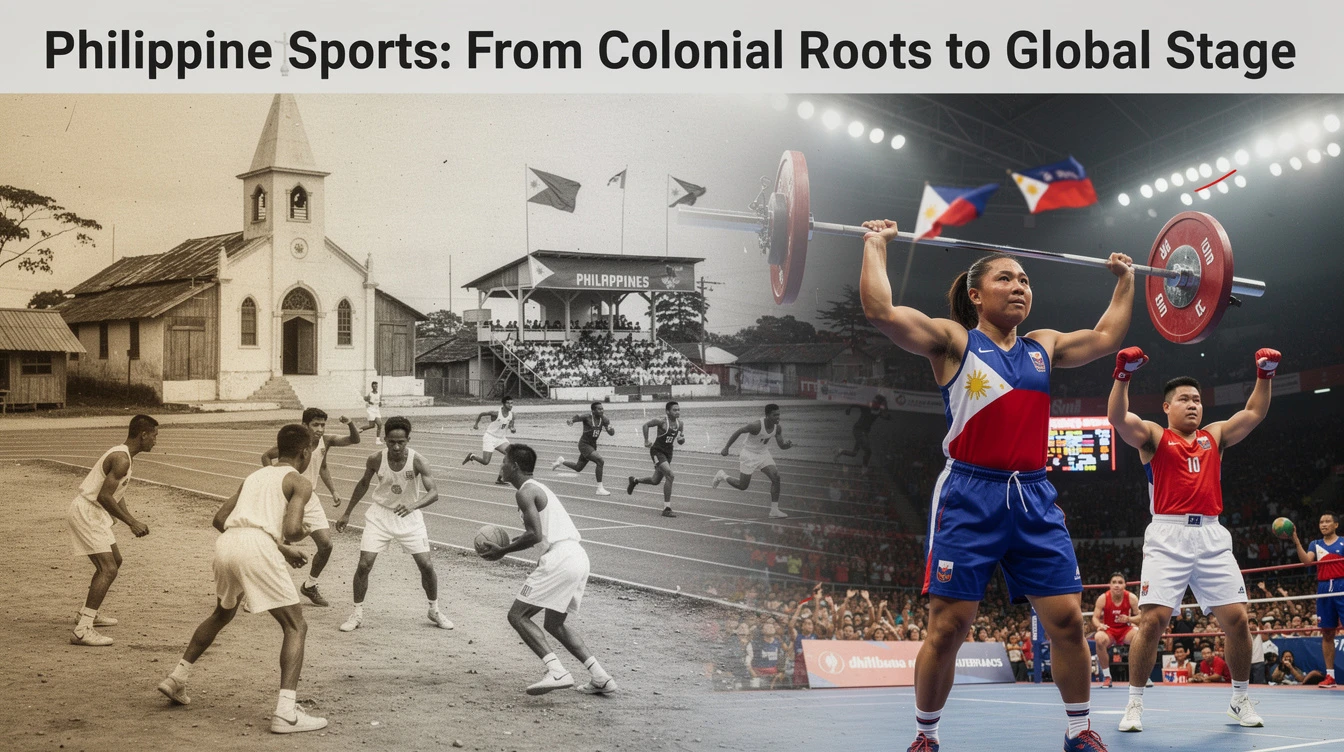
In a country where approximately 90 percent of households have at least one basketball hoop, and where boxing legends have become national icons, sports occupy a singular place in Filipino life. The Philippines, an archipelago of more than 7,000 islands, has woven athletics into its cultural fabric for centuries, transforming games brought by colonial powers into deeply local passions and producing athletes who compete at the highest levels of international competition.
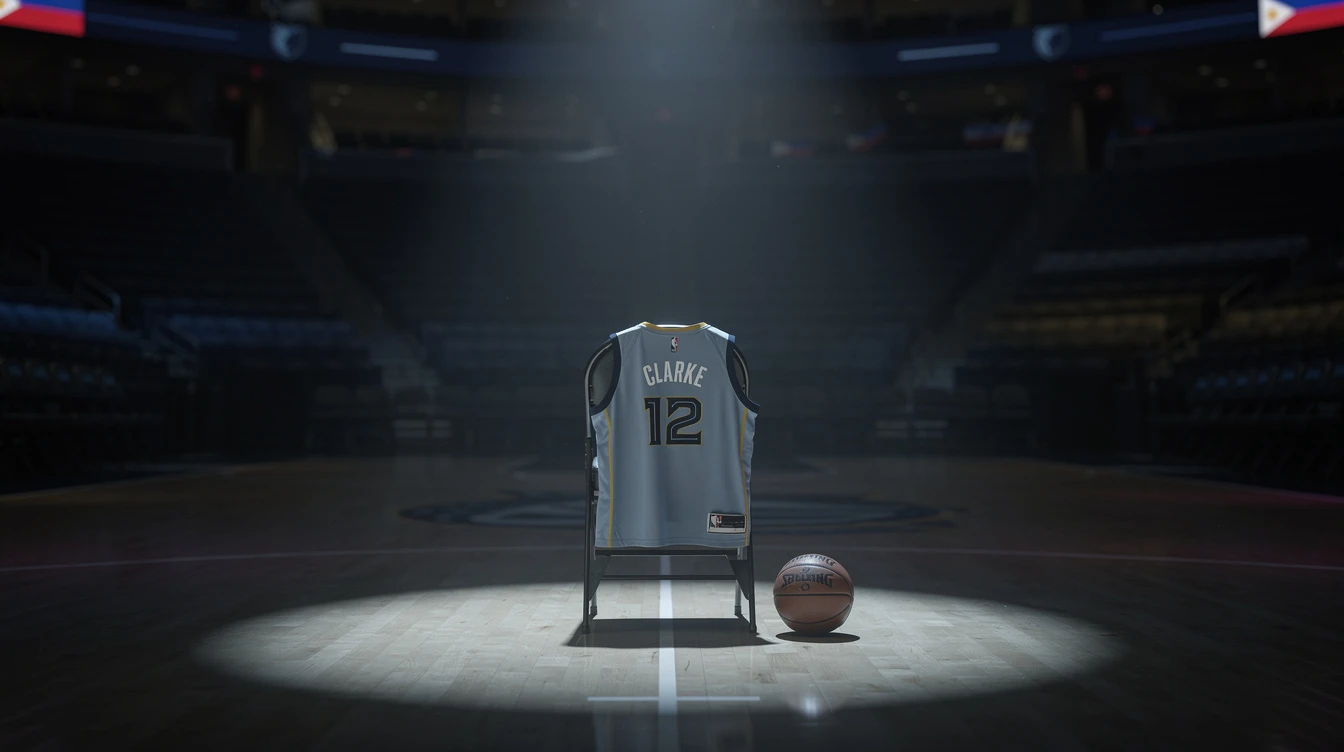
The Philippine national basketball team, known as Gilas Pilipinas, achieved its most significant result in decades by reaching the semifinals of the 2023 FIBA World Cup, ultimately finishing eighth among the world's best teams. That achievement, coming against nations with far greater resources, underscored both the promise and the persistent challenges facing sports development in the Philippines.
A Sporting Heritage Spanning Centuries
Sports have been part of Filipino society since pre-colonial times, when indigenous games tested the agility, strength, and tactical thinking of community members. Sipa, a kickball game requiring remarkable foot coordination, served as both recreation and skill development. Arnis, the martial art involving wooden sticks, trained warriors for combat while instilling discipline and honor. Sepak takraw, a precursor to volleyball played primarily with feet and head, demanded the kind of acrobatic ability that still captivates audiences today.
When American forces arrived in 1898 and established colonial rule that would last nearly five decades, they brought new athletic traditions that would permanently reshape Philippine sporting culture. Basketball, baseball, and track and field arrived with American soldiers and educators, who introduced these games through schools and military installations. Unlike some colonial imports that faced resistance, basketball in particular found immediate and lasting acceptance among Filipinos.
The sport's popularity stemmed from practical considerations. Basketball required minimal equipment—a single hoop, a ball, and a flat surface—making it accessible across economic classes. The game's fast pace and constant action suited the Filipino temperament and climate. Perhaps most importantly, basketball's five-on-five team format mirrored the communal values deeply embedded in Philippine society, where family and community bonds take precedence over individual achievement.
Basketball: The National Game
Today, basketball stands unchallenged as the dominant sport in the Philippines, a position it has held for more than a century. The sport permeates daily life in ways that reveal its cultural significance. Hoops adorn village courts, schoolyards, and even makeshift installations in urban slums where children improvise backboards from salvaged materials. In provincial towns, weekend games draw spectators who treat local matchups with the intensity typically reserved for professional championships.
The establishment of the Philippine Basketball Association in 1975 marked a watershed moment, creating Asia's first professional basketball league and setting a template that would be copied across the region. The PBA has endured as one of the world's oldest continuously operating professional leagues, surviving economic crises, administrative controversies, and competition from other leagues to remain the pinnacle of domestic basketball.
The league has served as a proving ground for Filipino talent, producing players who have gone on to compete internationally. Several PBA veterans have signed contracts with National Basketball Association teams, though none have yet secured consistent roles in the world's premier league. The women's game has similarly developed through the Women's National Basketball League, while the Maharlika Pilipinas Basketball League has created additional opportunities for aspiring professional players.
At the national team level, Gilas Pilipinas represents the culmination of basketball development efforts. The program has enjoyed notable successes, including memorable victories in regional competitions, but also faced frustrating setbacks against regional powerhouses like China, Australia, and South Korea. The 2023 World Cup performance, however, represented a breakthrough, with the team defeating established powers and demonstrating that Filipino basketball could compete with the world's elite when players received proper preparation and strategic guidance.
The Philippines has previously hosted major international basketball events, including the FIBA World Cup in 1978 and again in 2018, drawing capacity crowds and showcasing the nation's passionate fan base to a global audience.
Boxing: Where Heroes Are Made
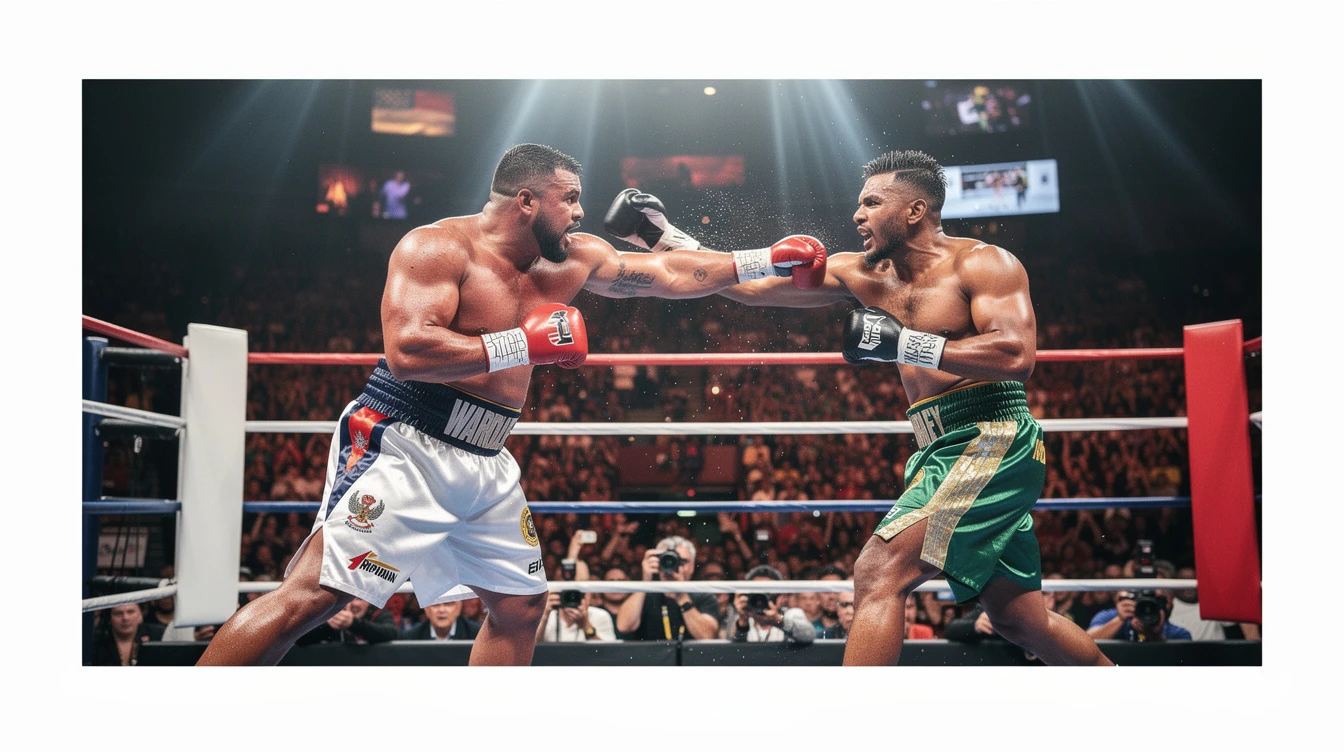
If basketball represents the national sport, boxing holds a special place as the arena where Filipino athletes have achieved genuine global dominance. The ring has served as a stage for some of the most celebrated athletic accomplishments in Philippine history, producing world champions across multiple weight divisions.
Manny Pacquiao emerged as the most transformational figure in Philippine boxing history, ascending from poverty in the southern Philippines to become an eight-division world champion. His victories over American fighters in high-profile bouts captivated the entire nation, with businesses closing and streets emptying during championship fights. Pacquiao became so universally recognized that he leveraged his sporting fame into a political career, serving as a senator and even mounting a presidential campaign.
The Pacquiao era elevated boxing's profile and demonstrated the pathways that professional boxing could provide for young Filipinos willing to dedicate themselves to rigorous training. Local promotions continued operating even during periods when Pacquiao was not fighting, maintaining a pipeline of talent and keeping fans engaged with the sport. Boxing gyms across the country continue to attract young people seeking the combination of discipline, physical development, and opportunity that the sport offers.
Governing the Games
The Philippine Sports Commission serves as the primary government agency responsible for sports development, established through Republic Act 9702 in 2009 to coordinate national athletic policy and provide support for athletes representing the country in international competition. The commission allocates funding, manages training facilities, and coordinates with national sports associations that govern individual disciplines.
Separately, the Philippine Olympic Committee represents the country in the International Olympic Committee structure and manages the nation's participation in the Summer and Winter Games. The relationship between these organizations has sometimes proven contentious, with disputes over funding and authority occasionally disrupting athlete preparation for major competitions. Nevertheless, both bodies share the fundamental goal of developing Filipino athletic talent and achieving success on the world stage.
The government has increasingly recognized sports as both a tool for national pride and a legitimate path to success, allocating resources to programs that identify promising young athletes and provide them with coaching, facilities, and competitive opportunities. Yet persistent challenges remain, including inadequate infrastructure in many regions, limited professional opportunities outside basketball and boxing, and the difficulty of balancing athletic development with educational priorities in a society that often views academic credentials as more reliable pathways to success.
The Road Ahead
Philippine sports stand at an inflection point. The recent achievements of Gilas Pilipinas have renewed optimism about the nation's basketball prospects, while ongoing investments in training facilities and youth development programs suggest a long-term commitment to athletic excellence. Boxing continues to produce talented fighters, and other sports, including weightlifting and gymnastics, have occasionally produced athletes capable of competing at elite levels.
The challenge remains translating enthusiasm for sports into systematic development that produces consistent results across multiple disciplines. With its passionate fan base, rich sporting heritage, and demonstrated ability to produce world-class athletes, the Philippines possesses the foundational elements necessary for athletic achievement. What remains is the sustained institutional commitment and strategic investment required to transform that potential into routine international success.
For now, basketball courts across the archipelago will continue to fill with young players honing their skills, and boxing gyms will maintain their steady stream of aspirants seeking glory in the ring. In Philippine society, sports remain something more than mere recreation or entertainment—they represent hope, possibility, and a pathway to something greater, made tangible through the sweat and determination of athletes pursuing excellence.