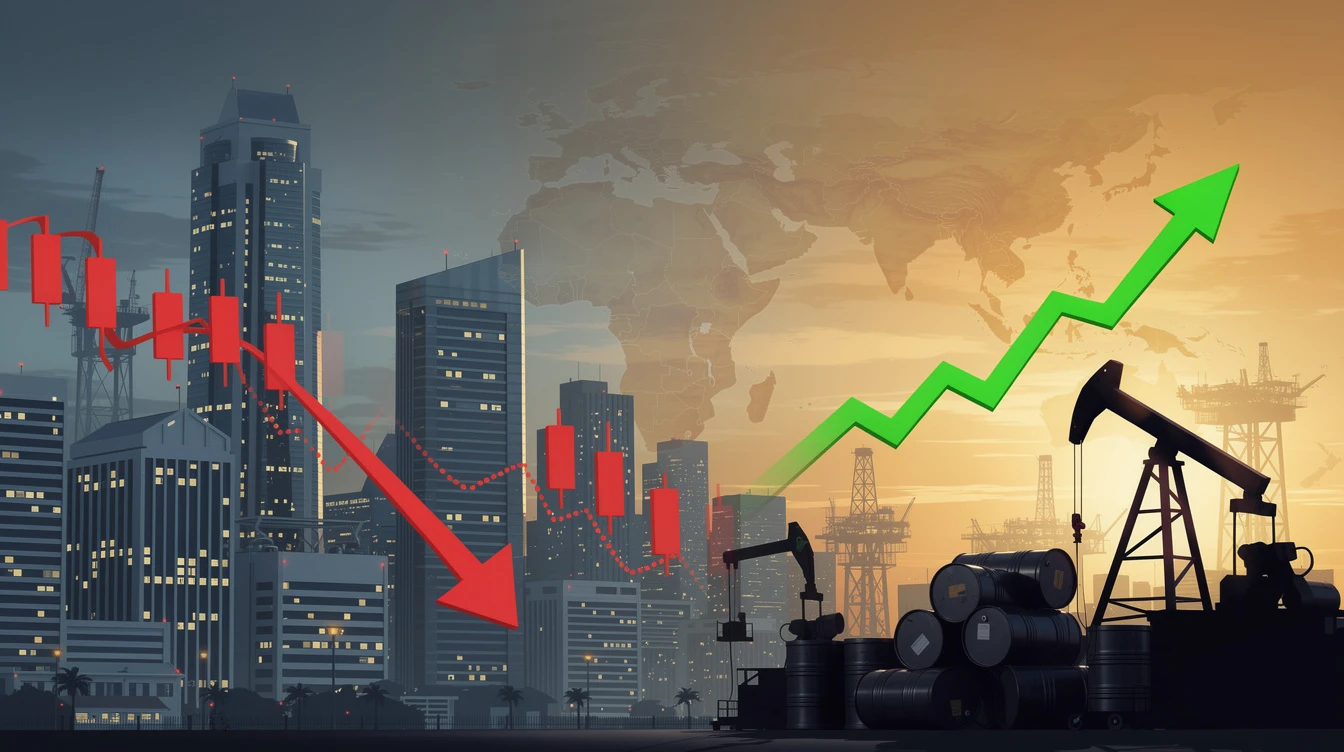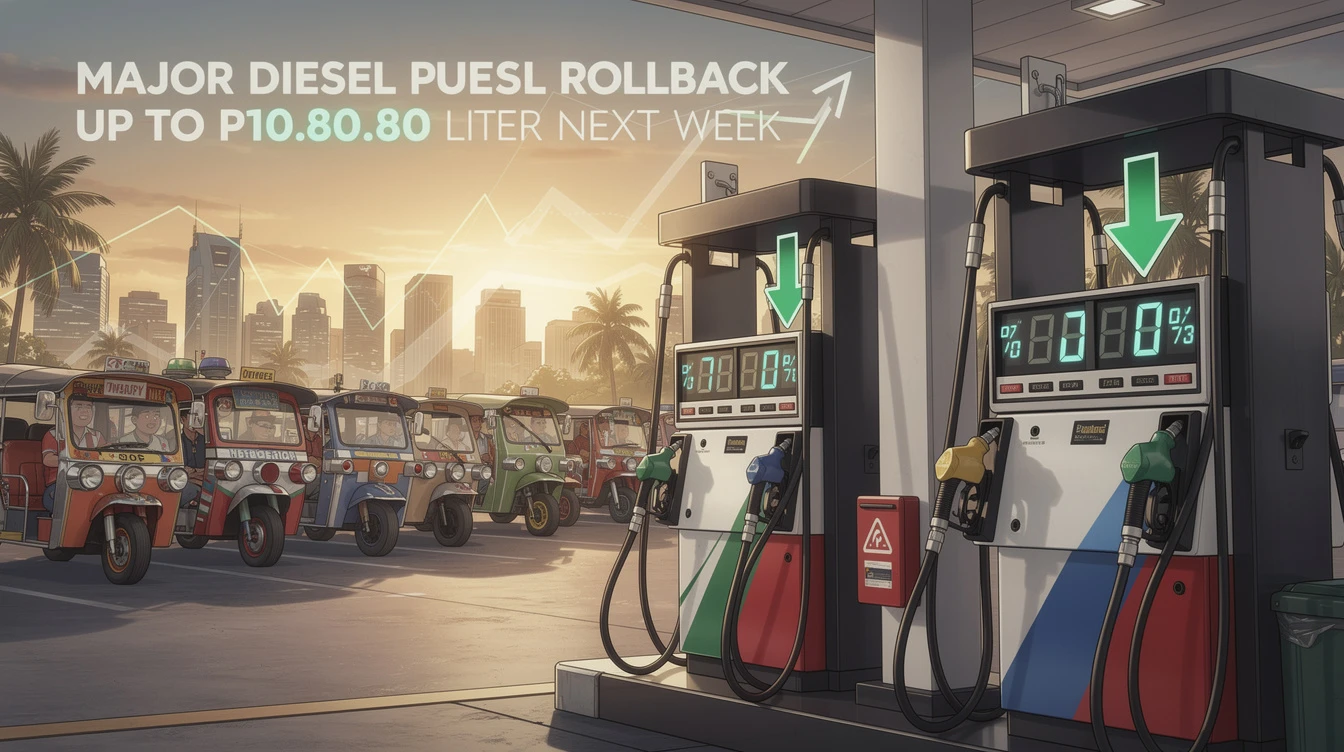
MANILA, Philippines – Diesel prices in the Philippines could see a reduction of up to P10.80 per liter next week, driven by ongoing peace negotiations between the United States and Iran, according to industry sources.
The projected diesel price rollback ranges from P8.80 to P10.80 per liter, a significant relief for Filipino consumers and transport groups grappling with high fuel costs. Gasoline prices, meanwhile, may see no adjustment or could drop by up to P3 per liter, per reports from Cebu Daily News.
Diesel
The expected reduction stems from optimism in global markets over the US-Iran talks, which could ease crude oil supply tensions. The Department of Energy has yet to confirm the exact figures, but oil companies typically adjust prices every Tuesday.
This would mark the biggest single-week diesel price cut in months, offering respite to jeepney drivers, truck operators, and commuters. For more insights on fuel trends, see Philippine Business.
As of March 2025, diesel prices in Metro Manila average around P55 per liter, so a P10.80 rollback would bring it closer to P44 per liter. This directly impacts transportation costs, which account for a significant portion of household expenses.
Price
The P10.80 per liter reduction is linked to a drop in global benchmark crude prices, now below $70 per barrel. Analysts cite easing geopolitical risks in the Middle East as a key factor, per a report from the Manila Standard.
For Filipino overseas workers and families, lower diesel costs could mean cheaper goods and fares. The transport sector, which relies heavily on diesel, stands to gain the most from this development.
The Philippine government has urged oil firms to implement the rollback promptly. The Department of Energy monitors price movements weekly, and consumers can check updates via official channels.
Historical data shows that diesel prices in the Philippines have been volatile, with sharp hikes earlier in 2025 due to refinery outages. This rollback is a welcome reversal for budget-conscious Filipinos.
Small business owners, especially those in logistics, see this as a chance to reduce operating costs. A jeepney driver in Quezon City told reporters that a P10.80 per liter drop could save him about P1,000 per week.
Meanwhile, global oil markets remain sensitive to the US-Iran negotiations, which could lead to further reductions if a deal is reached. For updates, check World News.
Filipino consumers should watch for official announcements from oil firms like Shell, Petron, and Caltex, which typically set new prices on Tuesday mornings. The rollback is expected to take effect by Tuesday next week.
The ripple effects of this price cut could influence inflation rates, as lower transport costs often lead to reduced prices of goods. The Bangko Sentral ng Pilipinas may factor this into its next monetary policy review.
In the Philippines, diesel is the primary fuel for public utility vehicles, including buses and jeepneys, making this rollback critical for daily commuters. The government expects this to ease the burden on the working class.
However, experts caution that the rollback may be temporary, depending on the outcome of US-Iran talks. If negotiations stall, prices could rebound, so consumers should plan their fuel purchases wisely.
For more on how this affects local politics, see Philippine Politics. The Department of Energy is expected to release a statement soon.
In the tech sector, apps tracking fuel prices have seen a surge in downloads as Filipinos prepare for the rollback. This digital shift reflects growing consumer awareness of fuel cost management.
Rollback
The environmental impact of lower fuel prices could lead to increased consumption, but the immediate economic relief outweighs concerns for most Filipinos. The government promotes energy efficiency alongside such reductions.
To sum up: the diesel price rollback next week, ranging from P8.80 to P10.80 per liter, offers a tangible benefit for Filipino households, transport workers, and businesses, underscoring the Philippines' vulnerability to global oil price dynamics.