Meralco Backs Tighter Regulations on Rooftop Solar Installations
Manila Electric Co. (Meralco) is pushing for stricter enforcement of rules governing rooftop solar installations, targeting unregistered or "guerrilla" setups that it says pose safety risks to the grid and consumers. The company made the call as solar adoption accelerates across the Philippines, with thousands of households and businesses installing panels without proper permits or technical oversight.
Speaking at a recent Senate hearing, Meralco Vice President and Head of Utility Economics Lawrence Fernandez backed legislative efforts to streamline the net metering program while tightening standards. He warned that unregistered installations, which Meralco estimates at around 370 megawatts of capacity, could lead to electrical hazards and grid instability.
"We support the version of Sen. Gatchalian on the amendment of the RE Act to streamline the net metering program, to give the ERC the authority to determine the scope of the net metering program, also to streamline the process for permitting," Fernandez said.
What Are 'Guerrilla' Solar Installations?
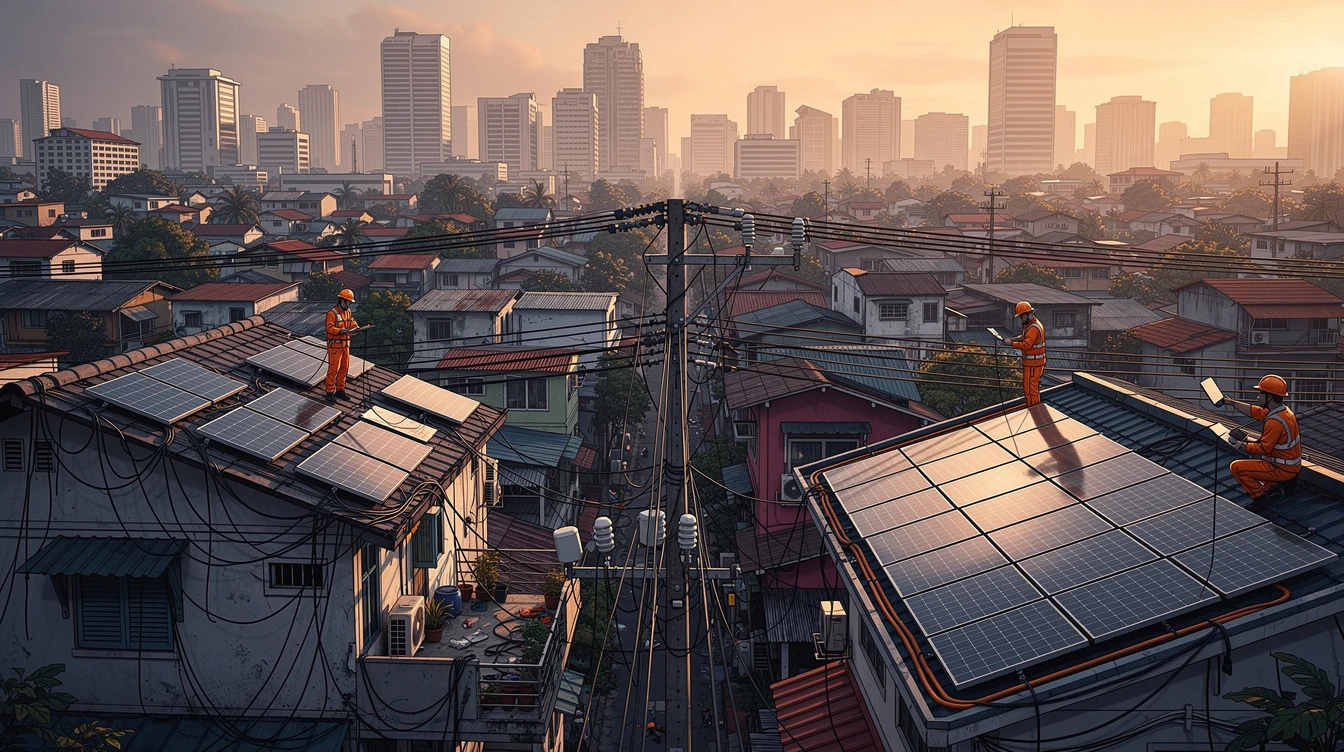
"Guerrilla" solar installations refer to rooftop solar panel systems that are installed without registration with the distribution utility or approval from the Energy Regulatory Commission (ERC). These setups operate outside the official net metering program, which allows consumers to generate their own electricity and sell excess power back to the grid.
Under current rules, all grid-connected solar installations must be registered and inspected to ensure they meet technical standards. However, many consumers bypass the process, either due to lack of awareness or to avoid permitting fees and delays. Meralco says these unregistered systems can overload distribution lines, cause power quality issues, and endanger utility workers during maintenance.
Meralco Seeks Technical Standards for Solar Equipment
Fernandez urged the Department of Energy (DOE) and the Department of Trade and Industry (DTI) to formalize technical standards for solar hardware, including inverters, panels, and wiring. He said such standards would help utilities assess applications more efficiently and ensure that equipment used in installations meets safety and performance benchmarks.
"We call on the DOE and DTI to establish clear technical standards for rooftop solar equipment," Fernandez said at the hearing. Without these standards, utilities are forced to rely on manufacturer specifications, which can vary widely and may not align with local grid conditions.
Net Metering Program Under Review
The push for stricter regulations comes as Congress considers amendments to the Renewable Energy Act of 2008, which governs the net metering program. Senator Sherwin Gatchalian has filed a bill seeking to streamline the program by giving the ERC authority to redefine its scope, simplify permitting processes, and address bottlenecks that have slowed solar adoption.
Meralco supports these amendments, saying a clearer legal framework will encourage more consumers to register their solar installations and participate in the net metering program legitimately. Currently, the program caps net metering participants at 100 kilowatts per connection, a limit that some industry players say is too low for commercial installations.
Safety Concerns Drive Regulatory Push
Meralco's Fernandez cited safety as the primary reason for the crackdown. Unregistered solar systems, he said, often lack proper disconnect switches or protective devices, increasing the risk of electrical fires and electrocution. They can also feed power back into the grid during outages, posing a danger to line workers repairing downed wires.
"Safety remains our top priority," Fernandez said. "We want to ensure that every solar installation is safe for the owner, the community, and our personnel."
The utility has also reported cases where unregistered solar panels caused voltage fluctuations that damaged appliances in neighboring homes.
Industry Response and Consumer Impact
Solar industry groups have expressed mixed reactions to Meralco's proposal. Some say stricter rules could deter consumers from adopting solar energy, especially those in low-income households who may find compliance costs prohibitive. Others argue that clear standards and streamlined permitting would actually boost consumer confidence and reduce illegal installations.
Consumer advocacy groups have called for a balanced approach, urging regulators to ensure that new rules do not create unnecessary barriers for legitimate solar adopters. They note that the Philippines has one of the highest electricity rates in Southeast Asia, making solar an attractive option for households seeking to lower their bills.
Meralco Estimates 370 MW of Unregistered Solar
Meralco estimates that unregistered rooftop solar installations in its franchise area now total approximately 370 megawatts of capacity. This figure represents a significant portion of the country's total rooftop solar capacity, which the DOE estimates at over 1.5 gigawatts as of late 2025.
The utility is calling for a registration drive that would require all existing unregistered solar systems to be inspected and brought into compliance. Fernandez said Meralco is willing to work with homeowners and installers to facilitate the process.
Looking Ahead
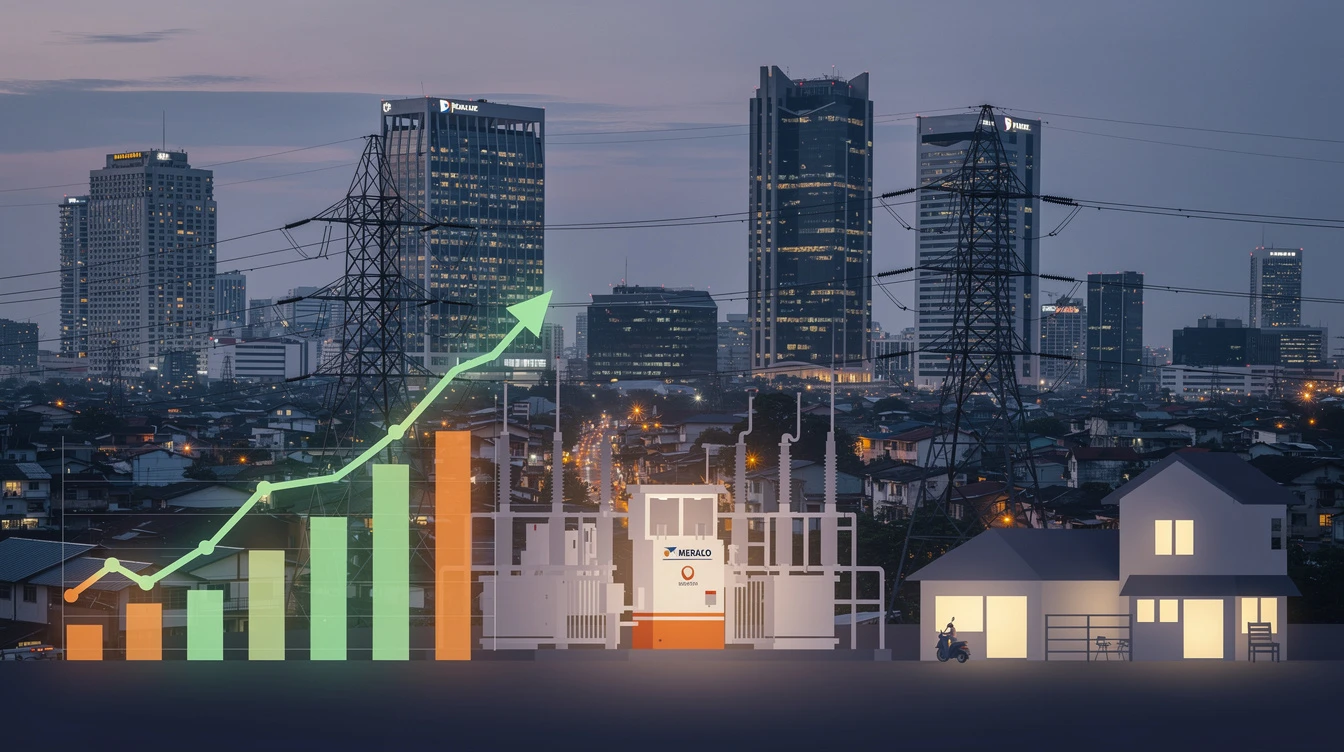
The ERC is expected to issue new guidelines on net metering and solar installation rules within the next six months. Meralco has pledged to support the regulatory process and to help educate consumers on proper installation procedures. The company is also investing in grid upgrades to accommodate rising solar penetration.
As the Philippines pursues its renewable energy targets, the debate over solar regulation will likely intensify, with stakeholders seeking a balance between safety, affordability, and clean energy goals.