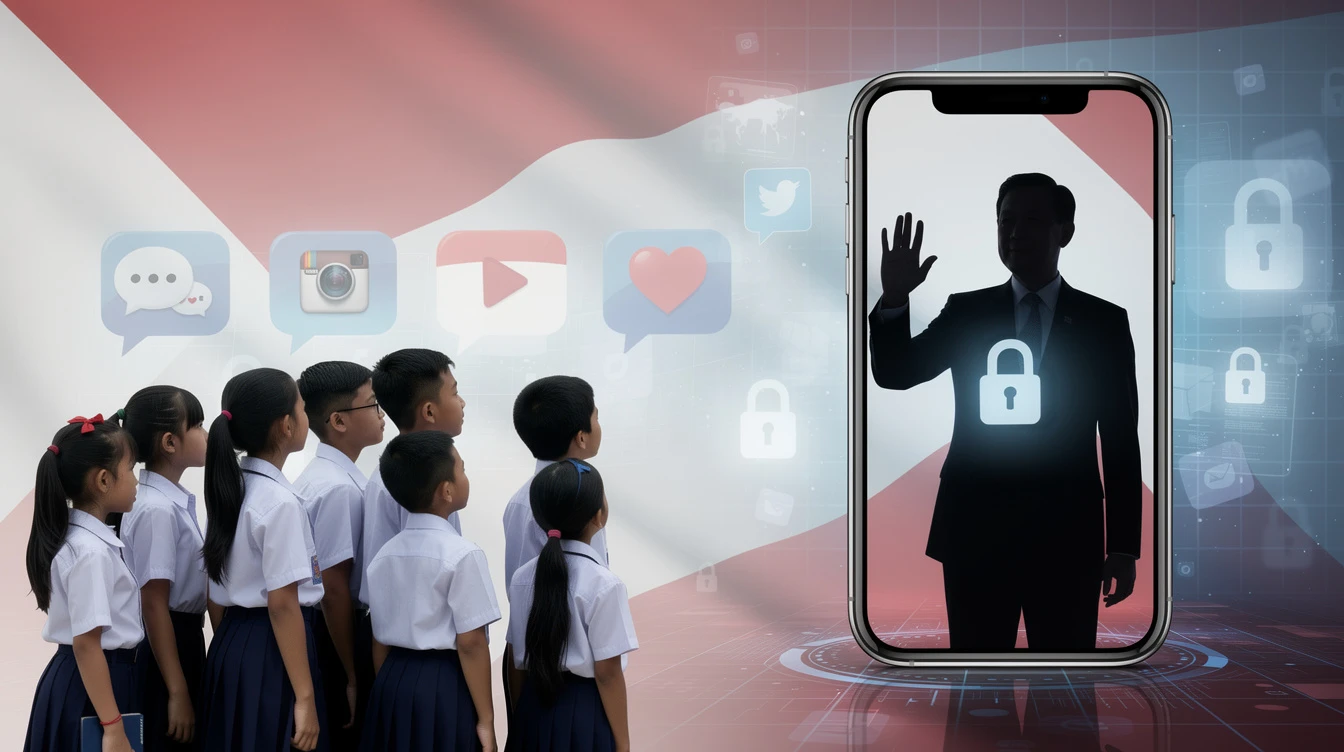
Indonesia on Saturday began enforcing restrictions that bar children under 16 from accessing social media platforms, becoming the first Southeast Asian nation to adopt sweeping nationwide curbs aimed at protecting minors from online harms.
Indonesia Sets Global Precedent with Landmark Digital Policy
Which Platforms Are Complying
Communication and Digital Affairs Minister Meutya Hafid announced that several major platforms have already moved to comply with the new rules as of late March 27. X has committed to start identifying and deactivating accounts owned by minors from March 28. Bigo Live, TikTok, and Roblox have also made or announced changes to their services to meet the new requirements.
Global Context for Digital Age Restrictions
The regulation approved earlier this month follows Australia's landmark policy, which took effect in December 2025. Australia requires social media platforms to keep users under 16 off their platforms or face fines of up to A$49.5 million (S$44 million). Indonesia's move marks the first non-Western country to restrict digital access for children in this manner.
Government Targets Online Threats to Children
What the Policy Aims to Prevent
The new regulation seeks to shield minors from exposure to harmful content, including:
- Pornography and explicit material
- Cyberbullying and harassment
- Online scams and fraud
- Digital addiction and excessive screen time
"The spirit is good, but we still need to see how it will be implemented," said Mr Ricardo, acknowledging both the potential benefits and uncertainties surrounding enforcement.
Platform-Specific Compliance Measures
Roblox has informed the Indonesian government of its plans to introduce an offline mode for users under age 13. This feature would allow younger children to access certain game content without full internet connectivity, reducing exposure to online interactions with strangers. TikTok and other platforms continue to adjust their systems to meet the compliance deadline.
Challenges and Criticisms Emerge
Implementation Bottlenecks Expected
Haryana, a policy analyst following the developments, predicted significant short-term disruptions once the ban takes effect. "The effects of restricting access to social media and digital platforms to children under 16 will only be seen once the measure is in place," she said. Haryana anticipated both complaints from children and confusion among parents navigating the new requirements.
Tech Industry Concerns About Unintended Consequences
Google has argued that an age-related ban could paradoxically make children less safe online. The tech giant contends that without accounts, children would use platforms like YouTube without parental controls and safety filters designed to protect them. This criticism highlights the ongoing tension between blanket bans and nuanced approaches to child digital safety.
Looking Ahead: Impact on Indonesia's Digital Future
Long-term Effects Remain to Be Seen
While officials maintain that tighter controls will benefit children's mental health and development, questions persist about how effectively the ban will be enforced across Indonesia's vast archipelago of more than 17,000 islands. Digital literacy varies widely across regions, potentially complicating consistent implementation.
Model for Other Developing Nations
If successful, Indonesia's policy could inspire similar measures across Southeast Asia and beyond. The country joins a small but growing group of nations prioritizing children's digital wellbeing through regulatory intervention rather than relying solely on platform-based safeguards.