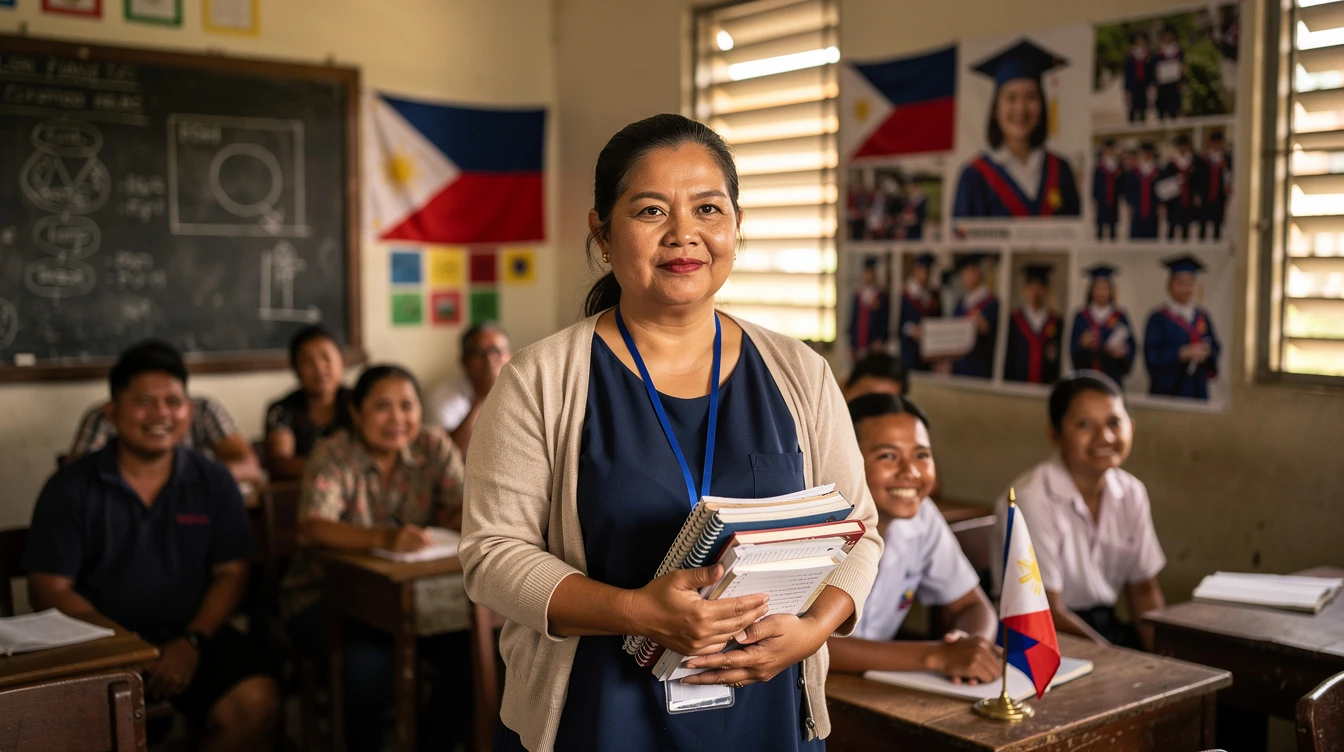
Marissa Fajardo , an Alternative Learning System (ALS) teacher , shared her inspiring journey on i-Listen with Kara David , airing on GMA Public Affairs last March 4, 2026. She never imagined her calling would lead her to ALS classrooms, but now calls it her destiny.
Fajardo admitted to experiencing moments of exhaustion throughout her years as an educator. Teaching outside traditional classrooms—often in community centers, barangay halls, or makeshift shelters—takes its toll.
i-Listen
Despite the physical and emotional fatigue, she pushes forward, driven by a purpose deeper than any paycheck.
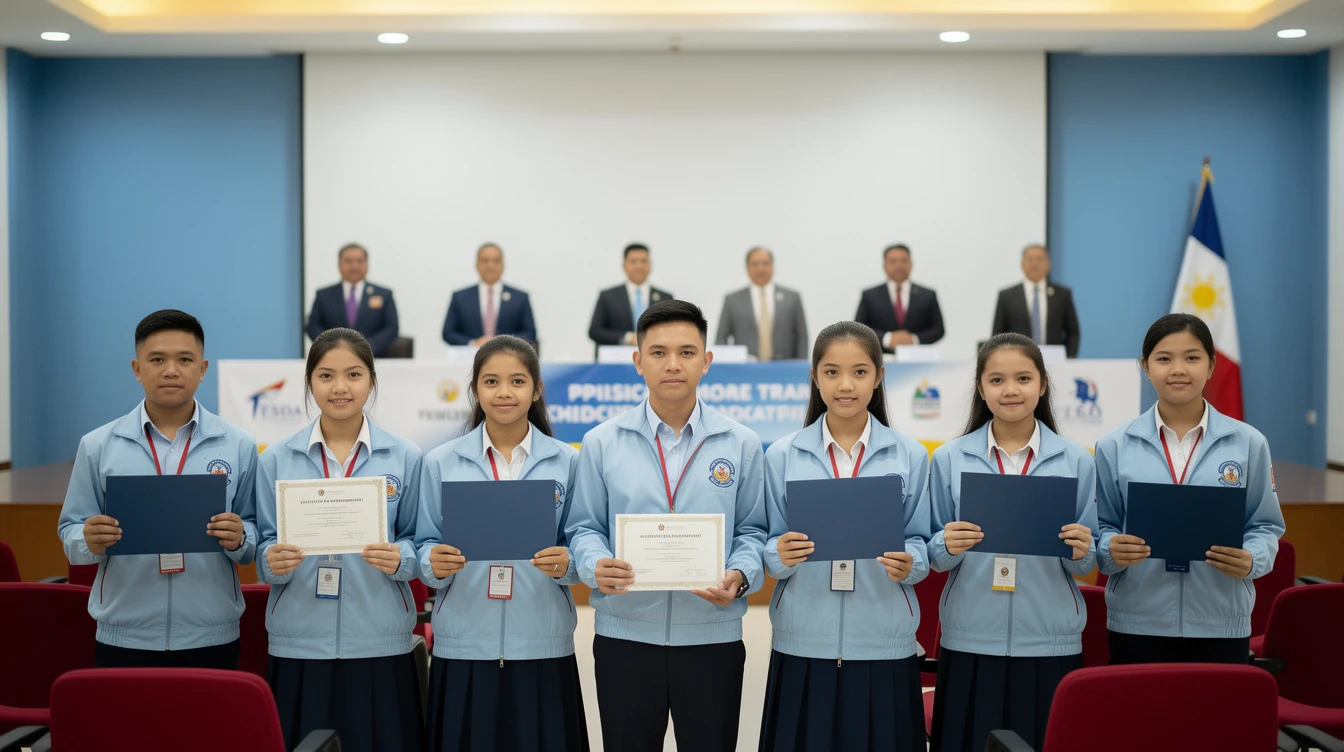
"Gusto ko talagang makakita ng mga estudyanteng umuuwi na may graduation na," Fajardo expressed. The joy when her learners don graduation robes is something she describes as beyond payment.
Among her diverse students is a remarkable 75-year-old learner who returned to school—not for himself, but to inspire his own grandchildren. This extraordinary story, highlighted by World Vision, exemplifies Fajardo's transformative approach.
David:
The philosophy driving her work echoes the core principle of ALS: "Sa edukasyon, walang dapat maiiwan kahit ano pa ang kalagayan." ALS teachers serve as beacons of hope for those forced to leave school early.
Fajardo faces systemic challenges—limited resources, remote teaching areas, and the emotional weight of guiding learners through years of missed education. The journey from alphabet basics to high school equivalency is long.
"Destiny" is how she describes her role. This word carries weight from someone who has witnessed countless learners—young parents balancing childcare with studies, OFW families seeking education upon return, and elderly citizens refusing to give up.
Teacher
The feature on i-Listen brings much-needed attention to ALS teachers, whose contributions often go unnoticed. While public school teachers receive recognition, ALS educators work in relative obscurity, funded through partnerships with World Vision and the Department of Education.
Fajardo's story reminds us that education reform begins in the hearts of teachers willing to meet learners where they are. As the feature reaches Filipino households, educators hope it sparks greater support for the Alternative Learning System.