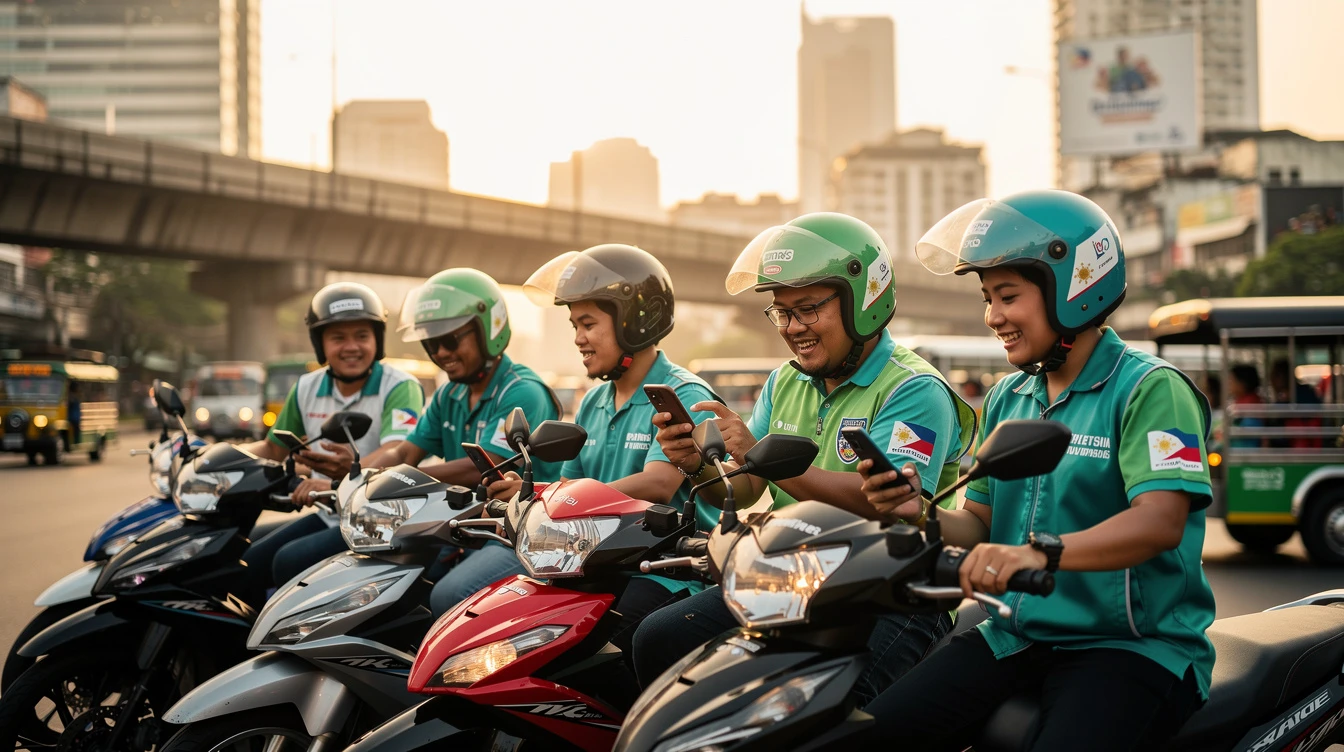
The Government Service Insurance System (GSIS) has credited approximately P7.3 billion in loan amortization refunds to more than 500,000 members and pensioners, according to an official announcement. The massive disbursement under the \"Balik Ginhawa\" program provides direct financial relief to hundreds of thousands of Filipino government workers and retirees across the nation.
This one-time lump-sum credit, equivalent to up to three months of loan amortizations, is a significant cash infusion for beneficiaries. The program specifically covers eligible loan payments for December 2025, January 2026, and February 2026, per details from the GSIS.
The refund initiative is part of the state pension fund's ongoing efforts to support its members' financial well-being. It directly impacts the disposable income of public school teachers, nurses, police officers, and other government employees.
For many Filipino families, this unexpected refund acts as a substantial financial buffer. It can be used to cover daily expenses, medical bills, or educational costs for children, providing relief amid ongoing economic pressures.
The GSIS has not specified an exact disbursement date for all credits but confirmed the total amount has been allocated. Members are advised to check their GSIS electronic services (eGSIS) accounts or unified multipurpose identification (UMID) accounts for the credit.
Eligibility for the refund is automatic for members with qualified loans under the program. No application is required, streamlining the process and ensuring swift access to the funds for all entitled individuals.
This move by the GSIS follows similar past initiatives aimed at providing member benefits beyond standard pensions. It underscores the fund's role as a critical social safety net for the Philippine public sector.
The P7.3 billion injection into the economy is expected to have a multiplier effect. Increased consumer spending by beneficiaries could provide a modest boost to local businesses and the national economy.
Financial analysts view the program as a timely intervention. With inflation concerns persisting, the extra liquidity helps shield vulnerable pensioners and active members from rising costs of basic goods.
The scale of the program—affecting over half a million individuals—makes it one of the largest direct benefit transfers by a government financial institution this year. It highlights the GSIS's substantial membership base.
For overseas Filipino workers (OFWs) who are former government employees, the refund also applies if they maintain an active GSIS membership. They can access the credit through their online accounts or authorized channels.
The \"Balik Ginhawa\" program's name, which translates to \"return of comfort,\" reflects its intent. It is designed to alleviate the debt burden and improve the cash flow of members servicing GSIS loans.
Officials have reminded members that the refund is a credit, not necessarily a cash payout. It is applied to reduce the outstanding principal of the eligible loan, thereby shortening the loan term.
However, for members whose loans are fully paid after the credit, any excess amount will be released as cash. This provision ensures that all beneficiaries receive tangible financial value from the program.
The GSIS manages the pension and life insurance funds for all government employees. Its ability to return such a significant sum indicates robust fund management and a surplus available for member benefits.
This development is particularly crucial for pensioners living on fixed incomes. The refund can help them manage unforeseen expenses without resorting to high-interest loans from informal lenders.
The announcement has been met with positive reactions from public sector unions. They have long advocated for more responsive and supportive benefits from the GSIS for its members.
As the primary social insurer for the government workforce, the GSIS's actions are closely watched. This refund program sets a precedent for how the institution can deploy resources to aid members during challenging times.
The credit also serves as an indirect stimulus, putting money back into the hands of a large segment of the Filipino middle class and retired community. Its impact will be felt in households from Luzon to Mindanao.
For the average Filipino family with a GSIS member, this news brings welcome relief. It represents a direct contribution from the state to its servants, acknowledging their service and financial needs.
The significance of this P7.3 billion refund for Filipino readers cannot be overstated. It provides immediate, tangible financial assistance to a vast network of government employees and retirees who form the backbone of public service in the Philippines. This action reinforces the social contract between the state and its workers, offering crucial support in an uncertain economic climate and demonstrating the GSIS's capacity to deliver meaningful, direct benefits to its members.