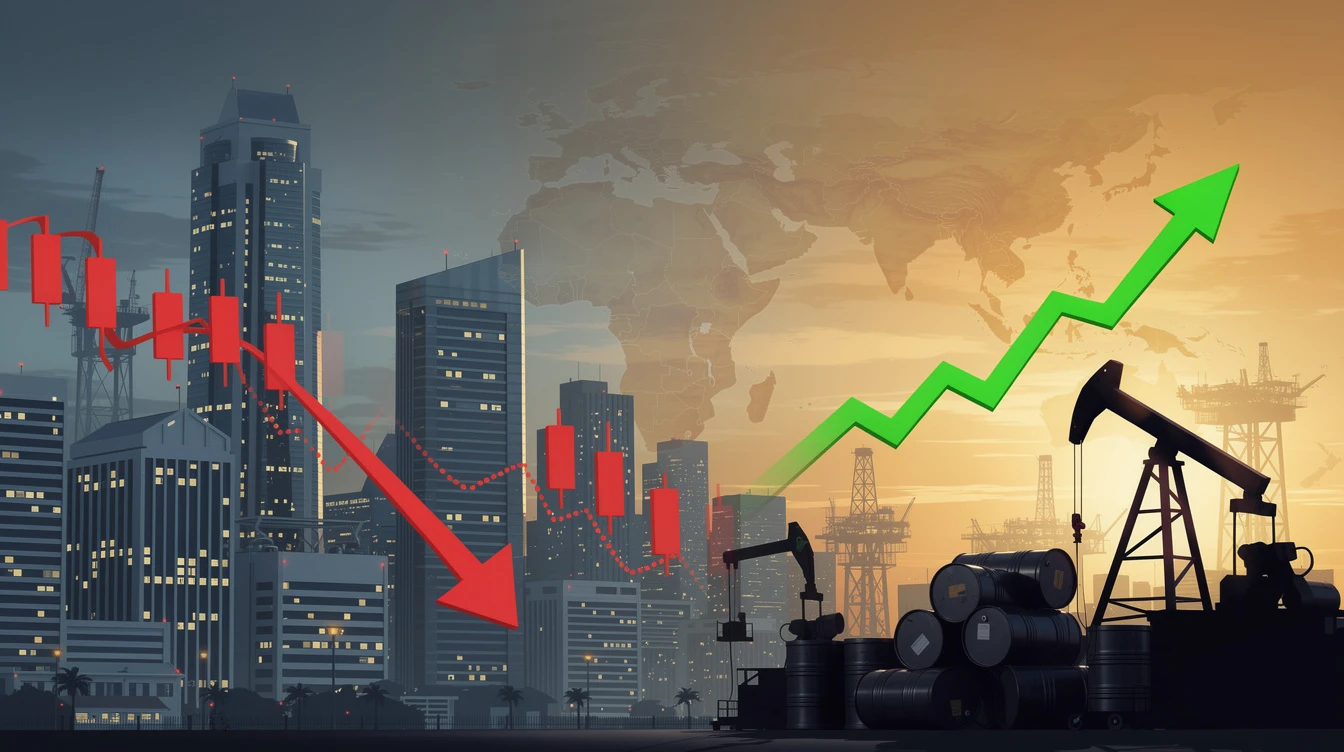
The Department of Energy (DoE) said on Friday that motorists can expect a fuel rollback next week after several weeks of price increases, as global oil markets show signs of easing.
DoE Secretary Sharon Garin announced the estimated price adjustments on April 13, based on the five-day average of international oil prices. The rollback is set to take effect on Tuesday, April 14, 2026, though final pump prices may vary among oil companies and gas stations.
Estimated Price Rollback Details
According to the DoE's initial estimate,diesel may go down by P20.89 per liter,gasoline by P4.43 per liter, and kerosene by P8.50 per liter. These figures represent the projected decline in pump prices for the April 14 to 20 trading period.
“The estimate is based on five-day average prices, with final pump adjustments varying among gas stations,” Garin said in a Facebook post cited by the Mindanao Times.
The DoE regularly issues advisories on fuel price movements every Friday, and oil companies typically implement the adjustments on Tuesday mornings.
Context: Recent Price Trends
The expected rollback comes after a period of price hikes. In the previous week, fuel retailers had slashed gasoline by P1.40 per liter, diesel by P1.80 per liter, and kerosene by P2.20 per liter, according to GMA Network. Before that, firms had implemented consecutive price increases for several weeks.
The price movements are driven by fluctuations in the global oil market, including changes in crude oil supply and demand, geopolitical developments, and currency exchange rates.
Global Oil Market Factors
The DoE attributed the anticipated rollback to easing global oil prices. The United States and other major economies have recently seen a slowdown in demand, while oil-producing countries have maintained or increased output, creating downward pressure on prices.
Industry analysts also noted that the Philippine peso’s performance against the US dollar affects local pump prices, since oil imports are priced in dollars. A stronger peso typically reduces the cost of imported fuel.
“The Department of Energy expects a fuel price rollback starting Tuesday, April 14, 2026, based on recent global oil trends,” Garin said.
Past Rollbacks and Hikes
On April 23, 2026, ABS-CBN News reported that another round of fuel rollbacks was possible the following week, citing similar global oil price declines. That report noted that diesel, gasoline, and kerosene prices were all expected to decrease.
Oil companies have been adjusting prices on a weekly basis, reflecting the volatile nature of the international oil market. The DoE monitors the Mean of Platts Singapore (MOPS) and other benchmarks to estimate local price changes.
Impact on Consumers and Businesses
A fuel rollback is welcome news for Filipino consumers, who have been grappling with rising transportation and goods costs. Public utility vehicle drivers, jeepney operators, and delivery services are particularly sensitive to fuel price changes.
The reduction in diesel and gasoline prices may help lower fares and freight charges, though the impact is not immediate. Businesses that rely on logistics and shipping could see some relief in operating expenses.
The DoE advises the public to monitor official announcements from oil companies for the exact pump prices.
Government Monitoring
The DoE continues to track global oil trends and coordinate with oil industry players to ensure transparency in pricing. Garin reminded consumers that price rollbacks are not uniform across all stations, as each oil company adjusts based on its own inventory and procurement costs.
“We urge the public to patronize gas stations that offer competitive prices and to report any unusual price movements to the DoE,” Garin said.
The Energy department also cautioned against hoarding or panic buying, saying the supply of fuel remains adequate.
Forward Outlook
Market analysts say the trend may continue in the coming weeks if global crude prices remain stable or decline further. However, risks remain — including potential supply disruptions in the Middle East or changes in OPEC production quotas.
The next DoE advisory is expected on Friday, April 17, to provide the estimate for the following week’s price adjustments.
For now, motorists can look forward to lower prices at the pump starting Tuesday, subject to the final figures posted by oil companies.