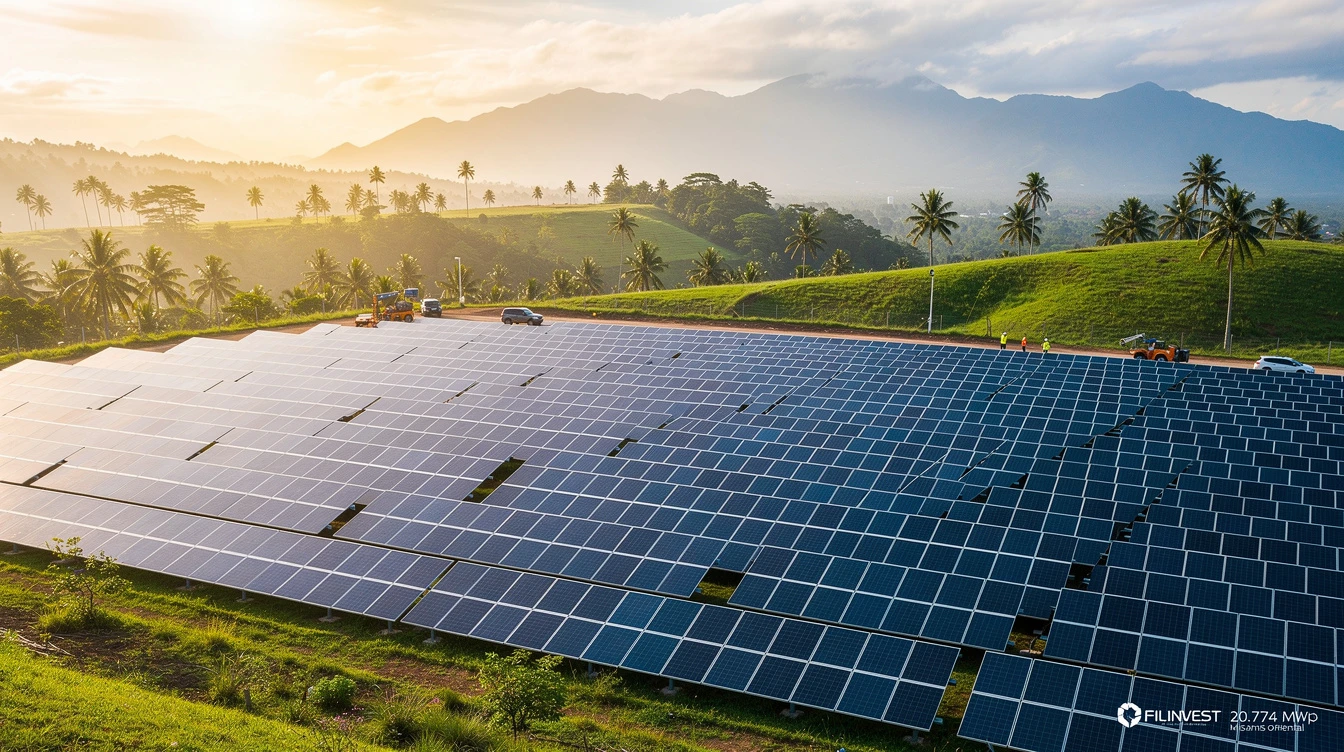
The Energy Regulatory Commission (ERC) has granted approval to Filinvest’s FDC Green Energy Corp. for its 20.774-MWp solar power project in Tagoloan, Misamis Oriental , marking a major step in the Philippines’ renewable energy expansion. The facility is expected to generate 30.2 million kWh of clean electricity annually, supporting the Mindanao grid’s growing demand for sustainable power. For more context on national energy policy, see Philippine Politics.
FDC Green Energy Corp. president and CEO Juan Eugenio Roxas confirmed the ERC nod, stating that the project aligns with Filinvest’s commitment to a low-carbon future. The solar farm will be constructed on a 30-hectare site in Barangay Gango, Tagoloan, and is expected to commence commercial operations by early 2026 , according to company officials.
Filinvest’s
The ERC issued the certificate of compliance after reviewing the project’s technical and financial viability. Per a statement from the Department of Energy (DOE) , the approval supports the government’s goal of increasing the share of renewables in the power mix to 50 percent by 2040. The Philippines currently sources about 22 percent of its electricity from renewables, per DOE data.
Tagoloan Mayor Nene Yap welcomed the development, noting that the project will create roughly 200 construction jobs and 15 permanent positions once operational. Local officials estimate the facility will reduce the town’s dependence on coal-fired power, which accounts for 60 percent of Mindanao’s energy generation, as reported by the Mindanao Development Authority .
The solar project will use bifacial photovoltaic modules and single-axis trackers to maximize efficiency, according to FDC Green Energy’s project brief. The total investment is estimated at PHP 1.8 billion , with financing from BDO Unibank and the Development Bank of the Philippines . This marks Filinvest’s second large-scale solar venture after its 10-MW facility in Negros Occidental.
20.774-MWp
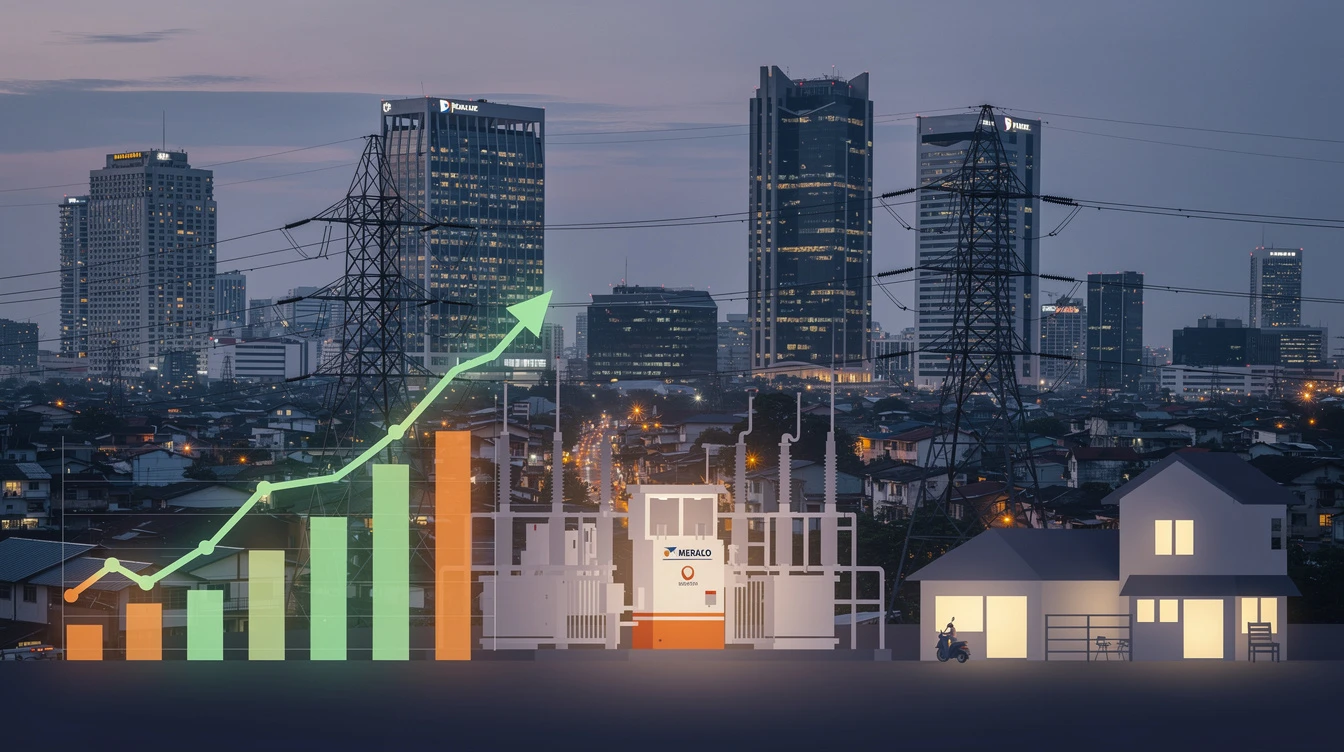
Mindanao currently faces an average power deficit of 300 MW during peak hours, according to the National Grid Corporation of the Philippines (NGCP). The new solar farm will help ease this gap, especially during dry months when hydropower plants typically underperform. Per an NGCP bulletin, the region’s peak demand has grown by 7 percent annually over the past three years.
Environmental groups like Greenpeace Philippines commended the ERC’s decision but urged faster permitting for other pending renewable projects. “Solar and wind projects totaling 4,000 MW are stuck in regulatory limbo,” said Greenpeace campaigner Roehlano Briones , citing a 2025 DOE study . He called for streamlined processes to hit the 2040 target.
The Filinvest project also aligns with the Renewable Portfolio Standards (RPS) mandate, which requires power distributors to source a percentage of their supply from renewables. Under the RPS, distribution utilities must secure 1 percent of their annual energy from new renewable capacity, according to the ERC’s 2024 Annual Report .
For Filipino consumers, the ERC approval means a more stable and greener power supply for Mindanao. The 30.2 million kWh generated annually by the project could power approximately 10,000 average Filipino homes each year, based on Philippine average consumption of about 250 kWh per month per household, as reported by the National Electrification Administration .
Filinvest’s move also reflects a broader corporate shift toward sustainability. The company’s parent, Filinvest Development Corp. , has committed to reducing its carbon footprint by 30 percent by 2030 under the Task Force on Climate-related Financial Disclosures framework. Roxas emphasized that the solar project will help the conglomerate meet its ESG goals while supporting national energy security.
Despite the positive news, energy experts warn of challenges. The Philippine Independent Power Producers Association notes that intermittent solar output requires complementary battery storage. FDC Green Energy has yet to announce plans for storage integration, but Roxas hinted at a 5-MWh battery system in the next phase, pending additional regulatory approvals.
The ERC’s approval comes amid a surge in solar applications nationwide. In 2025, the DOE received proposals for over 12,000 MW of new solar capacity, a 40 percent increase from the prior year, per its January 2026 report . However, only 15 percent of these projects have secured ERC clearance, highlighting the regulatory bottleneck.
Misamis
For overseas Filipino workers (OFWs) who send remittances to Mindanao, the project offers a brighter energy future. Lower electricity costs from renewable sources could ease household expenses, as power rates in Mindanao are currently PHP 9.50 per kWh , roughly 12 percent higher than the national average, according to the Energy Commission’s 2025 Residential Rate Survey .
The significance for Filipino readers is clear: the Filinvest solar project in Misamis Oriental represents a tangible step toward energy independence and sustainability for the Philippines. By adding 20.774 MWp of renewable capacity, the project not only supports Mindanao’s growing demand but also contributes to the national goal of reducing carbon emissions while providing economic benefits through job creation and potential long-term power cost savings. For continued coverage of renewable energy developments, visit Technology.