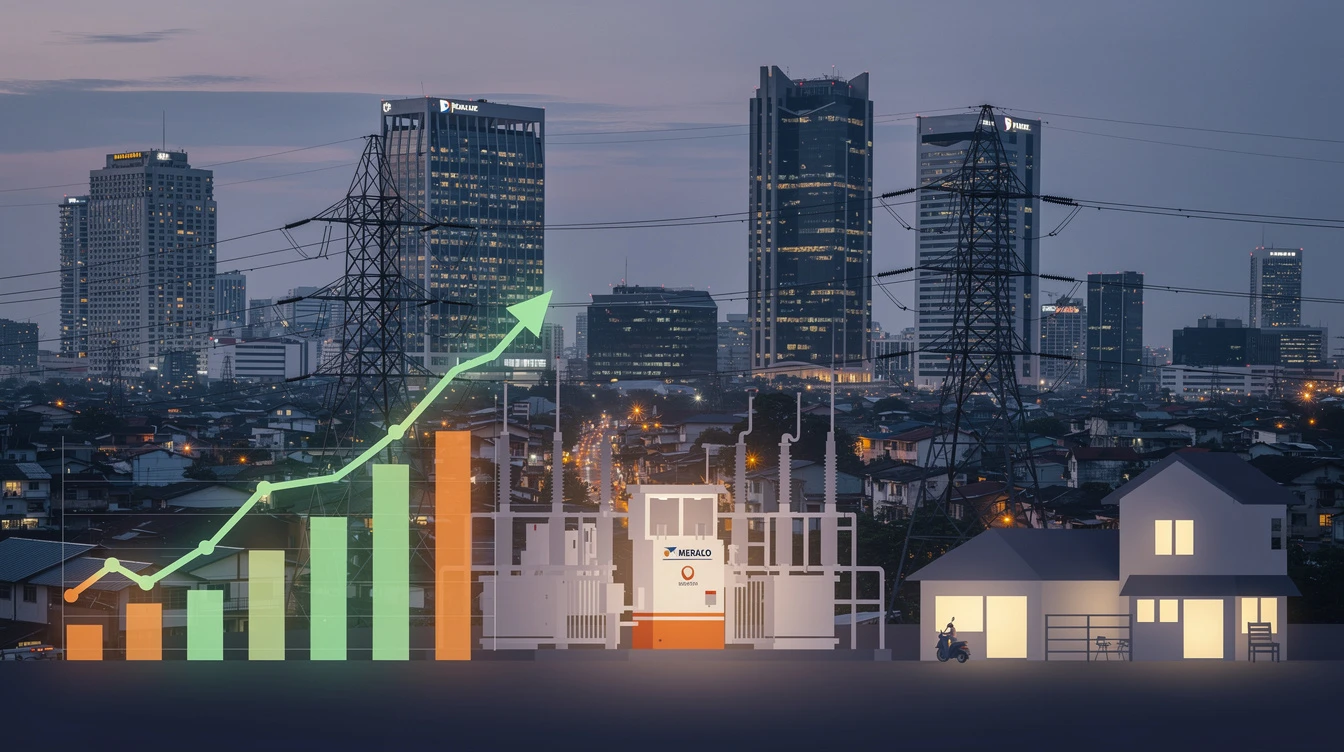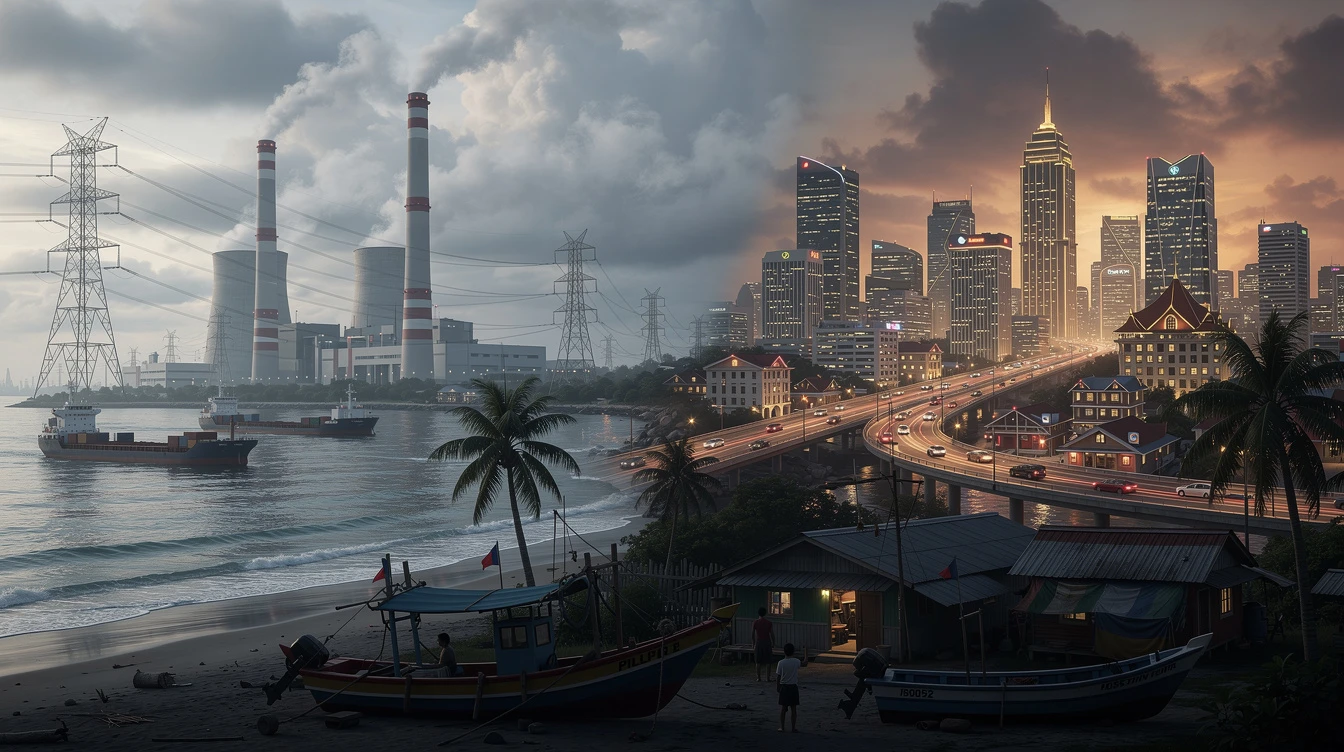
The Philippine government is studying whether to lift a ban on new coal-fired power plants, marking a significant shift in energy policy as the country seeks to secure stable electricity supply for key sectors including transportation, agriculture, and micro, small, and medium enterprises (MSMEs).
Background: The 2020 coal moratorium
In 2020, the Department of Energy (DOE) imposed a moratorium on new coal power projects. The ban was intended to cut carbon emissions and support the government's push toward renewable energy sources such as solar, wind, and hydropower.
The policy was part of the Philippines' commitment under the Paris Agreement to reduce greenhouse gas emissions by 75 percent by 2030. It also aligned with global trends away from coal, the most carbon-intensive fossil fuel.
Coal currently accounts for about 58 percent of the country's electricity generation, making it the dominant source of baseload power — the minimum electricity needed to keep the grid running at all times.
Why the government is reconsidering
Energy Secretary Sharon Garin said the review is a "whole-of-government response" to ensure energy supply stability. She emphasized that the potential lifting of the ban is not a permanent shift but a pragmatic policy aimed at meeting current demand.
"This pragmatic policy ensures that while the Philippines secures the affordable baseload power it needs to run the economy today, the industry can continue its transition," Garin said in a statement posted on social media.
The DOE said the review is driven by rising electricity demand from the transport sector, agriculture, and MSMEs, which have expanded faster than expected after the pandemic. Without new baseload capacity, the country risks power shortages as early as 2025, according to the National Grid Corporation of the Philippines.
Key sectors pushing for stable power
The transport sector is undergoing electrification, with the government encouraging the use of electric vehicles and modern jeepneys. Agriculture also requires reliable power for irrigation and post-harvest facilities. MSMEs, which account for 99.5 percent of all businesses in the Philippines, need affordable electricity to remain competitive.
Energy officials said the current renewable energy capacity — including solar, wind, and hydro — is intermittent and cannot yet provide the 24/7 baseload that coal plants offer. Battery storage systems are still too expensive for large-scale deployment in the country.
Conditions for new coal plants
If the ban is lifted, the DOE said it will require any new coal project to include a transition plan toward cleaner energy. This means plant operators must commit to eventually shifting to natural gas, biomass, or other lower-emission technologies.
The department is also considering imposing a carbon tax on coal-fired plants to fund renewable energy projects. The proceeds would be used to subsidize solar and wind installations, as well as grid upgrades to accommodate more intermittent power sources.
"We are not giving coal a free pass. Any new plant must have a clear timeline for transitioning to cleaner fuel or technology," Garin added.
Industry groups welcomed the review but stressed that new coal projects must adhere to strict environmental standards. The Philippine Chamber of Commerce and Industry said stable power is critical for manufacturing and exports.
Environmental concerns and opposition
Environmental groups have criticized the possible reversal of the coal ban. Greenpeace Philippines said lifting the moratorium would lock the country into decades of coal dependence, making it harder to meet climate targets.
The Philippines is among the countries most vulnerable to climate change, with typhoons and rising sea levels causing billions of pesos in damages annually. Activists argue that investing in coal contradicts the country's commitment to the Paris Agreement.
In a statement, the Center for Energy, Ecology, and Development said the government should instead accelerate renewable energy projects and improve energy efficiency rather than return to coal.
Current status of the ban
While the government is studying the lifting of the moratorium, the ban remains in effect. Energy officials said no new coal plant applications have been approved as of April 2025. The DOE expects to complete its policy review within the third quarter of the year.
Some energy experts said the review is a signal that the government is prioritizing energy security over climate goals in the short term. Others said it is a realistic acknowledgment of the limits of current renewable technology.
The Philippine Energy Plan, which targets 50 percent renewable energy in the power mix by 2040, will not be abandoned, according to DOE. The potential new coal plants would be considered a "bridge fuel" until renewable energy becomes more reliable and affordable.
The discussion comes at a time when global coal prices have stabilized after a surge in 2022 due to the Russia-Ukraine conflict. Domestic coal production, mainly in Semirara Island and Zamboanga, has also increased, making coal more accessible for local power plants.
What happens next
The Energy department is consulting with the Department of Environment and Natural Resources, the Climate Change Commission, and private sector stakeholders. Public hearings will be held before any final decision is made.
President Ferdinand Marcos Jr. has not publicly taken a position on the issue, but his administration has emphasized the need for energy self-sufficiency. The Palace said any decision will balance economic growth and environmental protection.
The outcome of the review will determine whether the Philippines returns to coal — at least temporarily — or doubles down on its renewable energy push. For now, the ban remains in place, but the door is open to change.