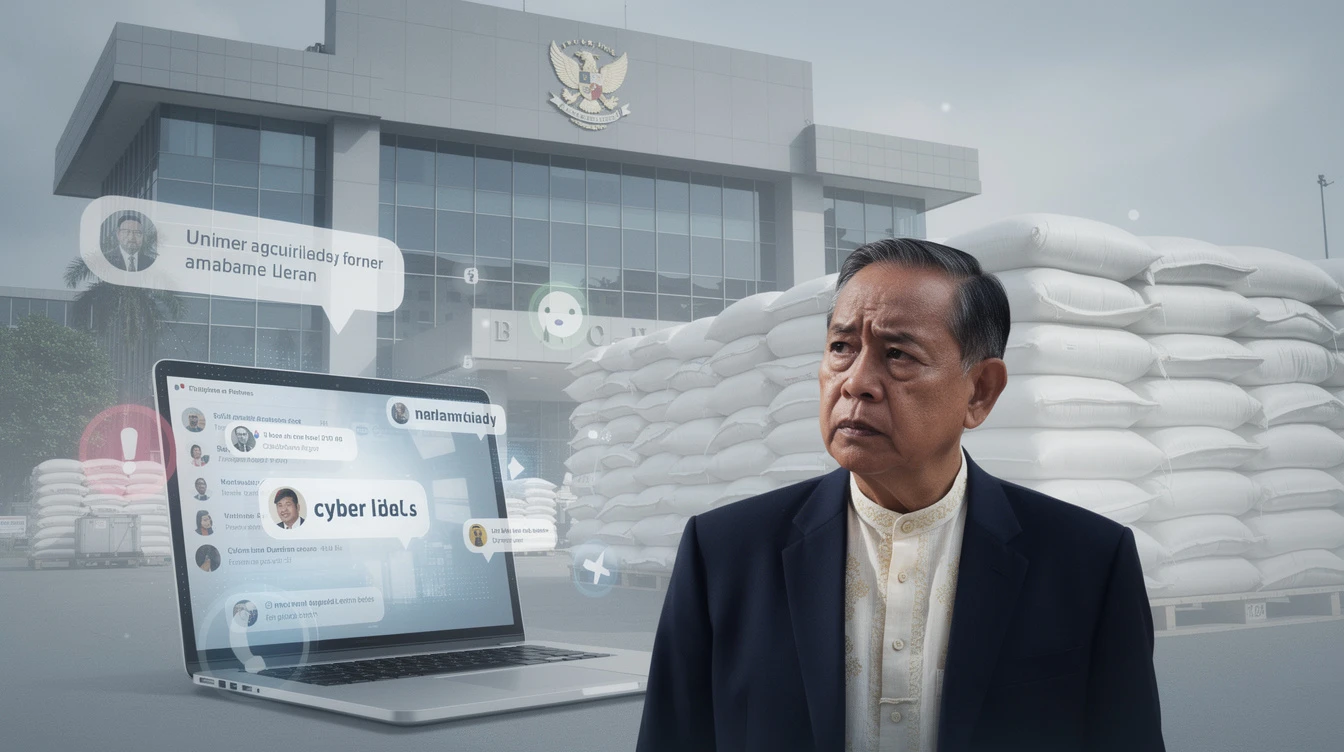
A cyber libel complaint was filed on Tuesday against former Department of Agriculture (DA) Secretary Leonardo Montemayor before the Makati City Prosecutor’s Office. The complaint, lodged by Pilipinas Pinasugbo Incorporated (PPI), stems from Montemayor’s statements in television interviews regarding the company’s importation of 22,750 metric tons of rice from Vietnam.
What Montemayor Alleged
Montemayor, who chairs the Federation of Free Farmers (FFF), said in those TV interviews that PPI “seems to be exempt from the Commission on Audit’s yearly inspection, even though the company is classified as a GOCC.” A GOCC, or government-owned and -controlled corporation, is subject to strict COA audit rules.
The former DA chief did not provide a specific legal basis for calling PPI a GOCC. His statements questioned the legitimacy of the company’s rice import operations. The interviews were aired on national television, making the alleged defamation subject to the Cybercrime Prevention Act of 2012.
PPI’s Defense: A Private Corporation
PPI categorically denied being a GOCC. In its complaint, the company stated: “PPI is a private corporation, and its importations comply with all legal requirements.” It also emphasized that its shares of stock are owned by private individuals and entities, not by the government, either directly or indirectly.
“The defamatory claims regarding its corporate status and legitimate business activities were made with malice and have directly injured the reputation and goodwill the company has built over decades,” the complaint read. PPI argued that Montemayor’s statements were made without verifying the company’s legal classification.
Legal Basis for Cyber Libel
The complaint was filed under Republic Act 10175, or the Cybercrime Prevention Act, which penalizes libel committed through a computer system. The Makati City Prosecutor’s Office will now determine if there is probable cause to charge Montemayor.
Lawyer Ferdinand Topacio, representing PPI, said the company is seeking to protect its reputation. “This is not about silencing critics, but about holding people accountable for false and damaging statements,” he said in a statement.
Montemayor’s Background
Montemayor served as DA secretary under the Estrada administration. He is a known advocate for agricultural reforms and small farmers. His FFF group has frequently criticized the government’s rice importation policies, arguing they hurt local producers.
This is not the first time Montemayor has faced legal trouble over his statements. In 2023, he was involved in a case regarding agricultural smuggling allegations. However, this is his first cyber libel complaint linked to a rice import dispute.
Rice Imports in the Philippines
The issue of rice imports remains politically sensitive. The Philippines is a top global rice buyer, with imports reaching about 3.8 million metric tons in 2024. The government, through the National Food Authority (NFA), regulates private importation but has faced accusations of over-importation and allowing cartels to control supply.
PPI is one of many private companies authorized to import rice. Its critics, including Montemayor, argue that some importers exploit loopholes. Montemayor’s claim that PPI is a GOCC would, if true, subject its import deals to COA review.
Reactions from the Agriculture Sector
The Federation of Free Farmers issued a statement supporting Montemayor. “His statements were intended to protect Filipino farmers from unfair trade practices,” the group said. “We will continue to question the lack of transparency in rice importation.”
Other agricultural groups have called for better regulation of rice imports to prevent price manipulation. However, some industry insiders caution that labeling legitimate importers as GOCCs without evidence could backfire on food security efforts.
Implications for Free Speech
This case raises questions about the balance between free speech and corporate reputation rights. Under Philippine law, journalists and critics can be held liable for defamation, particularly under the Cybercrime Law, which critics say is often used to silence dissent.
If convicted, Montemayor could face up to six years in prison and fines. The case is expected to take months before the prosecutor’s office issues a resolution. Montemayor has yet to issue a formal statement about the complaint.
Significance for Filipino Readers
This case underscores the tensions between the private sector, government regulators, and farmer advocates over rice importation policy. For ordinary Filipinos, rice prices are a daily concern, and any conflict over import rules can affect the cost of their staple food. The outcome of this legal battle could set a precedent on how far critics can go when questioning corporate practices in the agriculture sector.
As the Makati City Prosecutor’s Office reviews the evidence, both sides are bracing for a prolonged legal fight. The Montemayor case is a reminder of the high stakes in the Philippine rice import debate, where decades-old alliances and billion-peso contracts are at play.
Frequently Asked Questions
What is cyber libel in the Philippines?
Cyber libel is a criminal offense under Republic Act 10175 that punishes defamation committed through a computer system, such as social media or television broadcasts. Penalties can include up to six years in prison.
Is PPI really a GOCC?
No. According to its complaint, PPI is a private corporation whose shares are owned by private individuals and entities, not by the government. The Securities and Exchange Commission classifies it as such.
How much rice did PPI import from Vietnam?
PPI imported about 22,750 metric tons of rice from Vietnam, a transaction that Montemayor questioned in his TV interviews.