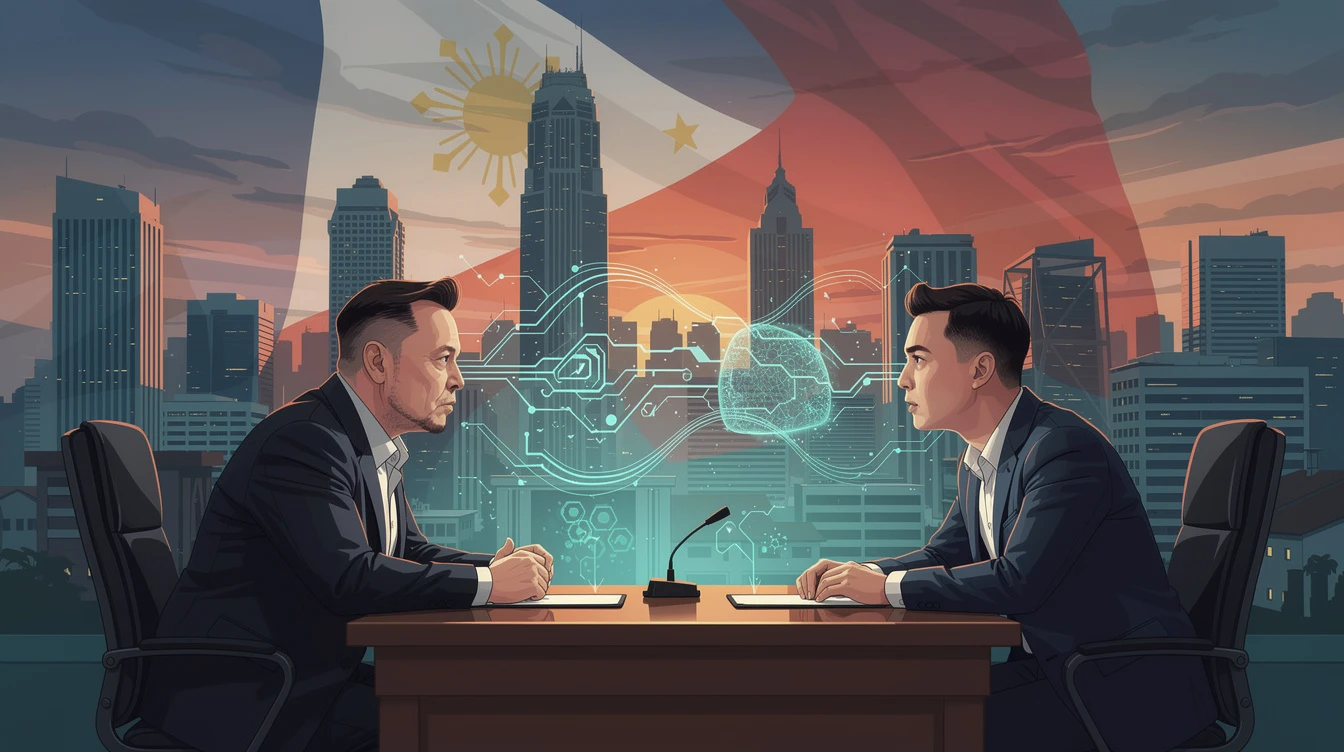
A high-stakes trial pitting Elon Musk against OpenAI CEO Sam Altman is exposing a bitter power struggle over the future of artificial intelligence—a fight with direct consequences for millions of Filipinos who rely on AI tools for work, education, and business. The case, filed in 2024 and now unfolding in a U.S. federal court, revolves around Musk’s claim that OpenAI and its major investor Microsoft betrayed the organization’s original nonprofit mission to develop AI for the benefit of humanity. Musk is seeking $150 billion in damages, with proceeds directed to OpenAI’s charitable arm, according to a person familiar with the case.
For the Philippines, where AI adoption is accelerating across call centers, the BPO sector, and digital services, the trial’s outcome could determine how accessible and ethical AI remains for emerging economies. The trial’s central evidence includes thousands of pages of internal documents, including a diary entry from OpenAI co-founder Greg Brockman that reveals early fractures between Musk and OpenAI’s leadership. According to court filings cited by Reuters and Israeli tech news site Calcalistech, Brockman’s diary highlights disagreements over OpenAI’s shift from a nonprofit to a for-profit entity in March 2019—just 13 months after Musk left the board.
Altman
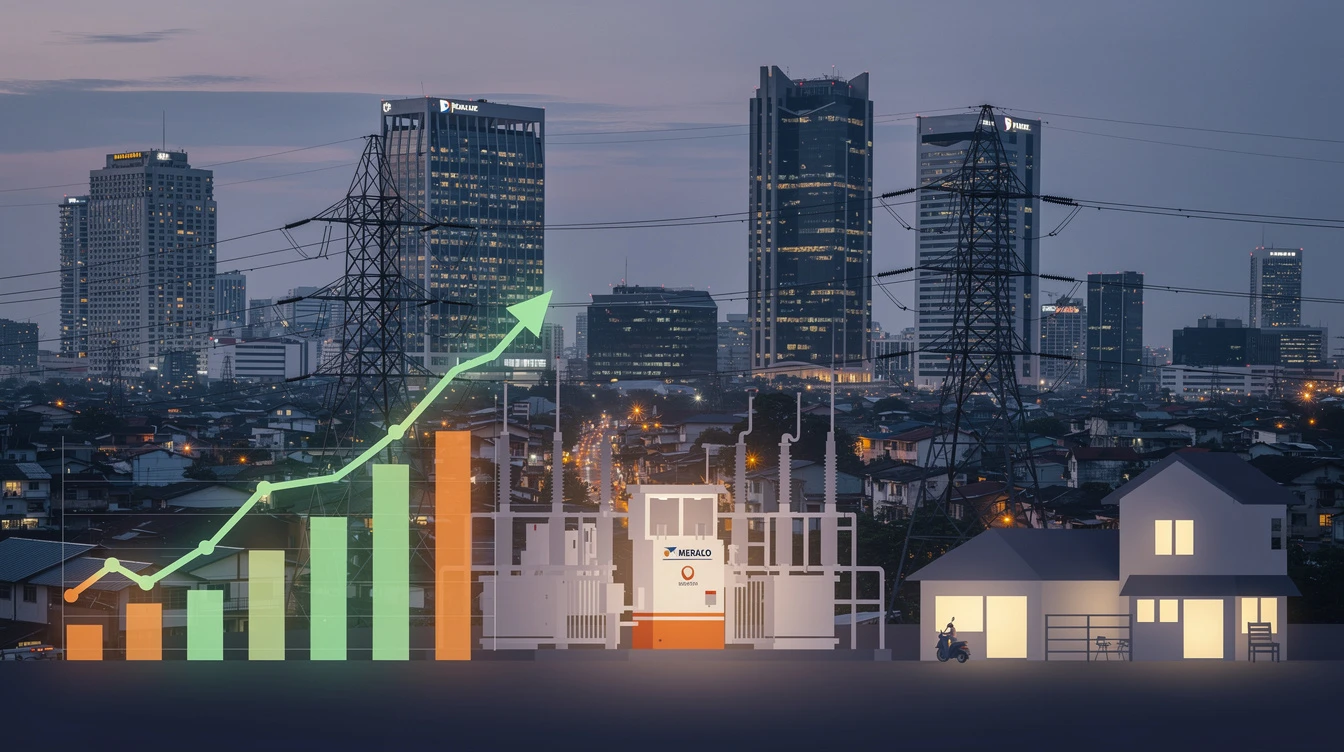
The Philippine BPO sector, which employs over 1.3 million workers and generates $30 billion annually, is heavily dependent on AI-driven platforms like ChatGPT and Microsoft Copilot. A potential restructuring of OpenAI under court order could disrupt access, pricing, or data policies for Filipino users. Musk’s legal team argues that OpenAI, Altman, and Microsoft violated antitrust laws and deceived early donors, including Musk himself, who contributed $50 million in seed funding.
The complaint alleges that OpenAI’s for-profit pivot allowed Microsoft to gain preferential access to cutting-edge AI models, stifling competition. For Filipinos, this echoes concerns about digital sovereignty—if big tech firms control foundational AI, local startups and government agencies risk dependency on foreign algorithms. The Philippine government has already invested in AI research through the Department of Science and Technology, and a shakeup at OpenAI could affect partnerships or licensing agreements.
OpenAI’s defense, led by Altman’s lawyers, maintains that the for-profit restructuring was necessary to secure capital for large-scale AI development and that Musk himself supported the idea before leaving. Microsoft, which has invested over $13 billion in OpenAI, argues that its partnership is standard industry practice and pro-competitive. The trial, expected to last several weeks, could result in a forced divestiture of Microsoft’s stake or removal of Altman as CEO—a move Musk explicitly requested in his filings.
Trial
For the Philippines, where the BPO sector increasingly uses tools like Copilot for sales and customer support, a breakup could lead to service disruptions or higher costs. The case has also drawn attention from global regulators, including the European Union, which is monitoring anticompetitive practices in AI. The Philippine Competition Commission (PCC) has not yet commented, but analysts predict that a U.S. ruling could set a precedent for how AI governance is enforced in Asia. "This is the most significant corporate governance battle in tech since the Microsoft antitrust case of the 1990s," said Dr.
Maria Ressa, a Filipino tech policy expert at the University of the Philippines. "It will shape not just OpenAI, but how emerging economies like ours negotiate fair access to AI." Meanwhile, Filipino venture capital firms are watching closely. The Philippines has seen a surge in AI startups, with over 200 registered companies in 2025 alone, according to the Philippine Information Technology and Business Process Association (IBPAP). These startups rely on OpenAI’s application programming interfaces (APIs) for natural language processing and generative AI.
A court-ordered change in OpenAI’s business model could alter API pricing, which directly impacts development costs for local entrepreneurs. For more on the local startup scene, see Philippine Technology. The trial also highlights the tension between profit and public good—a trade-off familiar to Filipinos dealing with privatized services.
Musk’s original vision for OpenAI was to develop AI as a counterweight to Google’s dominance, but critics say the for-profit pivot has turned the organization into a profit-driven monopoly. "The original mission was to democratize AI. Now it’s a corporate weapon," said Dr. Ressa.
Filipino advocates for digital rights are calling for stronger local regulations to safeguard against similar mission shifts. For context on Philippine digital rights, see Philippine Politics. As the trial enters its second week, testimony from key witnesses—including Altman, Brockman, and former OpenAI board members—is expected to provide further revelations.
Shareholders of Microsoft, which holds a 49% stake in OpenAI’s for-profit arm, have filed their own derivative lawsuits, complicating the legal landscape. For Filipino investors, the case underscores the risks of concentration in AI assets. The Philippine Stock Exchange has not yet seen direct fallout, but analysts warn that a forced divestiture could trigger a broader tech sell-off.
Reveals
Ultimately, the trial is more than a personal feud between two billionaires. It is a referendum on the governance of the most transformative technology of the 21st century. For the Philippines, which ranks among the top countries for AI adoption in Southeast Asia, the verdict will influence everything from job creation to education reform.
As the world watches, one question looms large: will AI serve humanity, or will humanity serve a few powerful corporations? For our full coverage of how AI impacts Filipino jobs, see Philippine Business.