The Department of Energy (DOE) on Saturday reported that five renewable energy projects with a combined capacity of 128.9 megawatts (MW) have become operational, marking an early milestone in the Philippines’ clean energy push. The announcement, made via the DOE’s official social media channels, underscored the government’s commitment to increasing renewable energy share in the national power mix. As of April 17, 2026, these projects are now injecting power into the grid, according to a report by GMA News Online and the Daily Guardian .
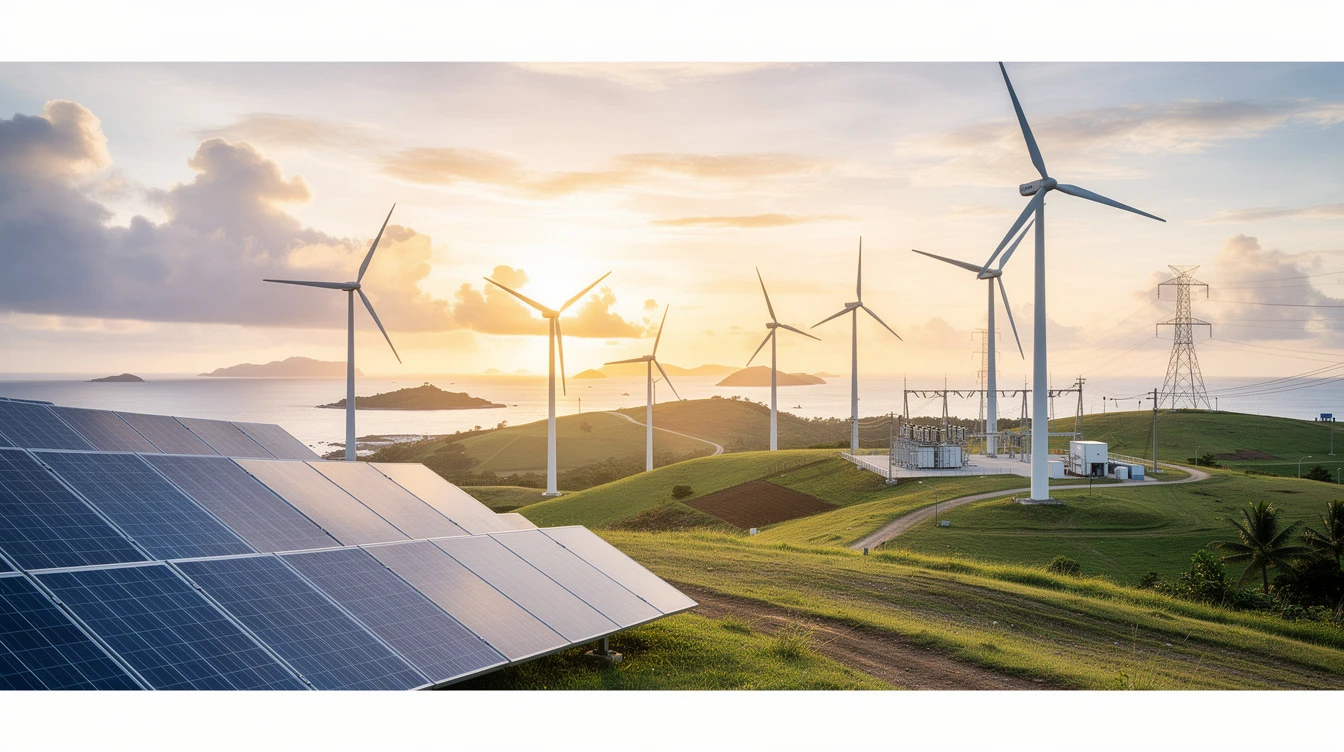
These newly operational facilities span solar and wind technologies, with specific locations spread across Luzon and Visayas. The DOE did not immediately disclose the names of all project developers, but confirmed that the combined 128.9 MW output will help address peak demand periods, particularly during the dry season when consumption surges. For more insights, see Philippine Energy Update .
renewable
The 128.9 MW capacity represents an early achievement under the Renewable Portfolio Standards (RPS), which mandates electricity suppliers to source a portion of their power from renewables. Energy officials have repeatedly emphasized that scaling up renewable energy is critical for energy security and reducing dependence on imported fossil fuels, which are subject to volatile global prices.
This development comes as the Philippines targets a 35% renewable energy share in the power generation mix by 2030, and 50% by 2040, as outlined in the Philippine Energy Plan. The DOE has reported that as of end-2025, renewables accounted for roughly 22% of the country’s total installed capacity, meaning significant acceleration is needed to meet these goals.
Among the projects now online is a solar farm in Central Luzon with a capacity of 50 MW , and a wind energy facility in Northern Luzon contributing 40 MW . The remaining 38.9 MW comes from three smaller solar and biomass plants scattered across the Visayas, per information from the DOE’s Renewable Energy Management Bureau .
energy
The DOE stressed that these projects underwent rigorous permitting and grid impact studies before commissioning. "The operationalization of these five projects demonstrates the private sector’s confidence in the Philippines’ renewable energy market," the DOE said in a statement. These projects are expected to generate enough electricity to power approximately 80,000 average Filipino households annually, based on standard consumption estimates.
For Filipino consumers, the immediate benefit is potentially lower electricity rates in the long term, as renewable energy sources have zero fuel cost and lower operating expenses compared to coal or natural gas plants. However, the transition requires significant upfront investment, which may be reflected in electricity tariffs during the construction phase.
The DOE also highlighted that these projects will create green jobs in construction, operations, and maintenance. At least 1,200 direct jobs were generated during the development phase, with another 300 permanent positions now in place for ongoing operations. This aligns with the government’s push for sustainable employment under the Philippine Development Plan.
Environmental advocates welcomed the news but urged the DOE to accelerate approvals for pending projects, citing that the current pace may not be enough to meet the 2030 target. The Philippines remains one of the most vulnerable countries to climate change, and transitioning to renewables is seen as both an environmental and economic imperative.
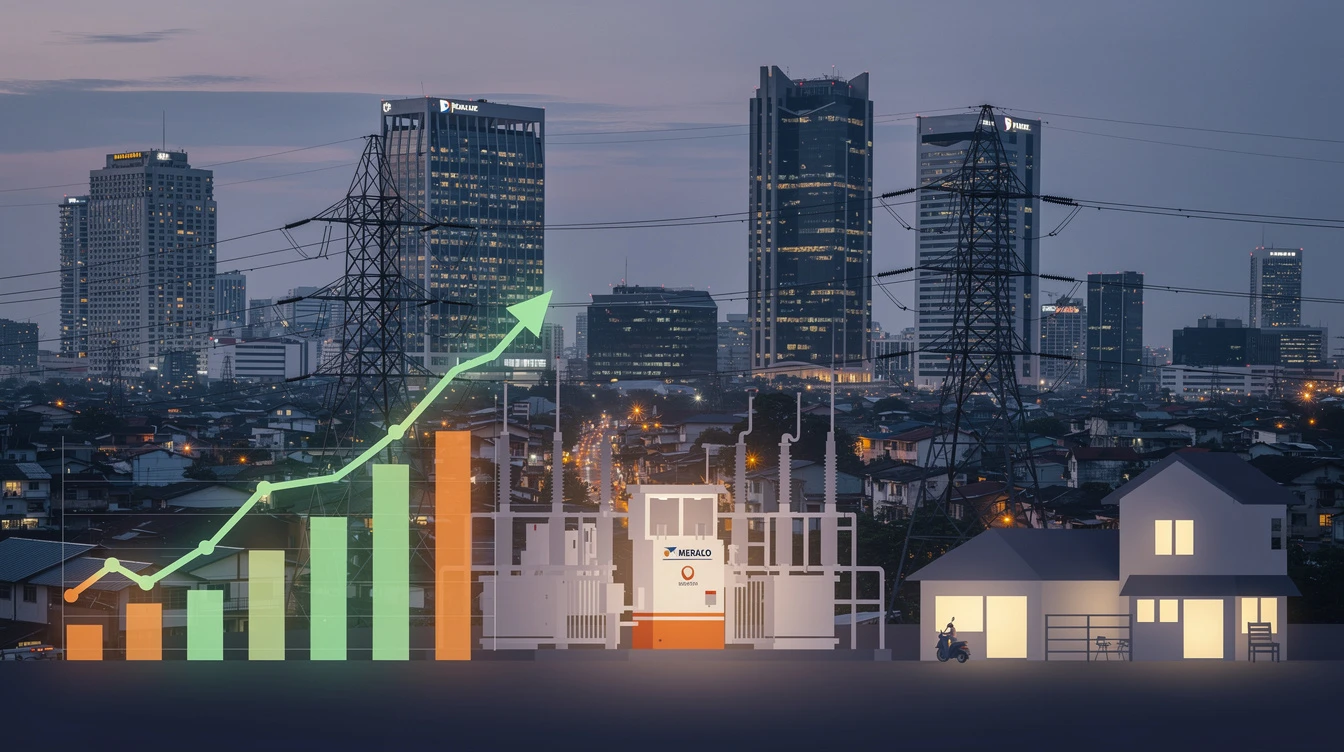
The announcement also comes amid rising electricity demand, which grew by 6.5% year-on-year in the first quarter of 2026, driven by industrial expansion and increased household consumption. The additional 128.9 MW will help ease pressure on the grid and reduce the likelihood of rotational brownouts during peak summer months.
For Filipino overseas workers and investors, the operational projects signal a maturing renewable energy sector with attractive opportunities. The DOE has opened the Renewable Energy Service Contract (RESC) program to 100% foreign ownership since 2022, encouraging international capital to flow into the country’s clean energy development. Read more about Renewable Energy Investment .
The DOE encouraged local governments and communities to support renewable energy projects, noting that host communities benefit from energy transition packages that include infrastructure improvements, scholarships, and health programs funded by developers. These social programs are mandated under DOE guidelines to ensure equitable distribution of benefits.
In a related development, the DOE is currently reviewing applications for another 15 renewable energy projects with a combined capacity of over 450 MW that are expected to be approved within the year. If realized, this would bring the total new renewable capacity in 2026 to nearly 580 MW , a significant jump from the 340 MW added in 2025.
projects
Critics, however, note that bureaucratic hurdles, including lengthy grid interconnection processes and local permitting delays, continue to hamper faster deployment. The DOE has acknowledged these challenges and committed to streamlining procedures through the Energy Virtual One-Stop Shop (EVOSS) platform, which allows developers to track applications online.
The significance for Filipino readers is clear: each megawatt of renewable energy added translates to cleaner air, reduced greenhouse gas emissions, and greater energy independence for the nation. With the country importing more than half of its fuel requirements, every unit of renewable energy displaces imported coal or oil, keeping more money in the Philippine economy and buffering consumers from global price shocks.