The Department of Human Settlements and Urban Development(DHSUD) has officially implemented a housing payment relief program, allowing qualified Filipino borrowers to temporarily suspend their monthly amortizations. This emergency measure, announced recently, is a direct response to the economic pressures of the ongoing energy crisis.
Secretary Jose Rizalino Acuzar stated the program provides a crucial"financial breathing room" for homeowners struggling with rising costs. The relief allows a temporary pause on payments without incurring penalties or damaging credit scores, per the official DHSUD announcement.
The directive follows President Ferdinand Marcos Jr.'s call for a whole-of-government approach to mitigate the impact of soaring electricity prices. The policy is designed to prevent loan defaults and provide stability for families in socialized and economic housing programs.
Eligibility details are being finalized, but the program is expected to target borrowers in government housing projects administered by agencies like thePag-IBIG Fund, Social Housing Finance Corporation, and the National Home Mortgage Finance Corporation.
"This intervention is timely and necessary," Acuzar said. He emphasized the administration's commitment to protecting the gains of Filipino homeowners, especially those in the low-income bracket most vulnerable to economic shocks.
The moratorium's specific duration and application process will be clarified by DHSUD and its partner lending institutions in the coming days. Borrowers are advised to wait for official guidelines from their respective banks or housing agencies.
This move is part of a broader suite of government interventions addressing the energy crisis. It complements existing programs like thePantawid Pamilyang Pilipino Program (4Ps) and targeted subsidies for electricity consumers.
For many Filipinos, monthly housing amortizations represent their largest financial obligation. The temporary suspension is seen as a vital buffer against the compounding effects of inflation and high power bills.
The housing sector has been a priority for the Marcos administration, withDHSUD accelerating permit approvals for socialized housing projects. This relief measure aims to safeguard those investments and maintain housing continuity.
Analysts view this as a preventive economic policy. By reducing the immediate cash outflow for families, the government hopes to sustain domestic consumption and prevent a wave of housing loan delinquencies.
The implementation will require close coordination between DHSUD, financial regulators, and private developers. Ensuring clear communication to all affected borrowers nationwide will be a key challenge.
This policy mirrors similar moratoriums enacted during the COVID-19 pandemic, which provided critical relief to millions of borrowers. The current crisis, however, is driven by different external economic factors.
For overseas Filipino workers(OFWs) who are paying for homes in the Philippines, this news is particularly significant. It offers assurance that their family's housing security is being protected during a period of economic strain.
The success of the program will depend on its accessibility and the efficiency of its rollout. Advocates urge the government to make the application process as simple and barrier-free as possible.
This development is a core part of the government'ssocial safety net. It reflects an understanding that housing security is foundational to national stability and economic resilience.
As the energy situation evolves, further extensions or adjustments to the moratorium may be considered. The government's response will likely remain fluid based on the severity and duration of the crisis.
For updates on government aid programs, readers can follow our coverage onPinoyPulse News. Understanding your rights and available support is crucial in navigating these challenges.
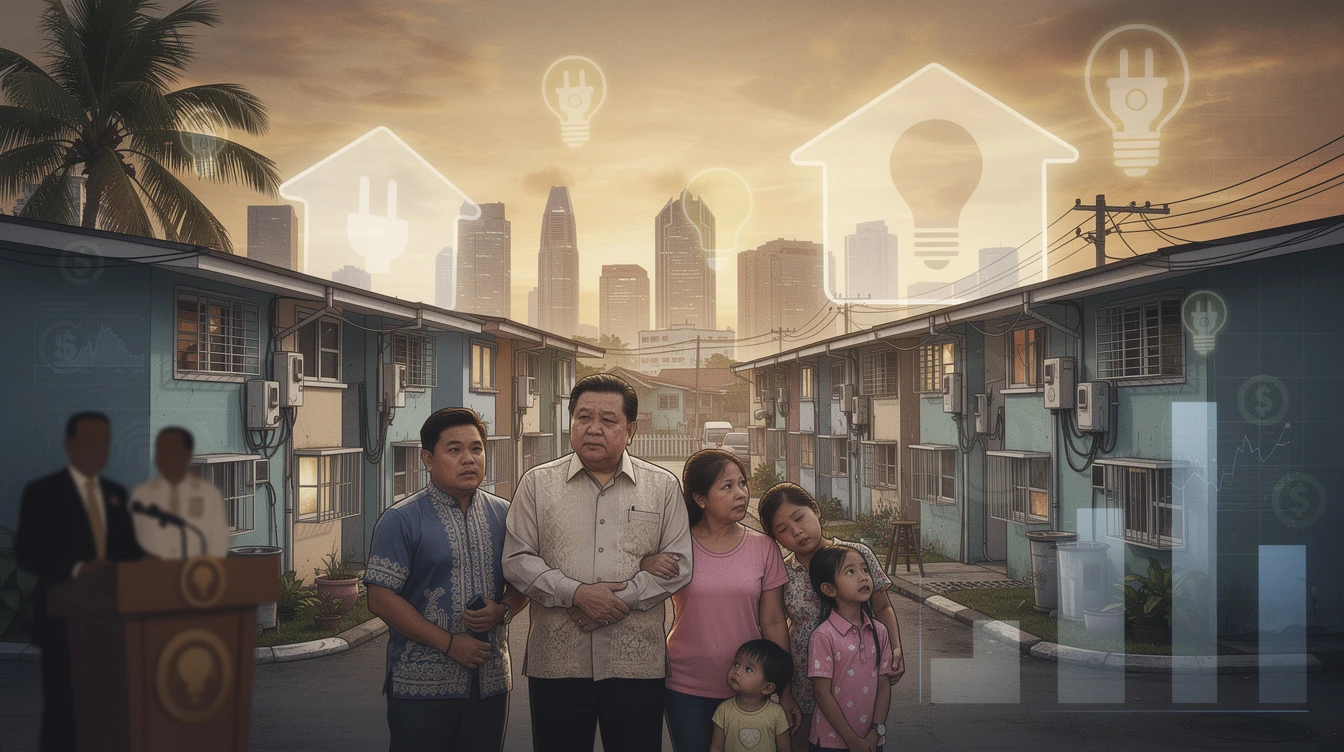
The DHSUD's action underscores the tangible impact of national policy on everyday Filipino life. It directly addresses the anxiety of homeowners choosing between paying for power or keeping their home.
This intervention is more than financial; it's about preserving the Filipino dream of homeownership against unforeseen global economic disruptions. It represents a critical layer of protection for family assets.
For millions of Filipino families, this moratorium is not just a policy announcement—it is a lifeline. It provides immediate, practical relief during a period of significant household budget pressure.
The program's significance lies in its targeted approach to a specific, high-stakes financial burden. By focusing on housing, the government addresses one of the most stressful aspects of the cost-of-living crisis.
To learn more about the government's housing initiatives and other economic policies, visit our dedicated section atPinoyPulse About. Staying informed is the first step to accessing vital support.