Rising Toll of Fuel Crisis Hits 425 Gas Stations
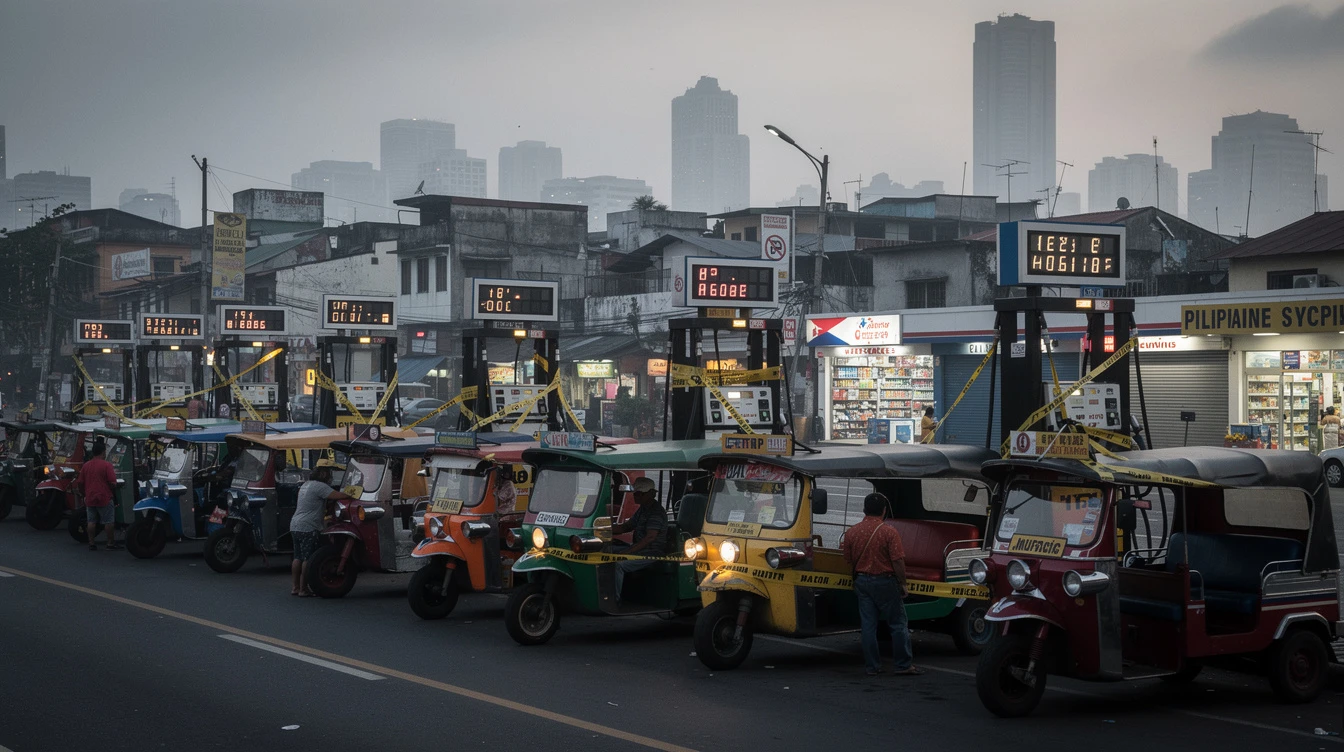
The number of gasoline stations temporarily closed across the Philippines has climbed to 425, according to the latest count released Friday morning, March 27. This marks a significant jump from the 403 closures reported by the Philippine National Police (PNP) just earlier this week.
Breakdown by Region and Timeline
Authorities have noted that the closures are spread across multiple regions, with areas outside Metro Manila particularly affected. The sharp increase—from 403 to 425 closures in a matter of days—indicates the accelerating pace of the fuel supply squeeze gripping the nation.
Energy industry sources say the closures stem from a combination of factors, including soaring wholesale fuel prices, logistical challenges in replenishing inventories, and concerns over creditworthiness given delayed settlements from fuel suppliers.
Government Response Under Scrutiny
The Department of Energy (DOE) has acknowledged the severity of the situation but has yet to announce concrete measures to address the underlying causes. Lawmakers have begun calling for emergency sessions to discuss potential interventions.
The DOE maintains that fuel supply remains adequate nationwide. However, industry groups argue that price pressures and distribution bottlenecks are creating conditions where even available fuel cannot reach consumers efficiently.
Impact on Motorists and Commuters
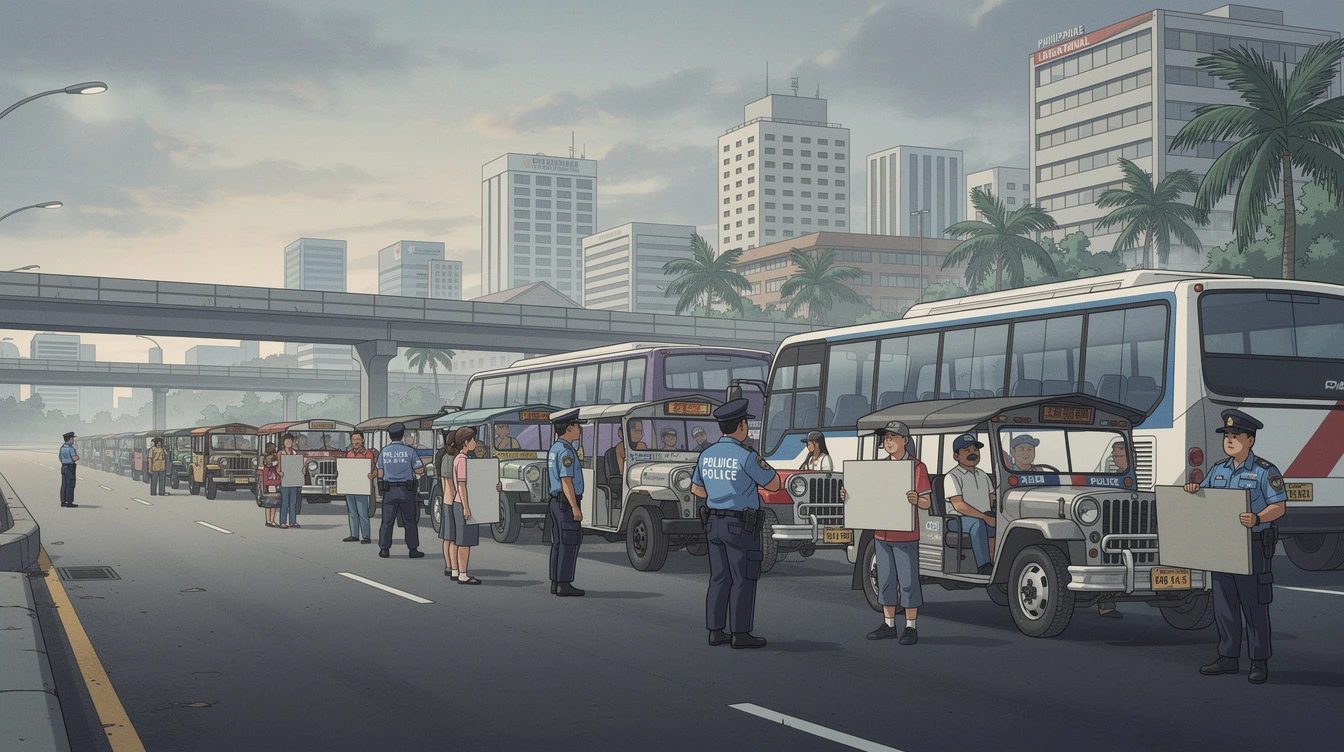
For ordinary Filipinos, the growing number of closed stations translates into longer queues, extended travel times, and heightened anxiety over fuel access. Public utility vehicle drivers report spending hours waiting at the few operating stations in their areas.
Queues Lengthen at Operating Stations
Motorists in several provinces have taken to social media to share photos of lengthy lines at surviving fuel stations, some stretching for kilometers. Some drivers have resorted to arriving at stations before dawn to secure their supply.
Private vehicle owners are also feeling the pinch. With operating stations now serving larger catchment areas, fuel runs out faster, and the cycle of shortages becomes self-reinforcing.
Transportation Costs Rise
The transportation sector has begun passing on increased costs to passengers. Jeepney drivers report earning significantly less per trip due to longer idle times and fuel rationing. Delivery services have announced surcharges that could push up prices of goods across the supply chain.
- Jeepney and bus fares expected to increase within the week
- Delivery companies adding fuel surcharges to orders
- Some businesses limiting operations to conserve fuel
Looking Ahead: What's Next for the Energy Sector
Energy analysts warn that without intervention, the closure count could continue rising. The global oil market remains volatile, and local distributors face mounting pressures from both international price movements and domestic credit risks.
Industry Stakeholders Push for Intervention
The Petroleum Industry Association of the Philippines has appealed to the government to consider temporary tax reductions on fuel products and to ensure adequate credit lines for smaller fuel retailers. Industry executives argue that without financial breathing room, more closures are inevitable.
Some operators have suggested implementing a controlled pricing mechanism that would cap retail margins temporarily, allowing stations to remain open while protecting consumers from the full brunt of price spikes.
Calls for Policy Reforms
Economic managers face mounting pressure to balance fiscal restraint with the need for immediate relief. Consumer groups have staged protests in several cities, demanding government action to stabilize fuel prices.
The situation underscores broader vulnerabilities in the country's energy security framework. Analysts say long-term solutions must address supply chain resilience, inventory management, and alternative energy transition to prevent future crises.
As the 425 closed stations serve as a stark reminder of the sector's fragility, Filipino families continue to hope for swift government action before the situation worsens further.