MANILA — As liquefied petroleum gas (LPG) prices continue their upward trajectory, many Filipino families are returning to an old-school cooking method: charcoal. The shift marks a significant change in household energy habits across the country.
Rising LPG Costs Squeeze Filipino Households
Projected Price Increase Details
Industry forecasts indicate that LPG prices will increase by $115 per metric ton in the coming months. This translates to approximately P10 per kilogram added to the current retail price. For the average Filipino household, this means spending significantly more on cooking fuel every month.
Impact on Family Budgets
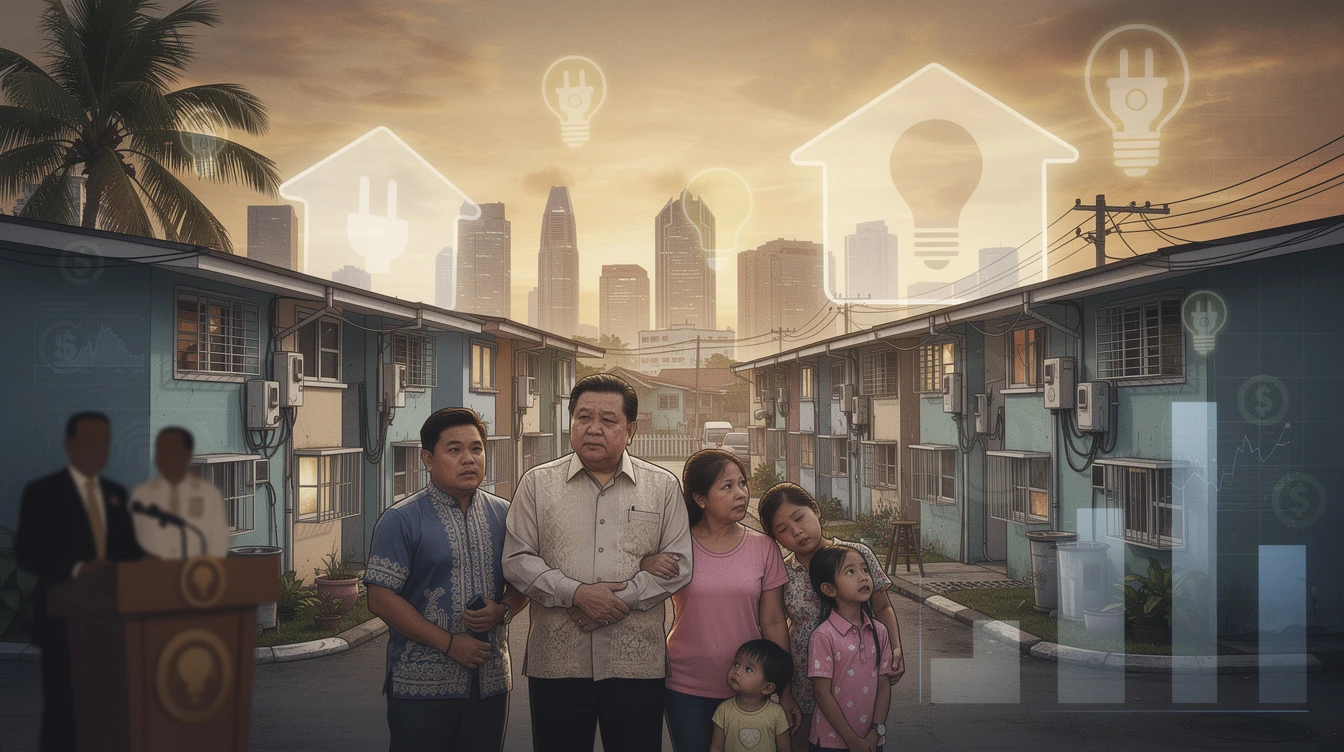
Families already struggling with inflation are feeling the pinch. Many have begun calculating whether they can still afford to cook using LPG, or if they must make difficult trade-offs in their household budgets. The anticipated increase compounds existing financial pressures on consumers.
Charcoal Emerges as Alternative Fuel Source
Households Return to Traditional Cooking
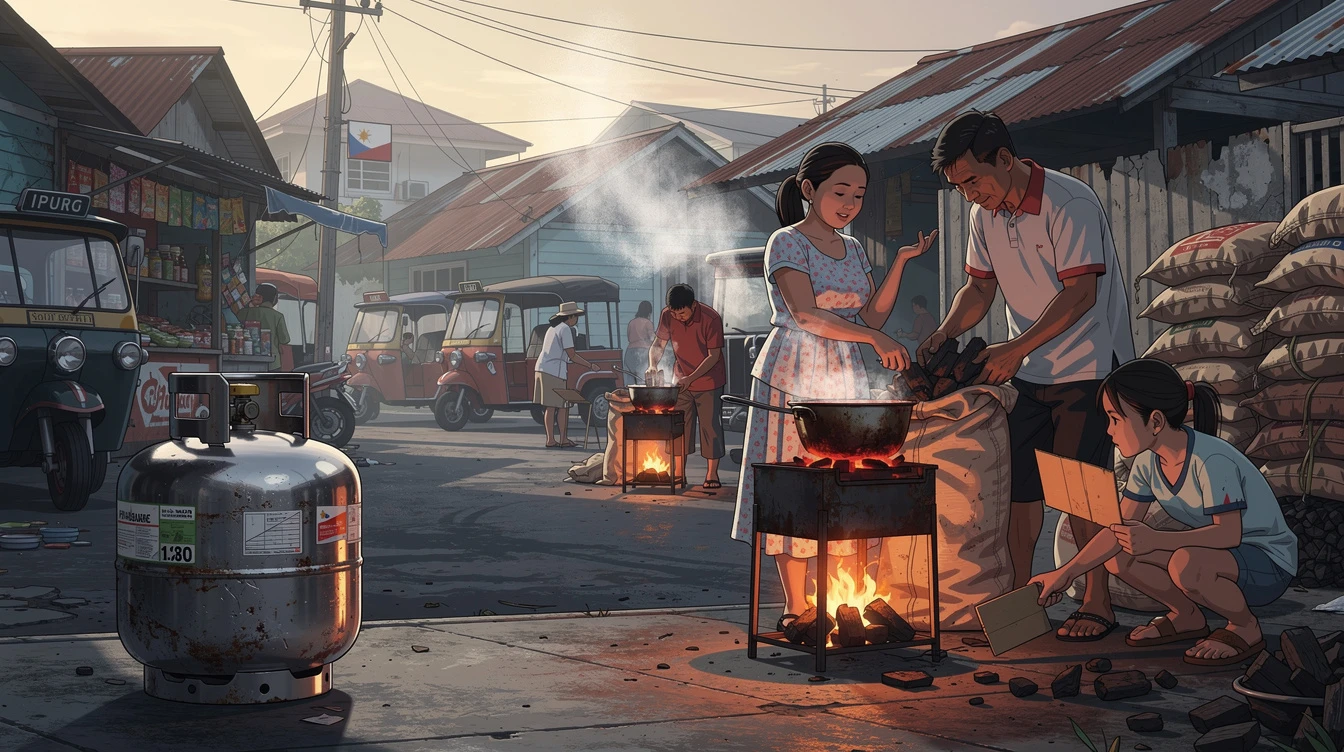
In neighborhoods throughout Metro Manila and provincial areas, more households are dusting off their charcoal stoves (kalan) and reverting to traditional cooking methods. This approach, once considered outdated in modern Filipino homes, is now becoming a practical solution for cost-conscious families.
Small Eateries Adapt to Survive
Small restaurants and eateries (sari-sari stores and carinderias) are also making the switch. These businesses operate on razor-thin margins, making fuel costs a critical factor in their survival. Many owners report that switching to charcoal has helped them maintain prices for their customers despite rising expenses.
Economic Pressures Drive Fuel Choices
Balancing Cost and Convenience
While charcoal requires more preparation time and produces more smoke than LPG, the cost savings are substantial. Families weigh the trade-offs between convenience and affordability, with many concluding that the financial relief outweighs the inconveniences of traditional cooking.
Long-term Implications for Energy Spending
Energy analysts suggest this trend could accelerate if LPG prices continue climbing. The shift may also have environmental implications, as charcoal production and burning contribute to deforestation and air pollution. However, for many Pinoy families, immediate survival takes precedence over long-term concerns.
Government Response and Consumer Outlook
Potential Relief Measures
Consumer groups have urged the government to explore measures that could ease the burden on households. Possible interventions include temporary subsidies for LPG or investigations into alleged price manipulations in the energy sector.
What Families Can Expect
Experts recommend that families prepare for sustained high LPG prices and consider diversifying their cooking fuel options. Some households are investing in efficient柴火 stoves or exploring other alternatives. For now, the humble charcoal pile has become an unlikely symbol of Filipino resilience in the face of economic challenges.