Fourth Generation of Cebu Family Keeps Pabasa Tradition Alive
A Legacy Passed Down Through the Decades
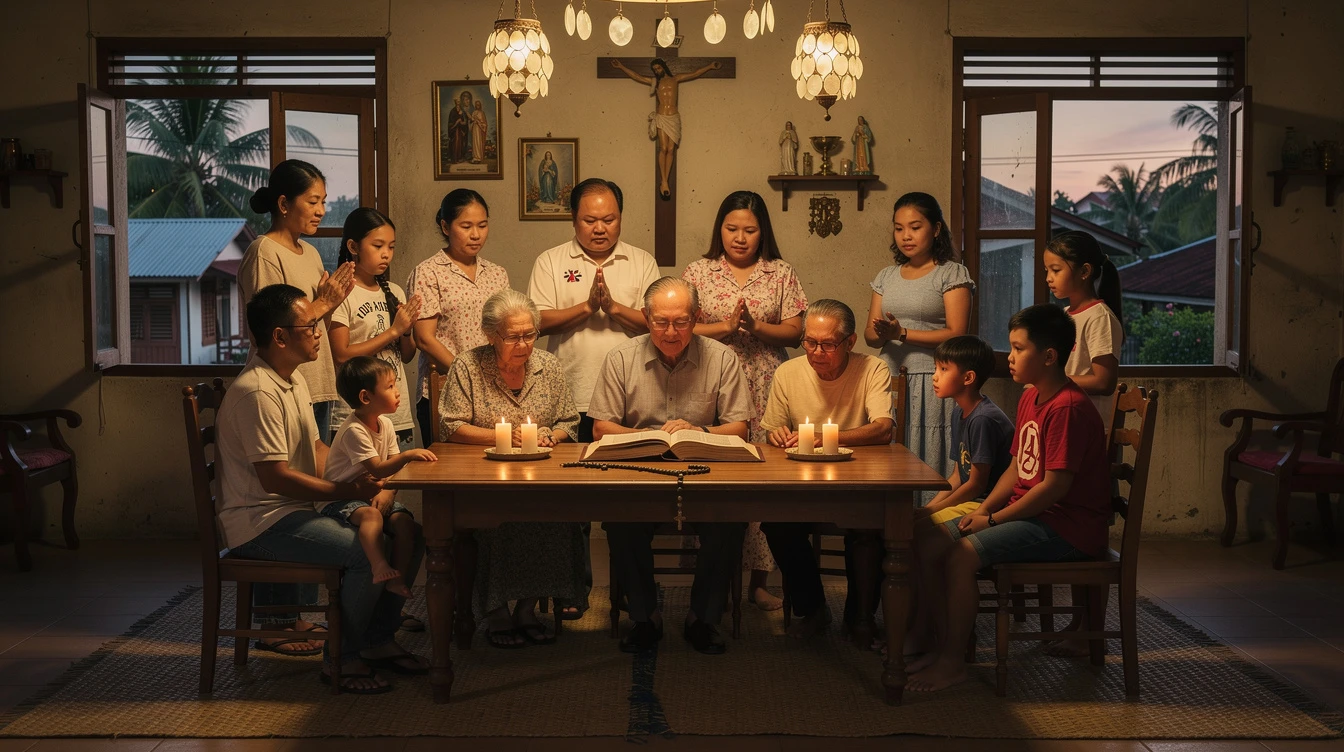
A family in Barangay Lahug, Cebu City has become a living testament to faith and tradition as they continue the centuries-old practice of "Pabasa" during Holy Week. This marks the fourth generation of their household to participate in the devotion.
The family gathers each year during the most sacred period in the Catholic calendar to sing or recite the "Pasyon," a book that narrates the life, death, and resurrection of Jesus Christ. What started as a simple act of devotion by their great-grandparents has evolved into a cherished family heritage.
Community Gathers for Week-Long Observance
The tradition typically spans the entire Holy Week, with family members taking turns in singing or reading the verses. Neighbors and community members often join the household, creating a communal atmosphere of prayer and reflection.
"We don't want this to end with us," said one family member. "Every year, we make sure the children learn the verses and understand the significance of what we are doing."
Understanding the Pasyon and Its Significance in Catholic Faith
The Heart of Holy Week Devotion
The "Pabasa" is one way for Catholics to express their faith by singing or reading the "Pasyon." This devotional practice holds deep spiritual meaning for Filipino Catholics, serving as both a form of worship and a means of passing down religious teachings to younger generations.
The book of the "Pasyon" contains verses that tell the story of Christ's suffering and redemption. Families who observe "Pabasa" believe it brings blessings and strengthens their connection to their faith during the most solemn time of the year.
Preserving Filipino Catholic Heritage
The tradition traces its roots back to the Spanish colonial period when the "Pasyon" was introduced to the Philippines. Over centuries, it has evolved into a distinctly Filipino Catholic practice that combines elements of prayer, music, and community bonding.
In many households across the country, the "Pabasa" remains an important part of Holy Week observance. However, fewer families are continuing the practice, making dedicated households like the one in Lahug increasingly rare.
Lahug Community Embraces Timeless Holy Week Practice
Family Unity Through Shared Faith
For this Cebuano family, "Pabasa" is more than just a religious obligation. It serves as an opportunity for family members of all ages to come together, share stories, and strengthen their bonds through their shared Catholic faith.
Younger family members are taught the traditional melodies and verses, ensuring the practice survives beyond the current generation. Elders guide the sessions, offering explanations and context that enrich the devotional experience.
Keeping Traditions Alive for Future Generations
As modernization continues to reshape Philippine society, families like this one in Lahug serve as guardians of cultural and religious heritage. Their commitment to "Pabasa" demonstrates how ancient traditions can thrive when passed from generation to generation with dedication and love.
The practice continues every Holy Week in their home, with the familiar sounds of the "Pasyon" echoing through their neighborhood as a reminder of the enduring power of faith and family.