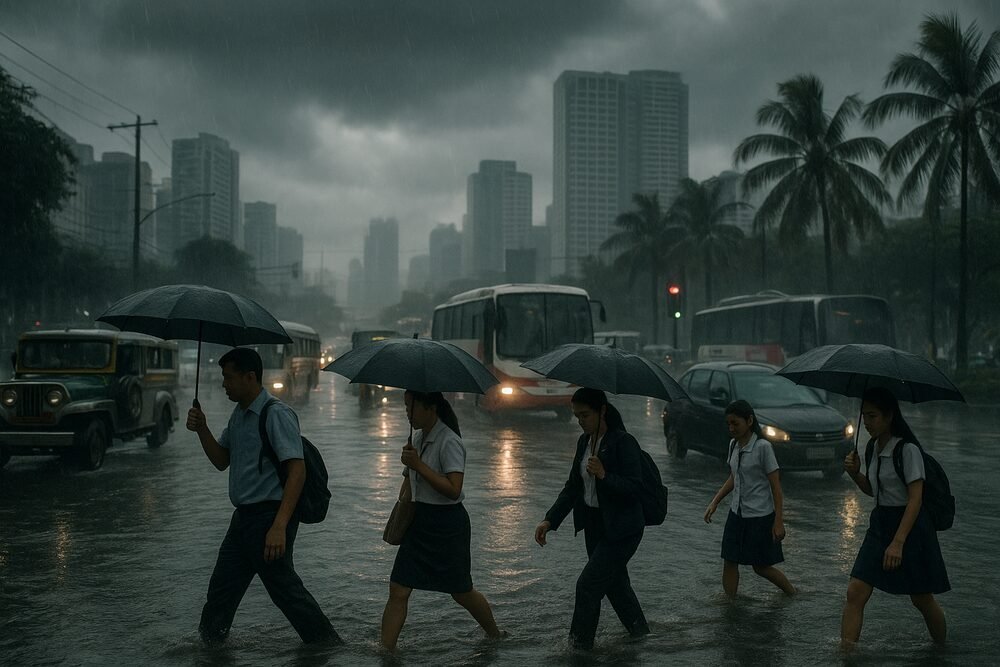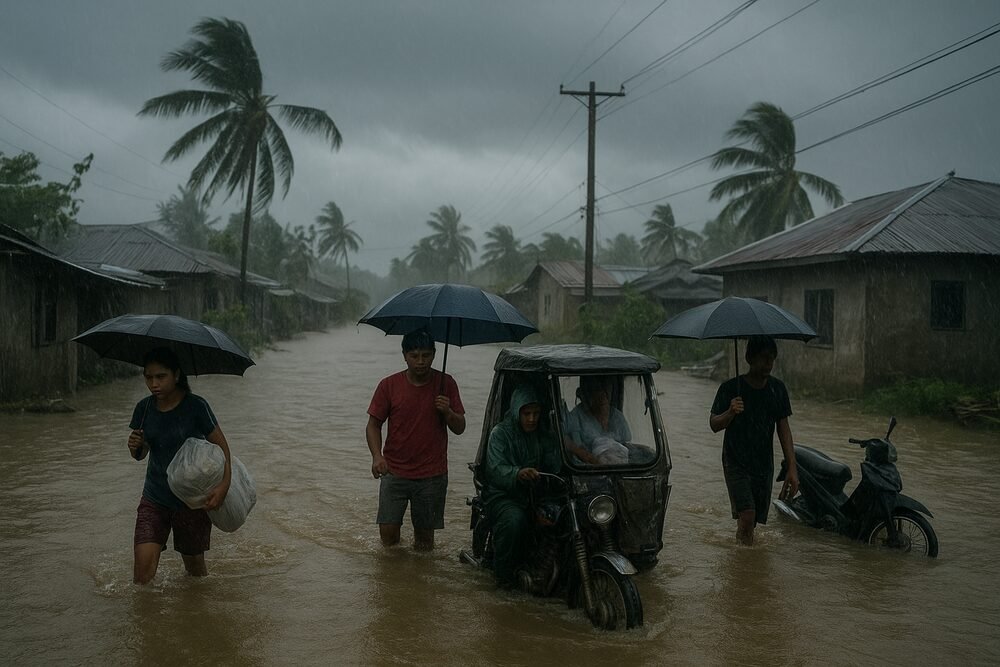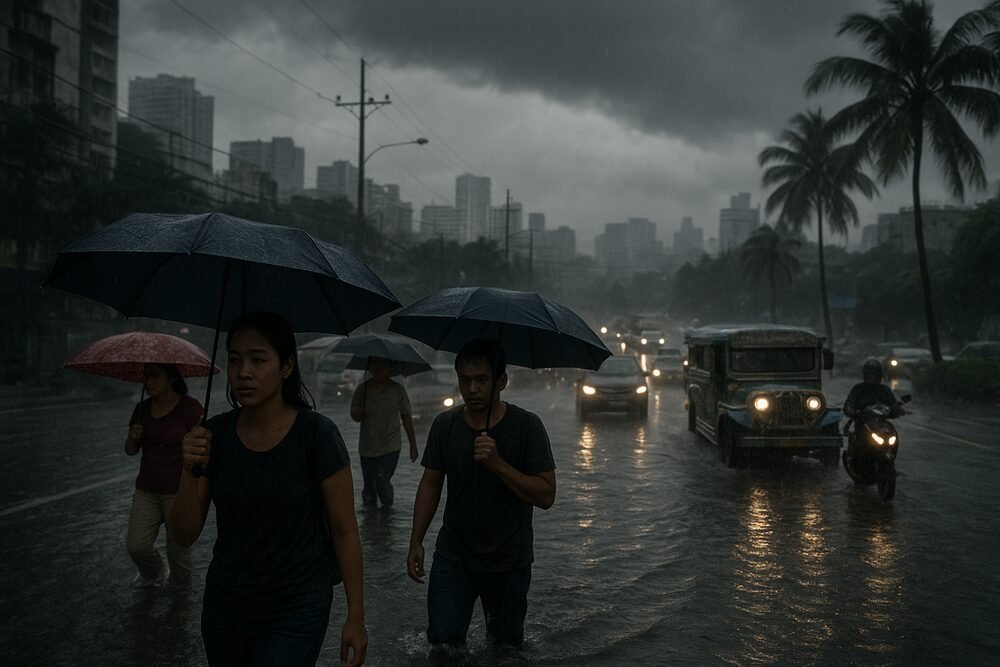
Cloudy skies and intermittent rains continue to blanket large parts of Luzon as the northeast monsoon, locally known as amihan, intensifies and interacts with a shear line affecting the eastern sections of the country, state weather officials said Wednesday.
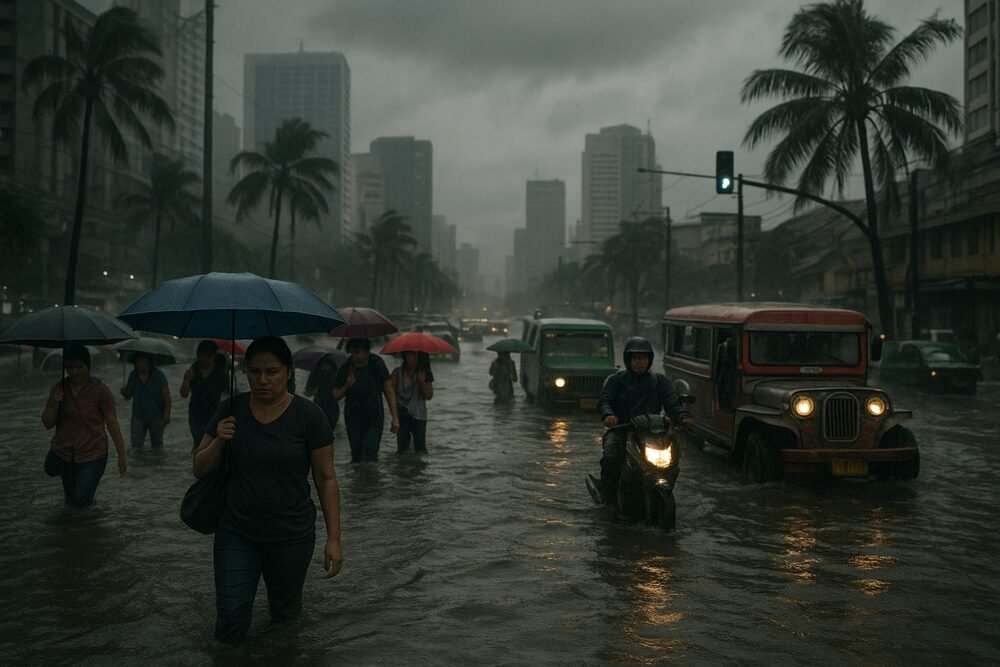
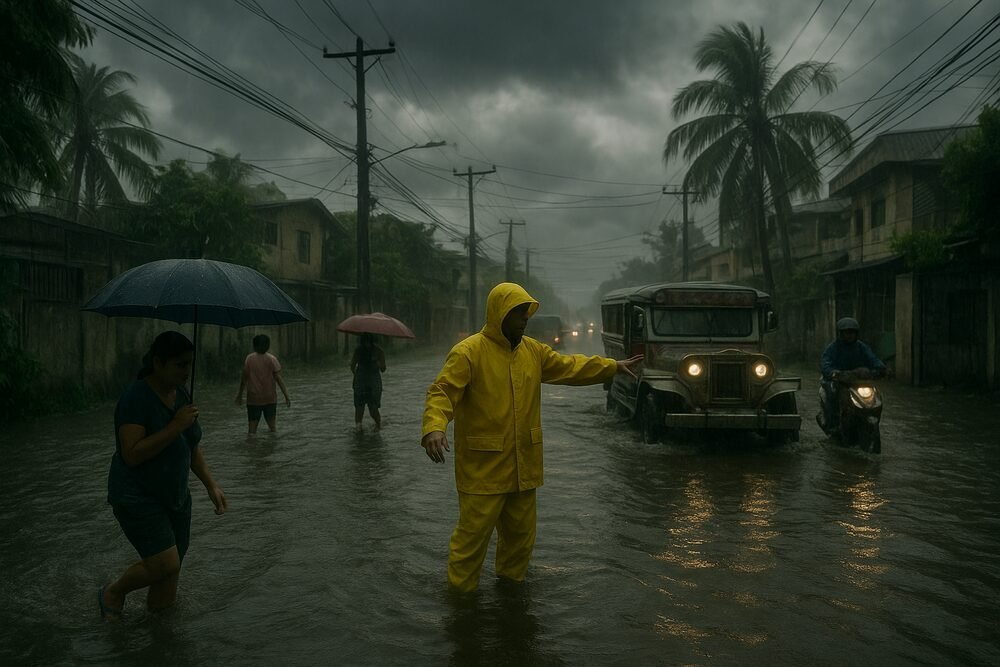
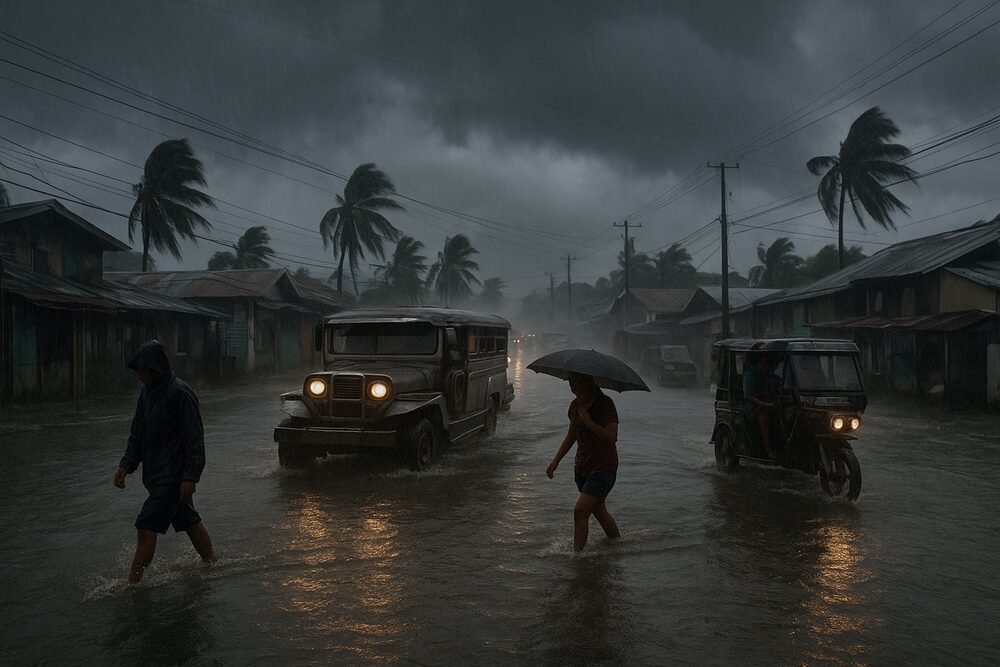
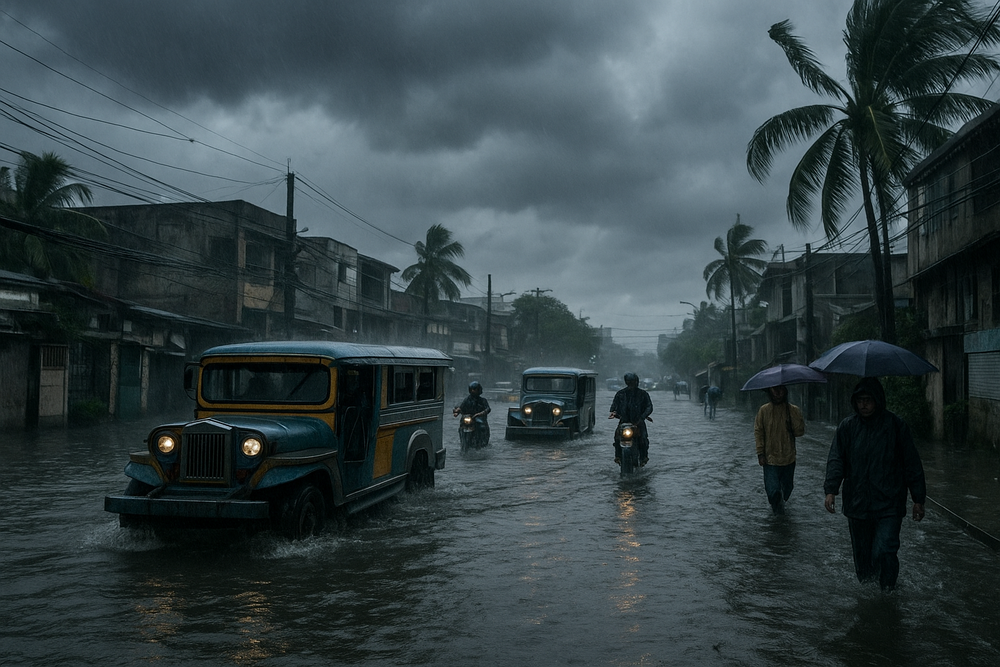
The Philippine Atmospheric, Geophysical and Astronomical Services Administration (PAGASA) reported that while no low pressure areas are currently being monitored and no tropical cyclone is expected to form in the next two to three days, the combined effects of the amihan and the shear line could still trigger flash floods and landslides in vulnerable communities.
Amihan Dominates Luzon
The northeast monsoon—a seasonal wind system that typically brings cooler air and light rainfall—now prevails over most of Luzon and parts of the Visayas.
Areas including Cagayan Valley, Apayao, Kalinga, Mountain Province, Ifugao, Aurora, and Quezon are experiencing cloudy skies with light rains, conditions that PAGASA described as unlikely to cause significant disruption. Metro Manila and the rest of Luzon are seeing partly cloudy to cloudy skies with isolated light showers.
The current surge of the monsoon, reported earlier this week, has strengthened winds over Luzon’s coastal waters. PAGASA warned that moderate to strong northeast winds are generating moderate to rough seas, posing risks to small fishing vessels and inter-island travel.
Shear Line Brings Heavier Rains Elsewhere
While Luzon contends with relatively lighter rainfall, a shear line—formed when cold northeast monsoon winds collide with warmer Pacific air—continues to affect parts of Mindanao and the eastern Visayas.
Regions including Caraga, Davao Region, Northern Mindanao, SOCCSKSARGEN, Eastern Samar, Samar, Biliran, Leyte, Southern Leyte, Cebu, Bohol, Basilan, Sulu, and Tawi-Tawi are experiencing cloudy skies with scattered rains and isolated thunderstorms.
“These areas will experience cloudy skies with scattered rains and isolated thunderstorms, which may trigger flash floods or landslides, especially during moderate to heavy rainfall,” PAGASA said in its advisory.
The agency stressed that residents in low-lying and mountainous areas should remain vigilant, particularly during prolonged downpours.
Understanding the Weather Systems
The interaction between the monsoon and the shear line can be visualized as a boundary where two opposing air masses meet—like currents colliding beneath the ocean’s surface. According to PAGASA meteorologist Loriedin de la Cruz-Galicia, “The northeast monsoon extends nearly to the Visayas at its lower section, where we can identify the axis of the shear line. This marks the area where the northeast winds meet the easterly winds.”
It is along this atmospheric fault line that cloud formations thicken and rainfall intensifies.
Communities on Alert
Local government units across affected regions have been tasked—under the country’s disaster risk reduction laws—to monitor conditions closely and activate early warning systems if necessary. The Philippine Disaster Risk Reduction and Management Act of 2010 mandates preparedness measures, including preemptive evacuations in high-risk zones.
Residents in flood-prone communities remain particularly vulnerable. PAGASA urged the public to continue monitoring official announcements and to follow guidance from local authorities.
Transport, Agriculture Feel Effects
The rough coastal waters off Luzon’s eastern seaboard have already prompted caution among fisherfolk and shipping operators. Smaller vessels face heightened risk in choppy conditions, potentially affecting local fish supplies and trade routes.
For farmers in northern Luzon, light monsoon rains may benefit crops dependent on steady moisture. But in areas affected by heavier downpours, especially along the shear line, excessive rainfall could damage fields and trigger soil erosion.
In urban centers, including Metro Manila, intermittent rains and overcast skies have caused minor disruptions—slower commutes, dampened outdoor commerce, and the familiar gridlock that follows even short bursts of rain.
No Cyclone Threat—for Now
Despite the unsettled weather, PAGASA emphasized that no tropical cyclone formation is expected in the immediate term. The absence of a brewing storm offers some relief to disaster agencies already managing the seasonal monsoon’s effects.
Still, officials caution that even without a named storm, the steady interplay of wind systems over the archipelago can produce significant rainfall events. As the amihan continues its winter grip over Luzon, authorities are reminding the public that vigilance—not alarm—remains the order of the day.