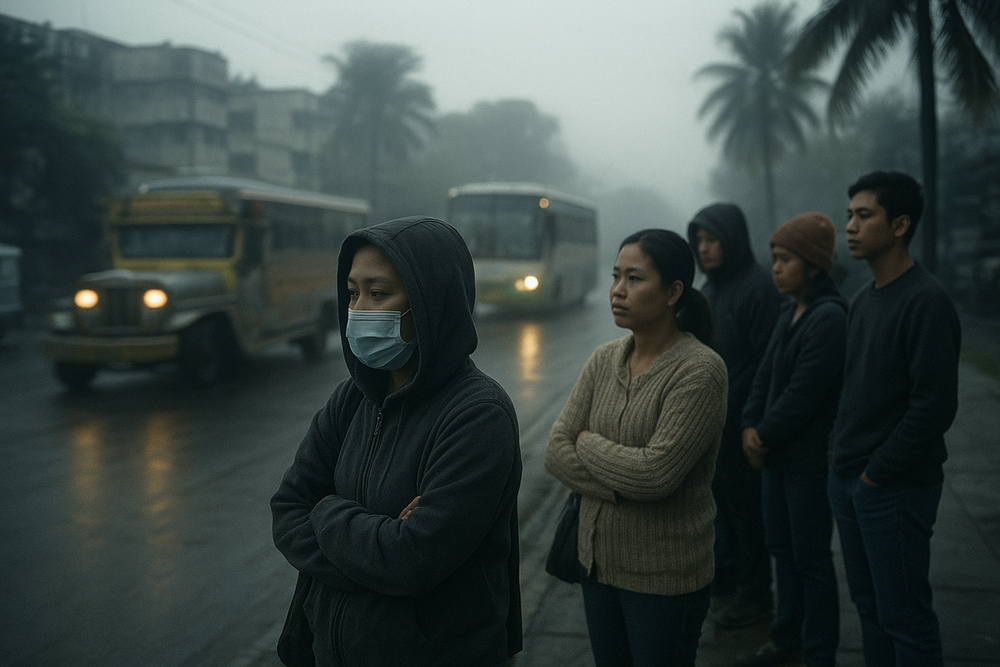
Cloudy skies, cooler air and light rains are set to linger over large swathes of the Philippines as the northeast monsoon, locally known as amihan, reaches its seasonal peak, prompting daily temperature drops that have brought rare chills to both mountain towns and lowland cities.
Weather forecasters said the prevailing monsoon will continue to influence conditions over Northern and Central Luzon, including Metro Manila, through the end of January, with early mornings feeling markedly colder and skies remaining largely overcast.
A Cold Snap at the Heart of the Dry Season
The Philippine Atmospheric, Geophysical and Astronomical Services Administration (PAGASA) confirmed that the current amihan surge is driving temperatures to their lowest levels this season. In Baguio City, the country’s summer capital, the mercury slid to 10.6°C on January 23, the coldest recorded so far this amihan period.
Metro Manila, where winters are more often felt than measured, has also felt the difference. Quezon City dipped to 19.6°C on January 22, the lowest temperature logged in the capital this season.
“There is a possibility kasi nag e-enhance pa lang ang Amihan kaya talagang bababa pa,” said PAGASA chief meteorologist Engr. Jose Estrada Jr., noting that temperatures could still fall further before settling near the 20°C mark in lowland areas.
Light Rains Sweep the North
Beyond the chill, the monsoon continues to pull moisture across the archipelago. PAGASA expects light to isolated rains over Cagayan Valley, the Cordillera Administrative Region, the Ilocos Region, Aurora, Central Luzon and Metro Manila between January 26 and 28.
PAGASA weather specialist Loriedin de la Cruz-Galicia described the amihan as affecting “most of the country,” bringing cloud cover and intermittent rain rather than the heavy downpours typical of the wet season.
Humidity across amihan-affected areas remains relatively moderate at 75 to 80 percent, adding to the crisp feel of early mornings compared with the usual tropical dampness.
Mountain Lows, Lowland Chills
The cold is most pronounced in elevated areas. PAGASA warned that mountainous parts of Benguet could see temperatures fall to 6–7°C, while low-lying cities such as Dagupan may continue to hover around 19–20°C into early February.
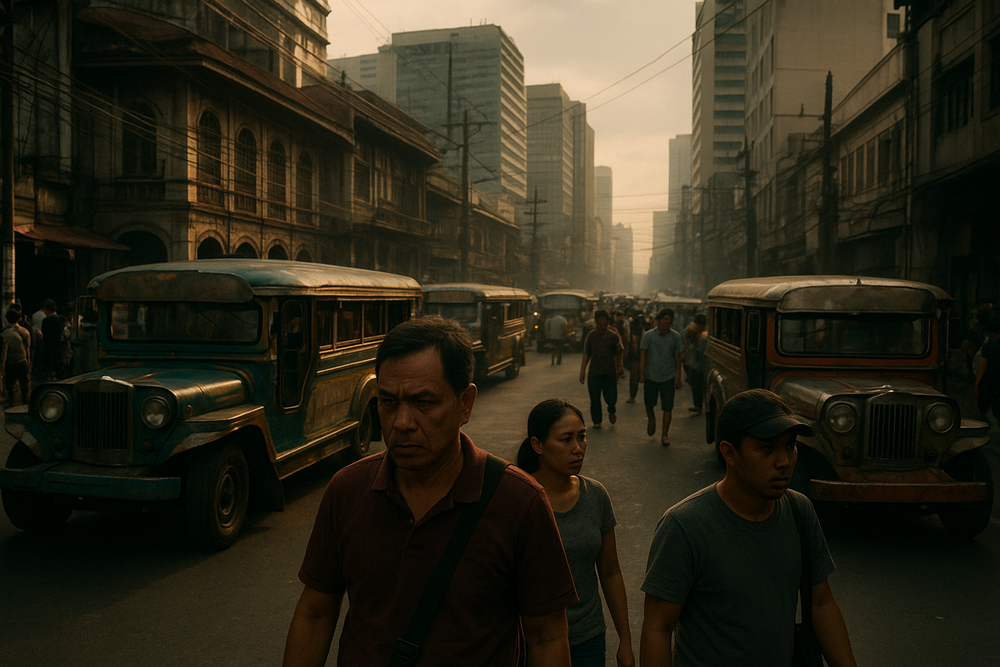
For many Filipinos, the sensation is as striking as the figures. Jackets and sweaters have reappeared on pre-dawn commutes, with jeepney passengers and sari-sari store vendors taking refuge in warm drinks as the day begins.
Calmer Seas Bring Relief to Fishing Communities
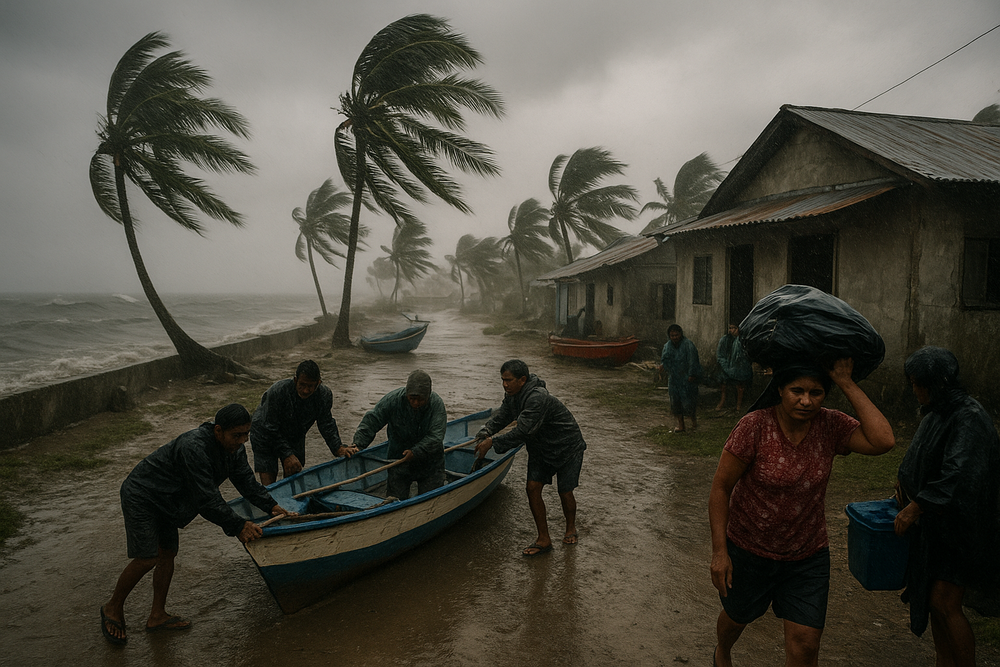
Along the west coast of Luzon, particularly in Pangasinan, improving sea conditions have allowed fishermen to cautiously resume operations after months of rough waters.
“May mga nahuhuli na kami, kahit pakonti-konti, pero mas okay na ngayon,” said fisherman Enzo Paras, describing a gradual return of small daily catches.
His father, Sotero Paras, expects conditions to steadily improve. “Pagdating ng March dire-diretso na ‘yan, wala na kasing alon na maglalakas,” he said, projecting calmer seas by early spring.
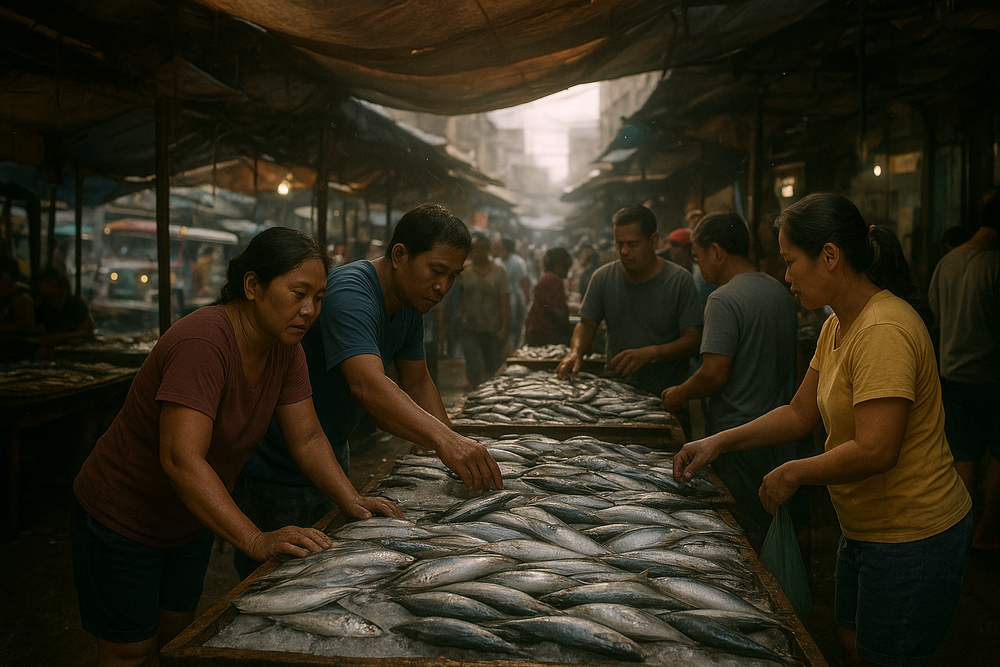
The easing waves have helped stabilize fish supplies in local markets, offering modest relief to household budgets strained by weeks of limited catch.
No Storms on the Horizon—for Now
PAGASA said there are no tropical cyclones currently threatening the country. A low-pressure area spotted roughly 765 kilometres east of Hinatuan, Surigao del Sur remains outside the Philippine Area of Responsibility and poses minimal risk.
Looking ahead, forecasters estimate that four to eleven tropical cyclones could develop between February and July 2026, though these projections remain broad and subject to change.
A Season That Shapes Daily Life
Running from October to early March, the amihan season is often described as the Philippines’ closest equivalent to winter. While it rarely disrupts economic activity in the way typhoons do, it subtly reshapes daily routines.
In rural communities, light rains can delay farm work and outdoor chores. In cities, the cooler air has earned affectionate nicknames as “cuddle weather,” encouraging families to spend more time indoors.
For now, PAGASA advises residents to stay informed, dress warmly during early hours and remain cautious at sea, even as conditions gradually normalize. As the monsoon loosens its grip in the coming weeks, the brief taste of cold will give way once more to the familiar tropical heat.