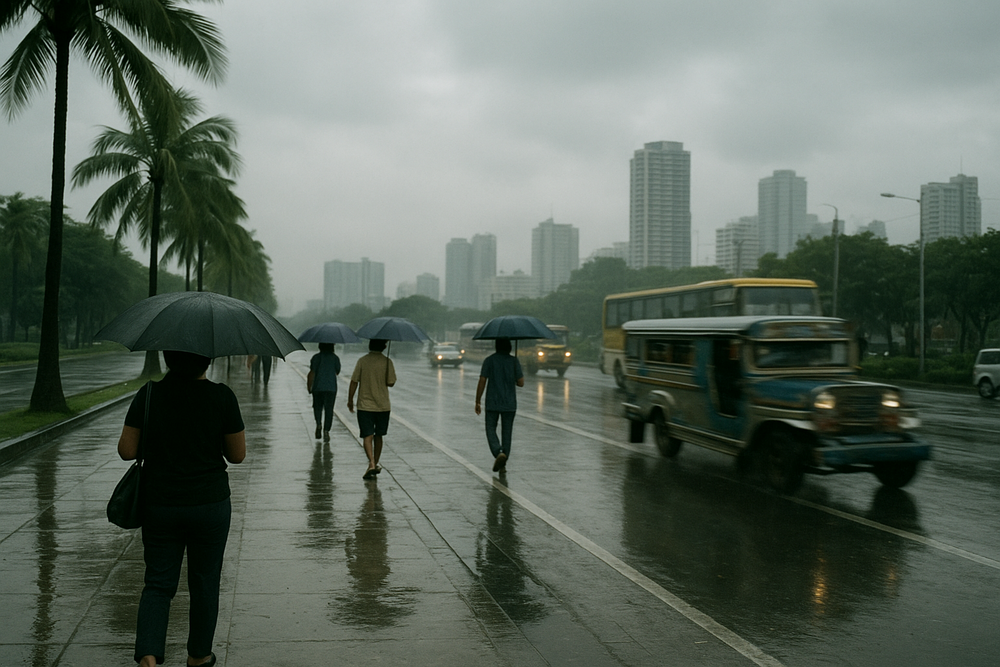
PAGASA has forecast a sustained run of colder, cloud-laden days as January draws to a close, with the northeast monsoon — locally known as Amihan — tightening its grip over much of the Philippines. The state weather bureau says the seasonal wind system will continue to drive down temperatures across Luzon and parts of the Visayas, bringing light rains to wide areas and pushing nighttime lows to rare levels, particularly in upland communities.
On January 29, Metro Manila recorded a minimum temperature of 19.2°C, the coldest so far this Amihan season. In the mountainous regions of Luzon, PAGASA warned that temperatures could plunge further to 7.5°C before the month ends — conditions more reminiscent of a temperate winter than a tropical dry season.
Amihan settles in as January winds down
Weather analysts at PAGASA say the northeast monsoon now dominates atmospheric conditions over Luzon and much of the Visayas, acting like a persistent conveyor of cool, dry air from mainland Asia. As the air mass travels southward, it collides with warmer air over the archipelago, producing low clouds and intermittent rain.
“The northeast monsoon, or amihan, continues to dominate over Luzon and much of the Visayas, resulting in cloudy skies and precipitation in the eastern regions of Northern and Central Luzon,” said Loriedin de la Cruz-Galicia, a PAGASA weather expert.
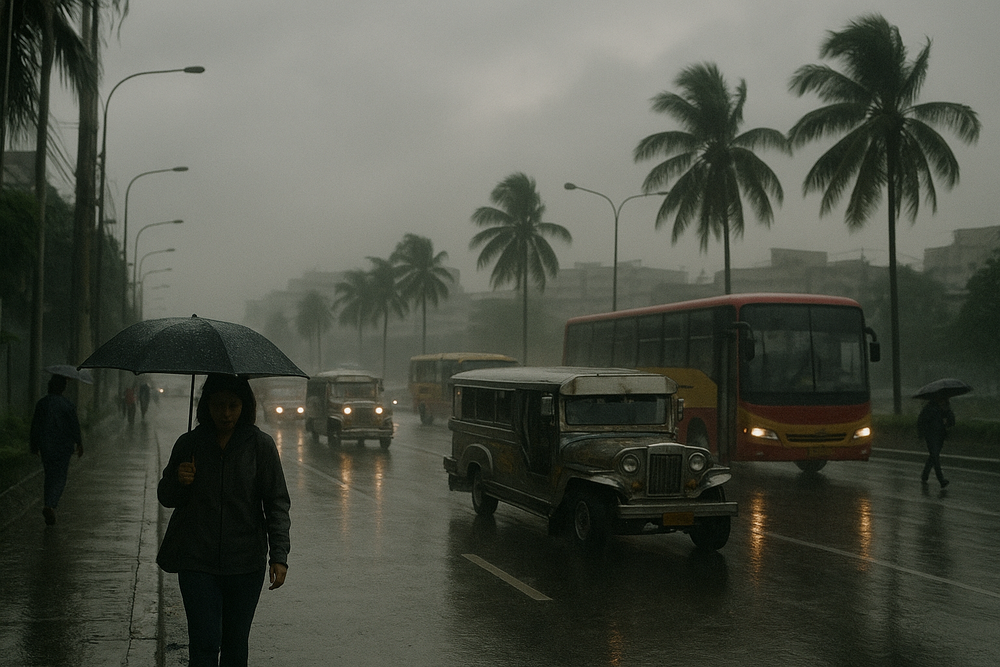
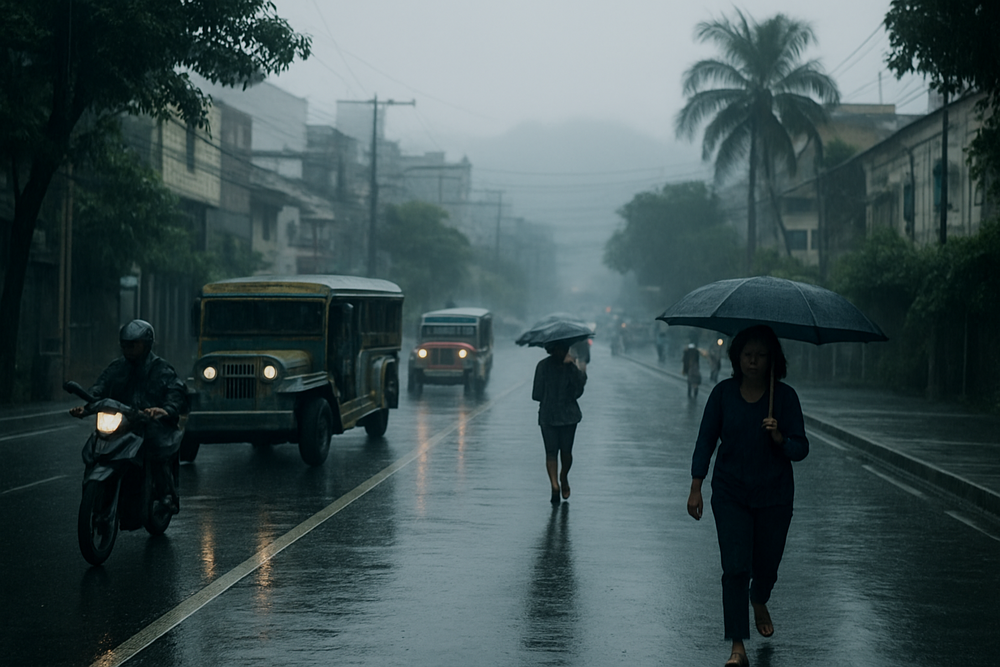
Light rains are expected over Cagayan Valley, most of the Bicol Region, Western Visayas, and several Luzon provinces including Apayao, Kalinga, Mountain Province, Ifugao, Aurora, and Quezon. Metro Manila will see sporadic drizzle and persistent cloud cover, enough to cool evenings but unlikely to cause widespread disruption.
Shear line raises flood and landslide concerns
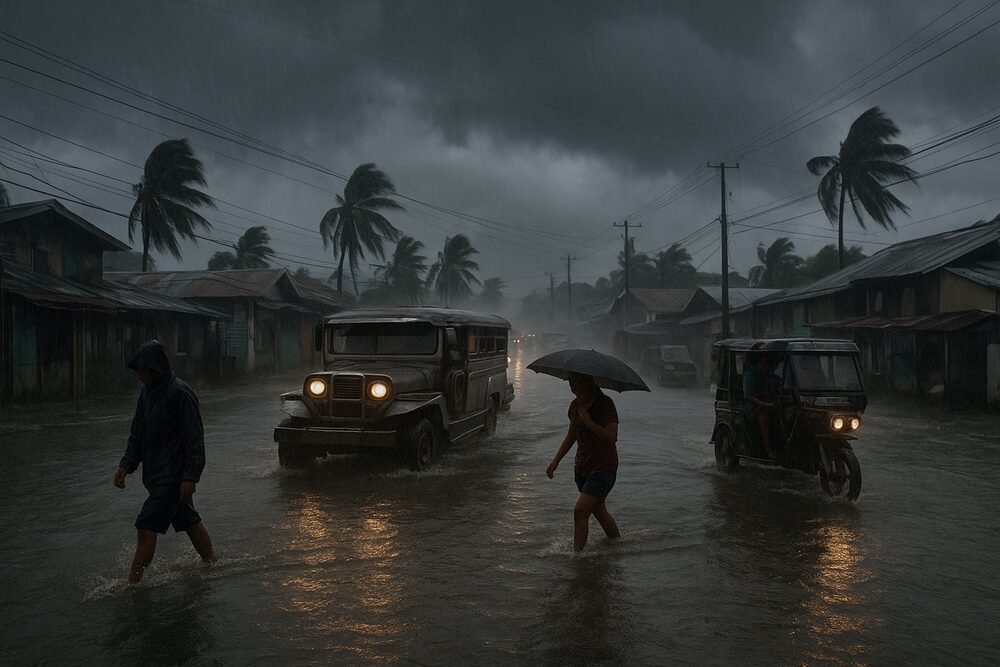
Farther south, PAGASA is monitoring the interaction between Amihan and a shear line — a boundary where cold and warm air masses meet — affecting parts of the eastern Visayas and Mindanao. This phenomenon is expected to trigger moderate to heavy rains in vulnerable regions.
Areas under watch include Caraga, the Davao Region, SOCCSKSARGEN, Eastern Samar, Leyte, Southern Leyte, Camiguin, Misamis Oriental, and Bukidnon.
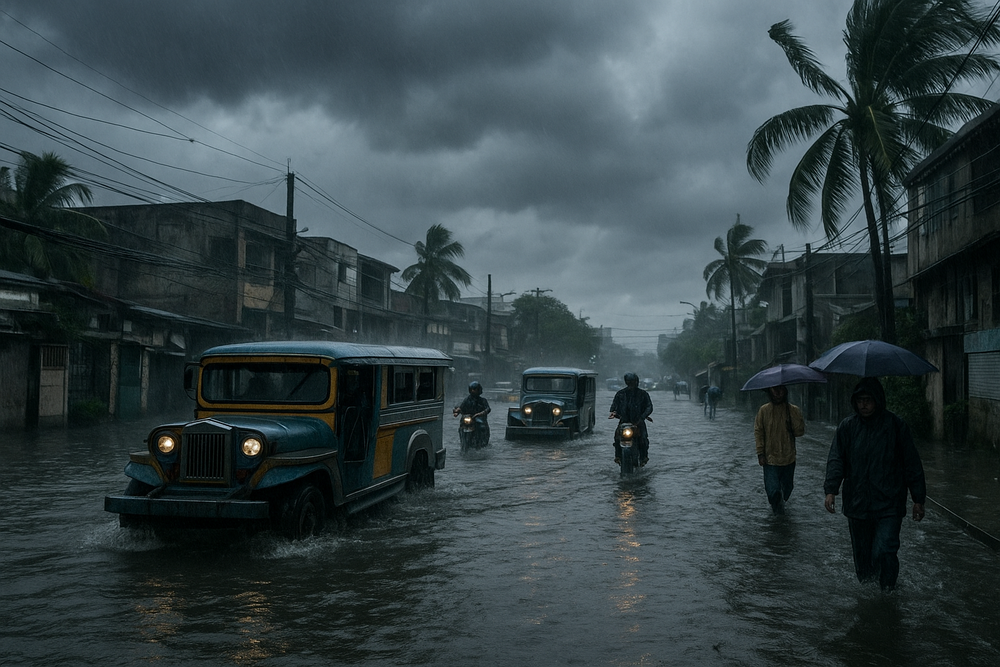
“PAGASA warned residents in these areas of possible flash floods and landslides, especially in low-lying and mountainous communities,” the agency said in a forecast summary, urging local governments to keep drainage systems clear and communities alert during periods of intense rain.
No typhoons, but rougher seas in the north
Despite the unsettled weather, PAGASA stressed that no low-pressure areas or tropical cyclones are present within the Philippine Area of Responsibility. The current conditions, officials say, are consistent with a typical Amihan pattern rather than a developing storm threat.
Still, the monsoon’s strength will be felt at sea. Moderate to strong northeasterly winds are forecast over Northern Luzon, resulting in moderate to rough sea conditions. Elsewhere, winds will be light to moderate from the east to northeast, with generally slight to moderate seas — a configuration that may complicate small-scale fishing and inter-island travel in northern waters.
Coldest nights felt in homes and streets
For ordinary Filipinos, the cooling trend has translated into subtle but tangible changes in daily life. In urban centers like Metro Manila, residents have dusted off light jackets and added blankets at night as temperatures dipped below the usual January norms. In the highlands of Luzon, where mercury readings are projected to fall below 10°C, families are bracing for biting early-morning cold.
The chill has also affected livelihoods. Light rains and damp streets shorten working hours for jeepney drivers, street vendors, and construction laborers in Luzon and the Visayas. In Mindanao’s shear line zones, farmers report delays in fieldwork as waterlogged soil and safety concerns slow planting and harvesting.
Health workers note a seasonal rise in coughs and colds, prompting higher demand for over-the-counter medicine, though no unusual outbreaks have been reported. Markets and schools remain open, with routines largely intact — umbrellas in hand and earlier nights in search of warmth.
Monitoring continues under PAGASA mandate
PAGASA, operating under its mandate defined by Republic Act No. 10692, says it will continue issuing daily bulletins and updating advisories as conditions evolve. Officials emphasize that the current outlook points to persistence rather than escalation.
“This weather outlook will be updated if significant changes in the weather pattern occur,” said Juanito S. Galang, chief of PAGASA’s Weather Division.
As January closes, the Amihan is expected to remain a steady — if chilly — presence, offering relief from tropical heat while reminding communities, especially in flood- and landslide-prone areas, that even routine seasonal systems demand vigilance.