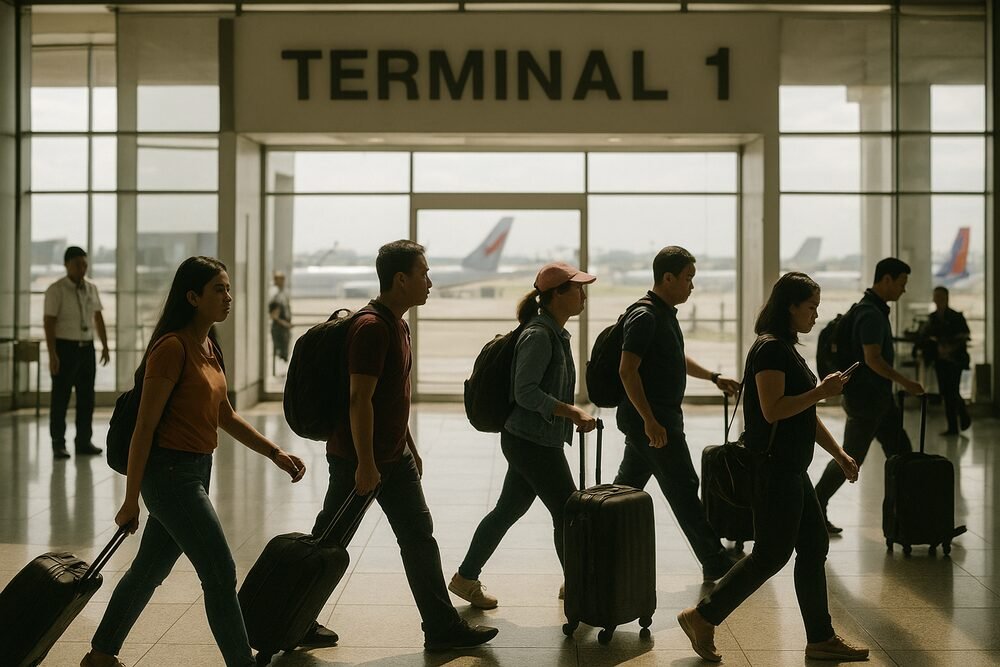
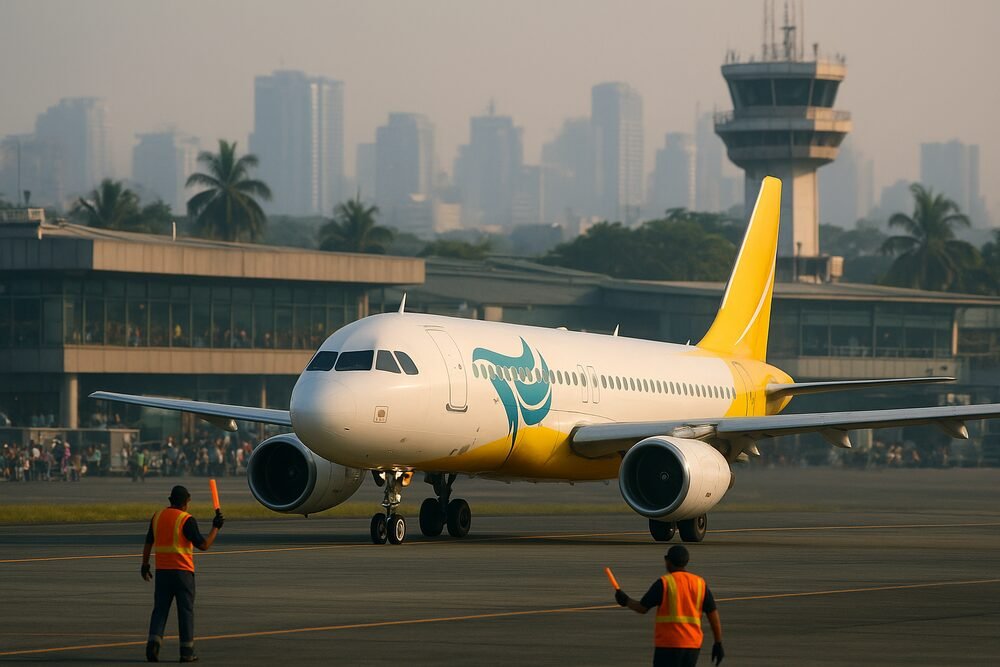
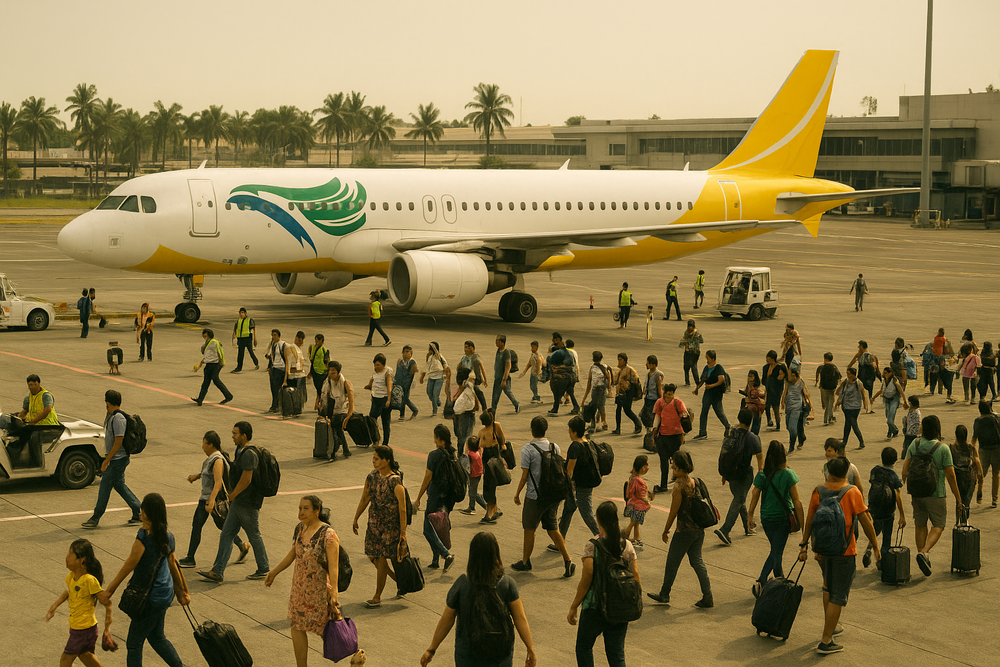
All international flights operated by AirAsia Philippines and AirAsia Malaysia will move from Ninoy Aquino International Airport (NAIA) Terminal 3 to Terminal 1 starting March 29, 2026, in the latest shake-up under a broader effort to streamline operations at the country’s main gateway.
The transfer covers all check-in counters, boarding gates and baggage claim services for affected flights. Despite the change in venue, the airline emphasized that flight schedules and departure times will remain unchanged.
The move is part of a terminal reassignment program led by the New NAIA Infrastructure Corporation (NNIC), the private concessionaire managing the airport. The initiative aims to rebalance airline allocations across terminals and ease longstanding congestion problems.
What Will Change on March 29
In an official advisory issued on Feb. 25, AirAsia Philippines announced:
“Starting March 29, 2026 (Sunday), all International flights of AirAsia Philippines (Z2) and AirAsia Malaysia (AK) will transfer from Ninoy Aquino International Airport (NAIA) Terminal 3 (T3) to Terminal 1 (T1).”
The airline clarified that “only the terminal will be changed while the flight schedule remains the same.”
The reassignment includes 10 international routes operated by AirAsia Philippines, with destinations such as:
Narita, Japan
Nagoya, Japan
Kaohsiung, Taiwan
Kuala Lumpur, Malaysia
Bangkok, Thailand
Hong Kong
Macau
AirAsia Malaysia’s Manila–Kuala Lumpur route and corresponding inbound services will also move to Terminal 1.
Domestic flights operated by AirAsia Philippines will remain at Terminal 2, with no operational changes.
A Broader Terminal Reshuffle
The relocation does not stand alone. It forms part of NNIC’s wider terminal reallocation strategy, which includes shifting several foreign carriers between terminals in the coming weeks.
Airport authorities have framed the move as a necessary step to improve passenger flow and better match airline operations with terminal capacity. NAIA has long operated beyond its intended limits, often likened to a bus terminal handling the traffic of a modern rail hub.
By consolidating AirAsia’s international services at Terminal 1, airport managers aim to create clearer passenger distribution across facilities while infrastructure upgrades continue.
What Passengers Need to Know
For travelers, the change requires careful attention — particularly for overseas Filipino workers (OFWs), budget travelers and families who frequently use AirAsia’s low-cost international routes.
The airline has advised passengers to arrive early at the new departure point:
“Guests are advised to arrive at the new NAIA Terminal (T1), at least 3 hours prior to the scheduled departure time and refer to the terminal signage for direction and assistance.”
AirAsia said affected guests will be notified through their registered email addresses and mobile numbers.
Terminal confusion has historically been one of NAIA’s most persistent passenger complaints. A wrong turn between Terminals 1, 2 and 3 can mean the difference between a smooth check-in and a missed flight. With the new arrangement taking effect on a Sunday — typically a peak travel day — authorities are urging travelers to double-check terminal details before heading to the airport.
Operational and Community Impact
While the reassignment primarily affects international passengers, it may also alter foot traffic patterns inside NAIA. Ground handlers, concessionaires and transport providers at Terminal 1 are likely to see increased activity, while some service demand could shift away from Terminal 3.
No employment impacts have been publicly disclosed.
For the flying public, however, the immediate concern is clarity. In a complex airport system, even minor adjustments can ripple outward. The success of the transition will depend largely on effective passenger communication and on-the-ground coordination during the first weeks of implementation.
A Continuing Evolution at NAIA
The March 29 transfer underscores the continuing transformation of NAIA under private management. NNIC has embarked on a series of operational reforms intended to decongest terminals and modernize passenger handling at the aging airport, which remains the Philippines’ primary international gateway.
Whether the redistribution of airlines will significantly reduce crowding and delays remains to be seen. For now, the immediate takeaway for travelers is simple but crucial: Check your terminal before heading to the airport.
Beginning March 29, AirAsia’s international journeys from Manila will depart from a different doorway — one that passengers will need to remember long before they reach the check-in counter.