The Armed Forces of the Philippines (AFP) on Tuesday publicly reaffirmed its non-partisan stance as impeachment complaints targeting the country’s two highest elected officials moved through Parliament, underscoring the military’s intent to remain a stabilising force amid a rapidly polarising political landscape.
Military Draws a Firm Line Between Politics and Security
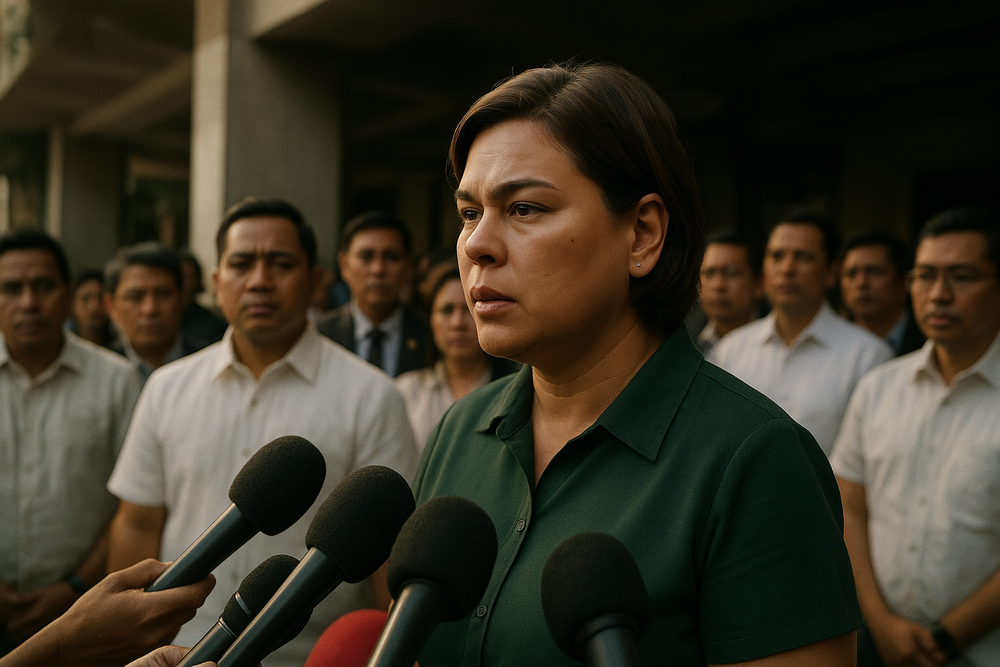
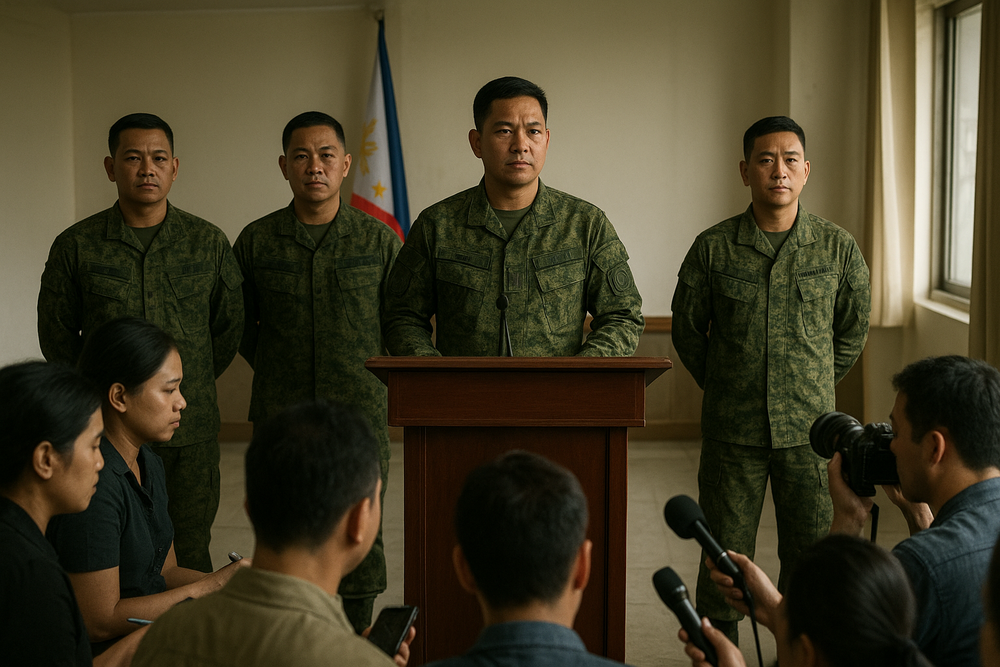
Briefing reporters in Manila, AFP Chief of Public Affairs Colonel Xerxes Trinidad said the armed forces would not be drawn into political disputes sparked by impeachment proceedings against President Ferdinand Marcos Jr. and Vice President Sara Duterte.
“We will remain non-partisans for we are a professional and disciplined organization,” Trinidad said, adding that the filing of impeachment complaints was part of constitutionally protected democratic rights. He stressed that the AFP’s role was to support civilian authorities if unrest emerged, not to take sides.
In practical terms, he said, law enforcement agencies would remain in the lead, with the military providing assistance only if required to maintain peace and order across the archipelago.
Two Complaints Against Marcos Dismissed
The AFP’s reassurance came a day after the House of Representatives’ justice committee dismissed two impeachment complaints against President Marcos, ruling that the accusations were insufficient in substance and failed to establish constitutional grounds.
The complaints alleged, among other things, that Marcos enabled the alleged “kidnapping and surrender” of former president Rodrigo Duterte to the International Criminal Court, suffered from drug addiction, failed to veto contested provisions in the General Appropriations Acts from 2023 to 2026, and adopted a disputed infrastructure funding model known as the Baselined-Balanced-Managed Parametric Formula.
Members of the 46-strong justice committee voted by a clear majority to junk the cases, finding no direct or verifiable link tying the president to impeachable offences.
Marcos Camp Welcomes Decision, Critics Cry Foul
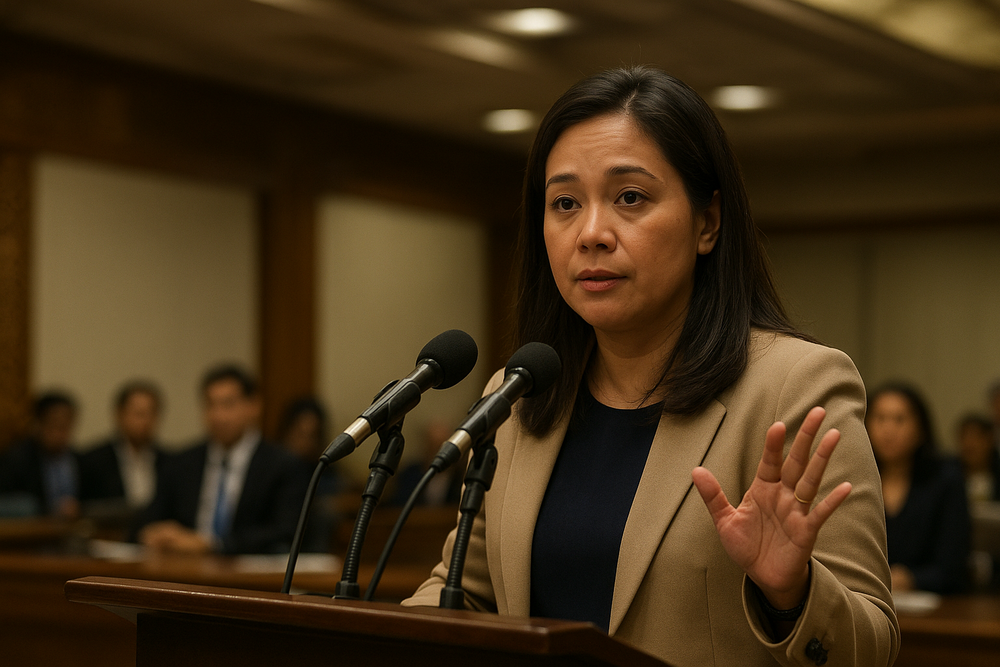
The administration welcomed the outcome. Presidential Communications Undersecretary Claire Castro said Malacañang was satisfied with the process, stating: “We’re happy that the process was followed and that the lawmakers recognized the real truth.”
Opposition figures were less convinced. Renato Reyes, who filed one of the complaints on behalf of the left-wing alliance Bayan, said the dismissal cut short a meaningful accountability process.
“We were prepared to present evidence at the next stage… What was only required at the current stage was a recital of the offenses that constitute betrayal of public trust,” Reyes said.
Duterte Faces Fresh and Costly Allegations
While Marcos emerged unscathed, the focus has sharpened on Vice President Sara Duterte. On Monday, a third impeachment complaint against her was formally transmitted to the Office of the House Speaker.
Filed by a coalition of religious groups, priests and lawyers, the complaint accuses Duterte of graft, corruption and betrayal of public trust, citing the alleged misuse of at least ₱612 million (about $10.3 million) in confidential funds during her tenure as vice president and earlier as education secretary.
The new filing follows previous complaints lodged earlier this month by civil society leaders and leftist groups. An earlier attempt to impeach Duterte in 2025 was dismissed by the Supreme Court on procedural grounds, triggering a one-year constitutional bar on refiling.
A Political Rift With National Implications
The parallel impeachment drives reflect a widening rift between Marcos and Duterte, former allies who rode a joint electoral mandate to power in 2022. Analysts say the breakdown of that alliance has recalibrated Philippine politics and raised the stakes of legislative confrontations in Congress.
For ordinary Filipinos, the concern is less about parliamentary arithmetic than about stability. Impeachment battles have historically acted like fault lines, capable of triggering protests and disrupting daily life if tensions spill onto the streets.
AFP’s Message to the Public: Stability First
Against that backdrop, the AFP’s declaration of neutrality was meant to reassure. Trinidad emphasised that the military would respect constitutional processes while remaining ready to support police forces if demonstrations escalated.
“Mayroon tayong mga law enforcement who are on the lead role and the AFP if needed, will be providing the support to our security counterparts,” he said.
For now, no widespread disruption has been reported. But as impeachment complaints advance and political rhetoric hardens, the military’s promise to stand apart from partisan battles may prove as crucial as any vote in Congress.