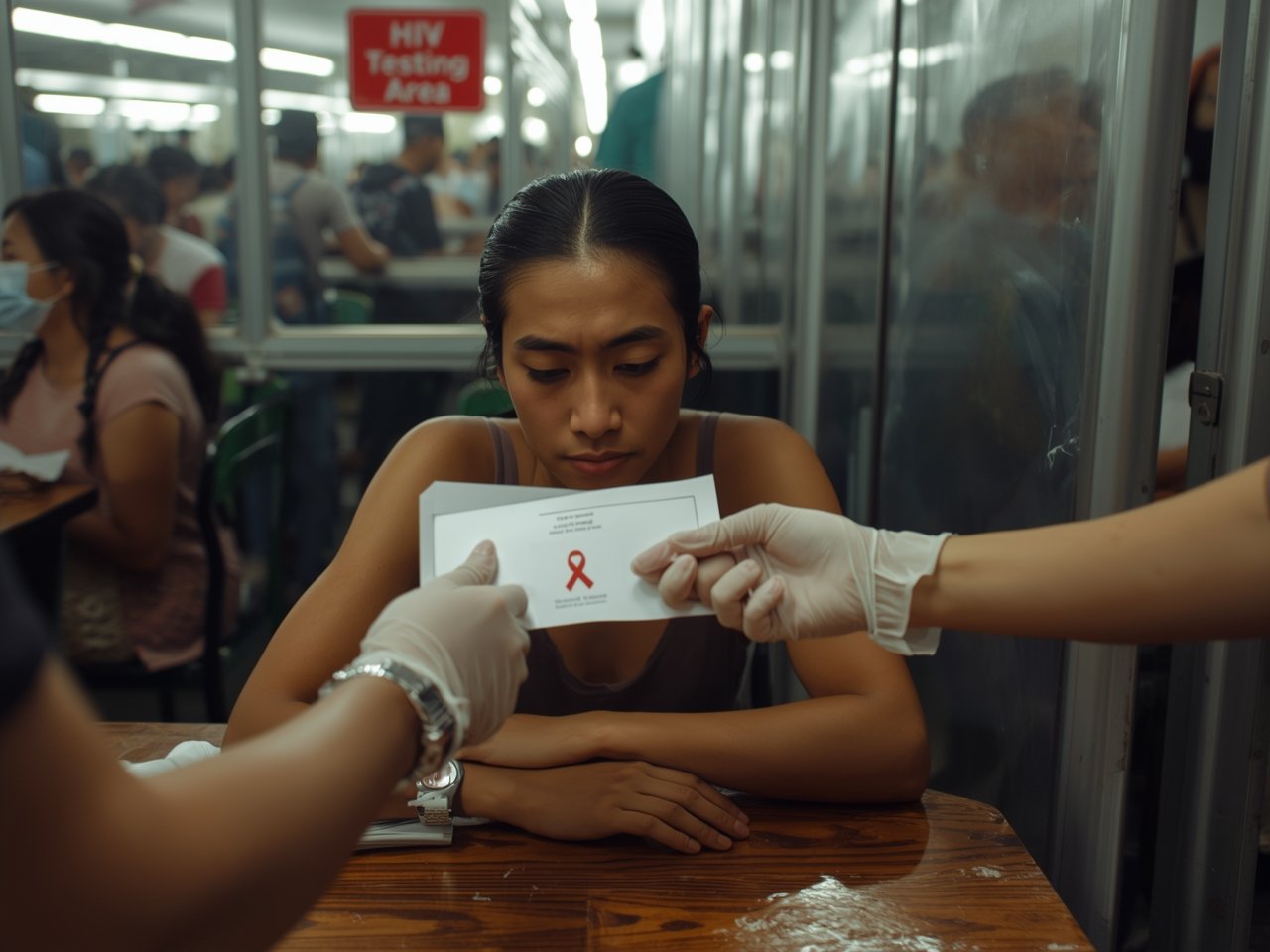
The Philippines is confronting a sharp and accelerating rise in HIV infections, marking the fastest-growing epidemic of its kind in the Asia-Pacific region. Public health data shows a surge that has outpaced global trends, prompting mounting concern among health authorities and renewed calls for urgent national action.
Escalating Infections Signal a Deepening Public Health Crisis
New HIV infections in the Philippines have climbed dramatically over the past decade. Between 2010 and 2023, annual cases increased by more than 540 percent. By 2025 an estimated 252,800 people are living with HIV. While many countries have seen declines or stabilization, the Philippines has moved in the opposite direction, becoming a regional outlier.
In 2024, new infections rose to 29,600, more than double the figure a decade prior. The upward momentum continued into 2025. In the first quarter alone, health authorities recorded 5,101 new diagnoses, a jump of about 57 percent compared with early 2024. From July to September another 5,583 cases were reported, averaging roughly 61 new infections per day.
Youth and Marginalized Groups Carry the Burden
The epidemic remains concentrated among specific demographic groups. Young Filipinos are increasingly affected, with about one third of new cases in early 2025 involving individuals aged 15 to 24. Men who have sex with men and other marginalized populations continue to account for most new infections.
Sexual transmission drives the epidemic, responsible for 96 percent of documented new cases in 2025. Regional data shows that the National Capital Region, CALABARZON, Central Luzon, Central Visayas, and the Davao Region accounted for 61 percent of new infections in the third quarter of 2025. In Central Visayas people aged 25 to 34 made up 42 percent of new cases, underscoring the epidemic’s concentration in young working-age adults.
Gaps in Diagnosis and Care Limit Progress
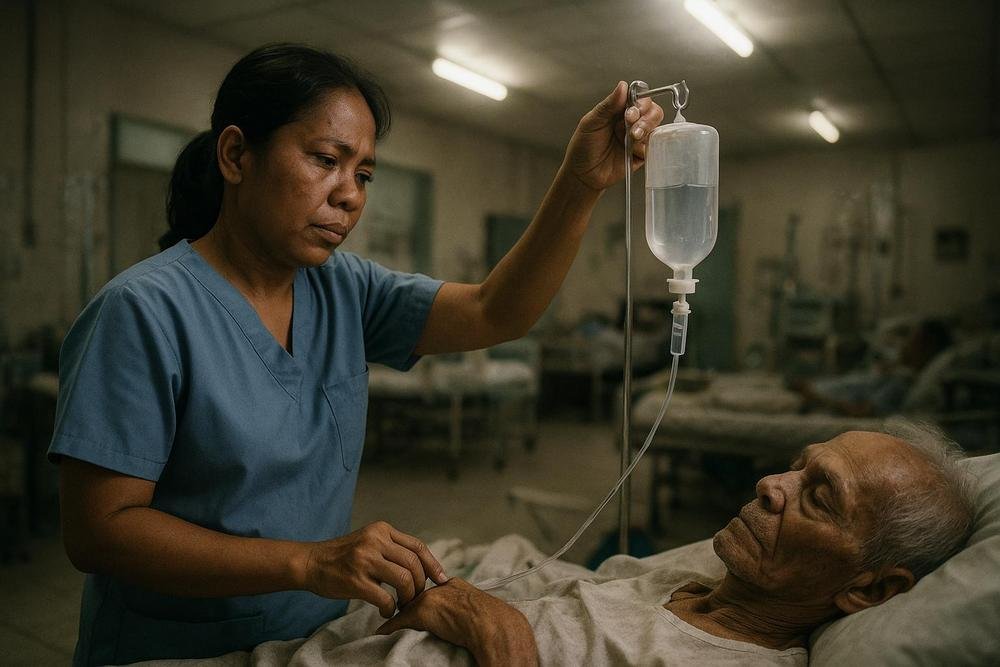
Despite rising infections, large gaps remain in detection and treatment. Out of the estimated national total of people living with HIV, only 55 percent have been formally diagnosed. Among those diagnosed, about 66 percent are on antiretroviral therapy.
Viral-load testing, a critical measure of treatment success, remains limited. Only 40 percent of individuals on treatment have undergone testing. Of those tested, about 36,630 have achieved viral suppression, amounting to about 40 percent of all individuals receiving therapy.
Many people are diagnosed at an advanced stage, which reflects limited access to testing, delayed care, and uneven health infrastructure. These factors place the country far from meeting global HIV targets for 2030.
Calls for Emergency Action Grow Louder
The alarm over rising infections reached a turning point on 3 June 2025, when the Department of Health formally proposed declaring HIV a national public health emergency. Officials cited a 500 percent increase in infections among young people aged 15 to 25 and highlighted the case of a 12-year-old child who received a diagnosis in Palawan.
Health agencies at the international level support the move, urging coordinated interventions across government, civil society, and local communities. The emphasis is on expanding testing, improving treatment access, and strengthening prevention efforts.
Stigma and Social Barriers Continue to Fuel the Epidemic
Structural and cultural barriers remain among the most difficult challenges. Stigma surrounding HIV, sexuality, and gender identity continues to discourage many from seeking testing or treatment. For men who have sex with men and young LGBTQ+ individuals, fears of judgment and discrimination often outweigh the perceived benefits of early diagnosis.
These social pressures reinforce delayed care and contribute to the rising number of advanced HIV cases. Limited awareness, uneven access to services, and insufficient viral-load monitoring compound the problem, creating gaps that allow the epidemic to spread unchecked.
Projections Point to a Worsening Outlook
Long-term models indicate that without major interventions the population of people living with HIV in the Philippines could exceed 400,000 by 2030. Rising numbers of advanced-stage diagnoses suggest a potential increase in AIDS-related illnesses and deaths if treatment coverage does not improve significantly.
Youth and marginalized populations remain particularly vulnerable. Experts warn that unless prevention, testing, and treatment expand rapidly the epidemic could deepen and place greater strain on public health systems.
Multiple Stakeholders Call for a Unified Response
Authorities and public health organizations continue to emphasize the need for large-scale, coordinated action. They argue that progress will depend on strengthening community outreach, ensuring consistent access to treatment, and reducing stigma that inhibits early diagnosis.
Affected communities highlight the persistent barriers they face, from social exclusion to fear of moral judgment. Medical specialists warn that without improved viral-load testing and earlier diagnoses, national efforts will fall short of slowing the epidemic.
The Road Ahead
The surge in HIV infections represents one of the most urgent public health challenges facing the Philippines today. Rising case numbers, widening treatment gaps, and deep-rooted stigma threaten to reverse years of global progress. The proposed emergency declaration underscores the seriousness of the crisis and the need for rapid, inclusive action.
Whether the Philippines can curb the epidemic will depend on sustained cooperation among government leaders, health institutions, community groups, and international partners. The next several years will be critical in determining whether the country can shift course and protect the communities most at risk.