Cloudy skies and scattered rains are set to persist across the Philippines as the northeast monsoon, locally known as amihan, continues to affect Northern Luzon while easterly winds dominate the rest of the country, according to the Philippine Atmospheric, Geophysical and Astronomical Services Administration (PAGASA). Authorities have raised gale warnings over northern seaboards, cautioning small vessels against venturing into rough waters.
In its latest bulletins, PAGASA said the weather systems are expected to influence conditions at least until March 9, 2026, bringing varied but largely manageable weather across the archipelago. No tropical cyclones are currently active, though a cloud cluster off eastern Mindanao remains under observation.
Amihan Brings Clouds and Rain to Northern Luzon
The northeast monsoon is driving the most significant weather over the country’s northernmost provinces. Batanes and the Babuyan Islands are forecast to experience cloudy skies with intermittent rainfall, while Apayao and mainland Cagayan can expect overcast conditions with light rains.
“Batanes and Babuyan Islands are expected to experience cloudy skies with a chance of rainfall due to the amihan,” PAGASA weather specialist Loriedin de la Cruz-Galicia said in a March 7 bulletin.
The Ilocos Region, the Cordillera Administrative Region, and the rest of Cagayan Valley will likely see partly cloudy to cloudy skies with isolated light rains.
By March 8 and 9, PAGASA indicated that the amihan, along with a trough of a low-pressure area, would continue to bring rains across parts of the country, particularly in the north.
Gale Warning Issued for Northern Seas
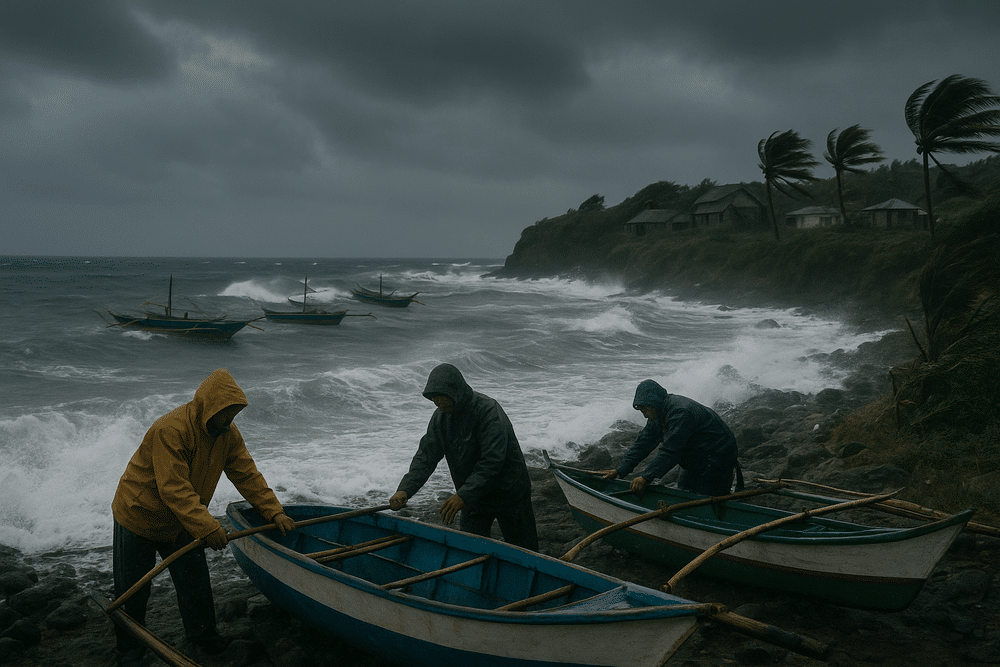
Alongside the rains, moderate to strong northeasterly winds are affecting Northern Luzon, generating moderate to rough coastal waters. Seas off Batanes and the Babuyan Islands remain particularly hazardous.
In a stark advisory, PAGASA warned: “Sea travel is dangerous for small vessels.”
The gale warning has direct implications for fisherfolk and inter-island transport operators, many of whom rely on daily voyages for livelihood. In coastal communities, even a brief suspension of sea travel can disrupt fish supply chains, pushing up prices in local markets and cutting income for families dependent on the day’s catch.
The Philippine Coast Guard and local government units are expected to enforce safety measures in line with national maritime regulations to prevent accidents in choppy waters.
Easterlies Trigger Isolated Showers Nationwide
Beyond Northern Luzon, easterly winds—warm, moisture-laden air flowing in from the Pacific—are shaping weather patterns across the rest of the archipelago, including Metro Manila.
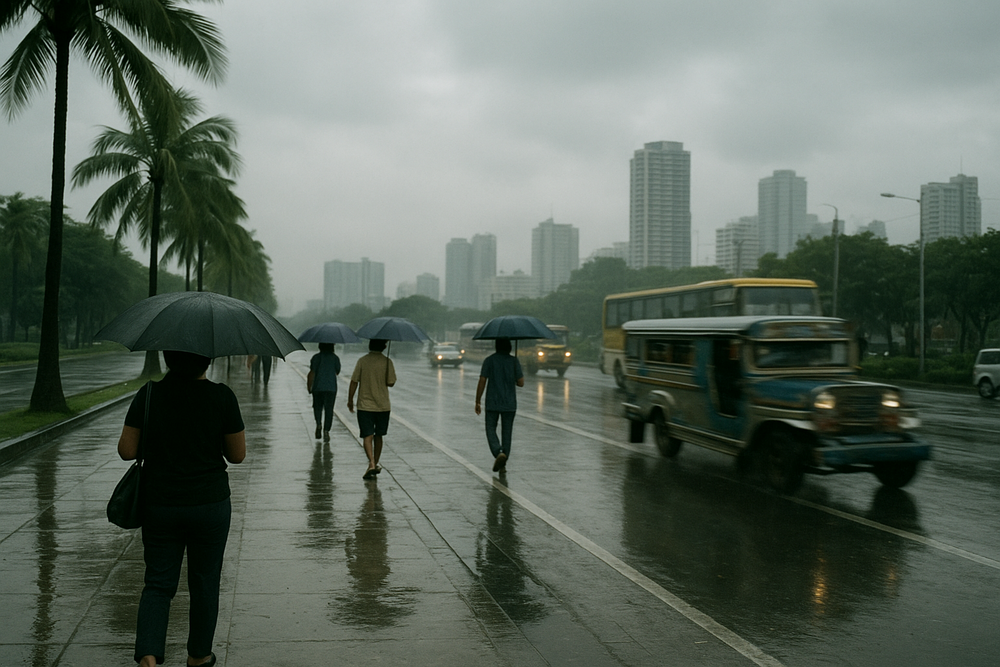
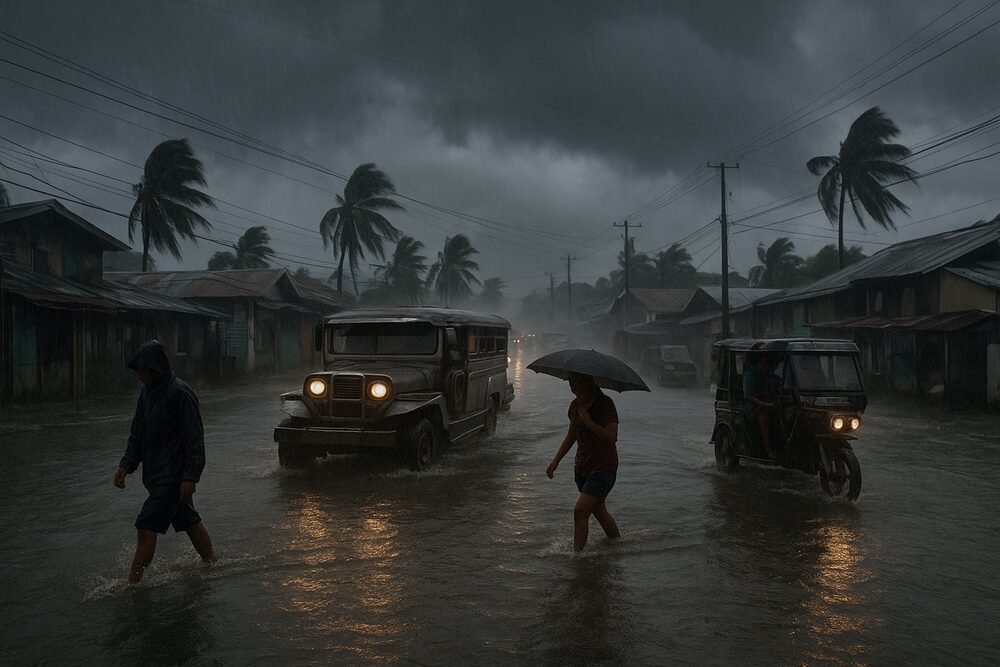
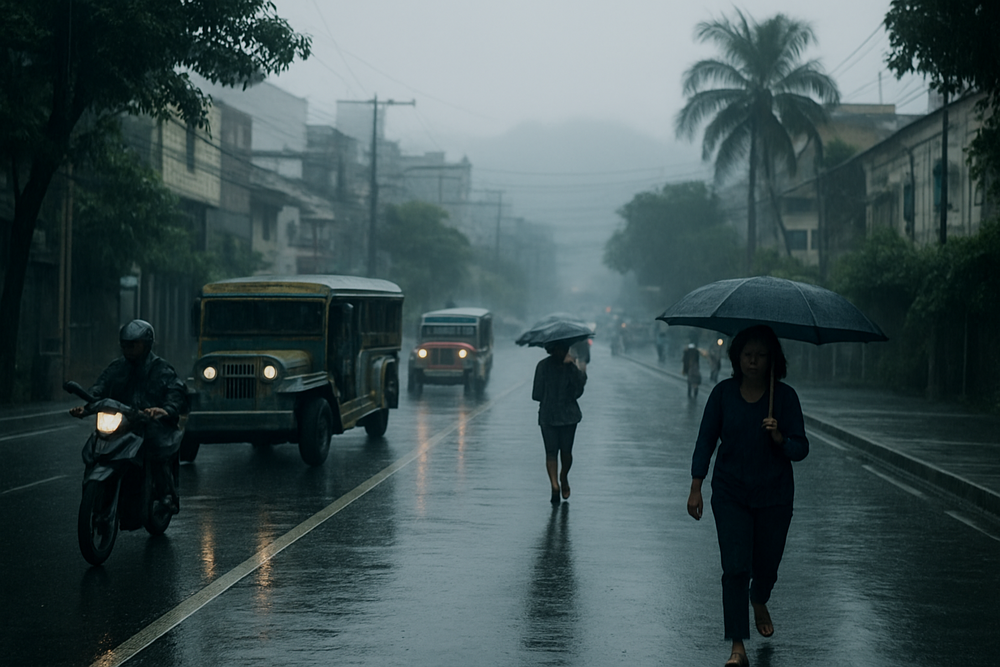
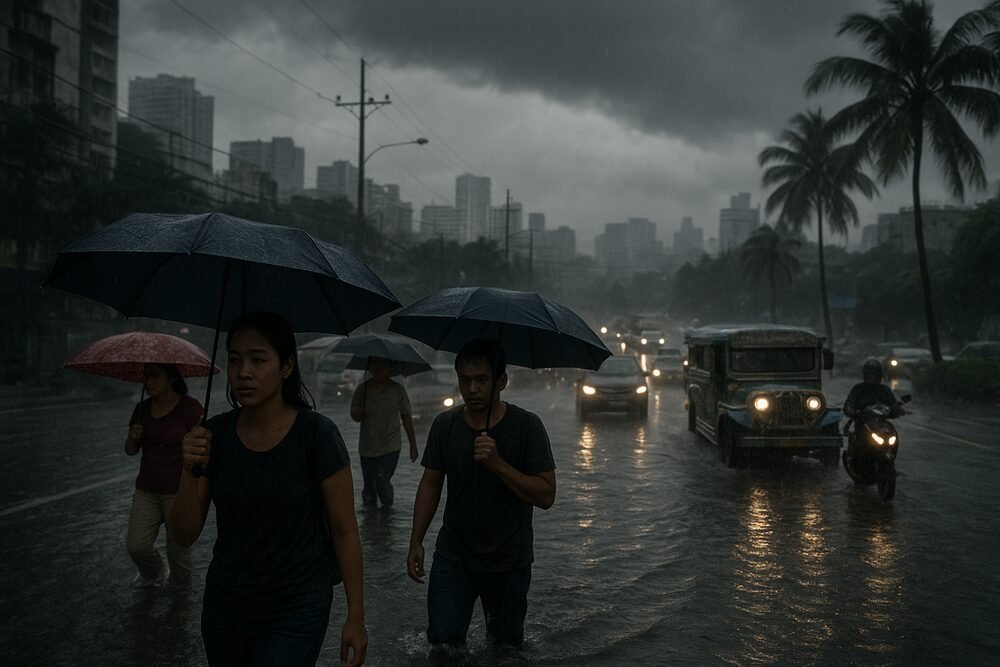
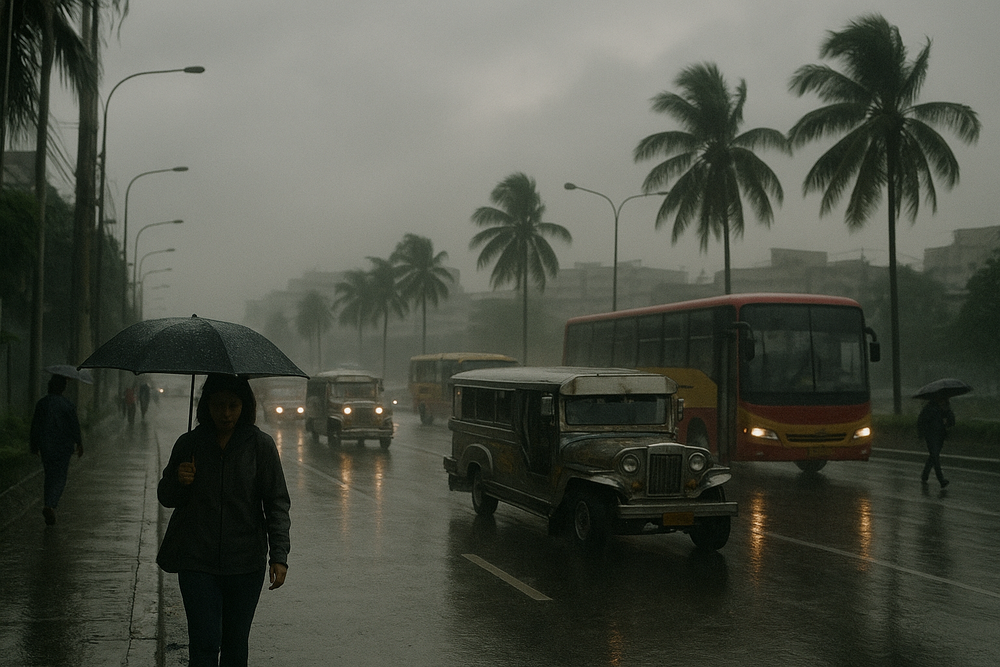
Residents can expect partly cloudy to cloudy skies with isolated rain showers or thunderstorms, particularly in the afternoon or evening. While these rains are generally brief, they can cause localized flooding in low-lying urban areas and snarl traffic during peak commuting hours.
Light to moderate easterly winds prevail elsewhere, with slight to moderate sea conditions—favorable for most maritime activities outside the gale-affected zones.
No Cyclones, But Monitoring Continues
As of the latest advisory, no tropical cyclones are active within or near the Philippine Area of Responsibility. However, PAGASA is monitoring a cloud cluster in eastern Mindanao for potential development into a low-pressure area.
For now, forecasters describe the prevailing systems as typical for the season—dynamic but not extreme. In a March 7 weather update, PAGASA stated, “The northeast monsoon or Amihan will continue to bring rains across northern Luzon.”
Impact on Daily Life
For many Filipinos, the effects of amihan and easterlies extend beyond gray skies.
- Fisherfolk in Northern Luzon face suspended trips and income uncertainty due to rough seas.
- Commuters in urban centers may encounter traffic delays and waterlogged streets during sudden downpours.
- Farmers must adjust planting schedules to shifting rainfall patterns.
- Daily wage earners, including construction workers and street vendors, risk lost income from rain-interrupted workdays.
In public markets, demand for umbrellas and rain gear typically rises during such periods, while disrupted fish landings can ripple into higher seafood prices.
Authorities Urge Vigilance
PAGASA, operating under its mandate to provide public weather forecasts and hazard warnings, continues to advise residents and mariners to monitor updates, especially in gale-affected areas.
While the current systems are not considered severe, officials stress that preparedness remains essential, particularly for communities exposed to rough seas and sudden thunderstorms. As the amihan strengthens northern winds and easterlies feed isolated rains elsewhere, the country settles into a familiar early March pattern—restless skies that demand steady caution.
Further updates are expected in PAGASA’s succeeding bulletins.