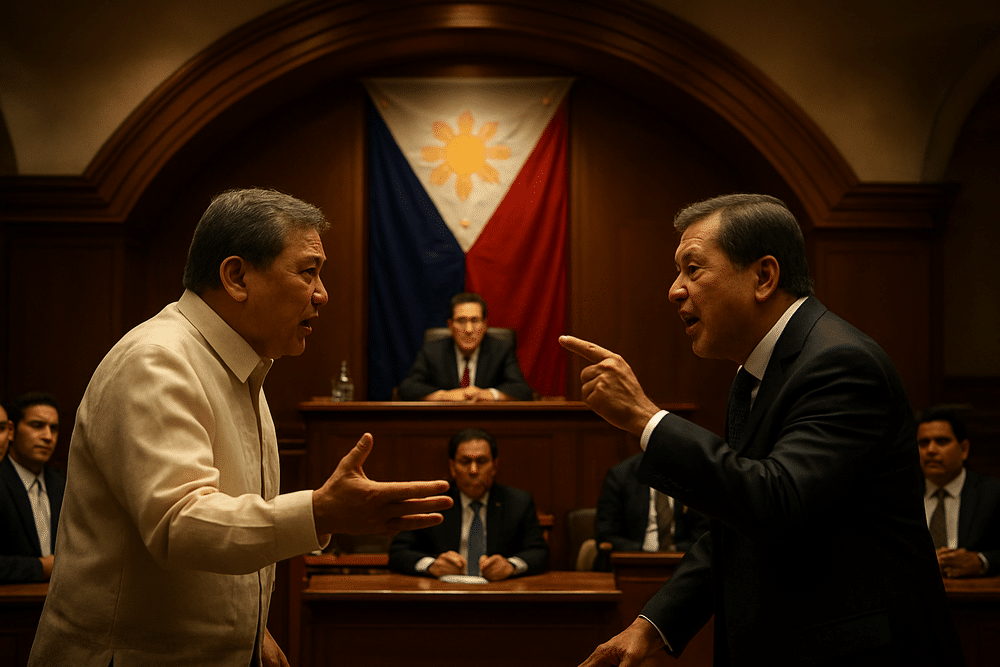
A sharp exchange between two senior Philippine senators has thrust the country’s West Philippine Sea policy back into the political spotlight, exposing deep divisions over sovereignty, accountability and national security. On March 10 and 11, Senators Panfilo “Ping” Lacson and Rodante Marcoleta publicly clashed over accusations that Marcoleta’s statements echo narratives promoted by China’s foreign ministry—an allegation Marcoleta forcefully denies.
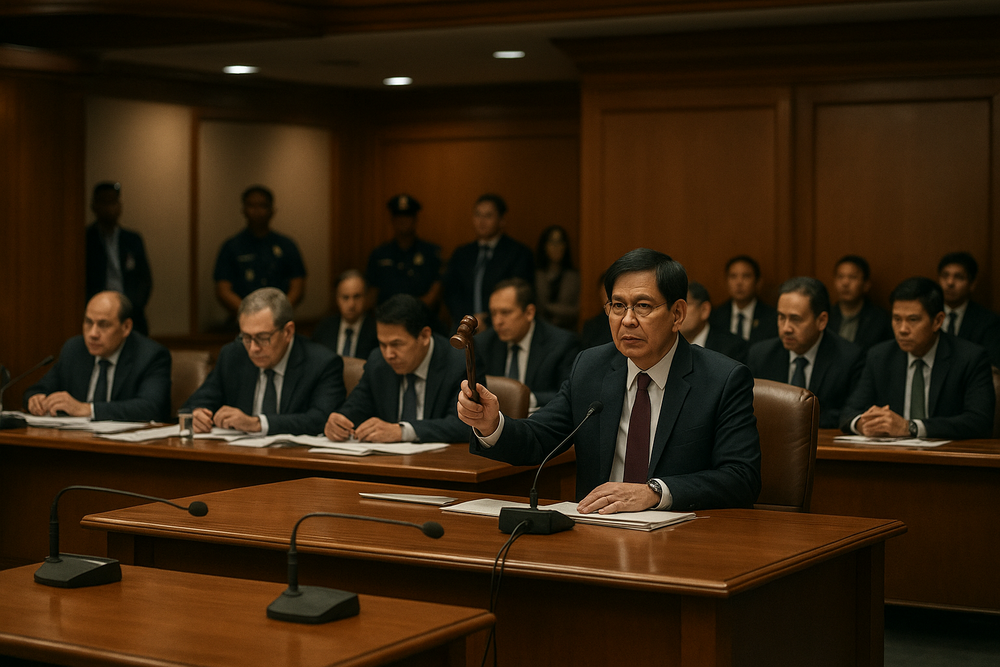
The confrontation, marked by privilege speeches, pointed rebuttals and rising tempers inside the Senate chamber, prompted intervention from Senate President Vicente “Tito” Sotto III, underscoring the unusually fraught nature of the debate.
A Charge of “Parroting” China
Lacson, the Senate President Pro Tempore, triggered the latest round of tensions when he accused Marcoleta of pushing positions that align with Chinese territorial claims in the contested waters.
“[It’s] unsettling, to say the least. Because this is national security that we’re talking about, especially na medyo delikado or delicate ‘yung situation,” Lacson said, warning that escalating global tensions could heighten risks in the region. “Parang in the advent of the Iran War, parang iniisip ng marami baka magka World War III. Di ba, delikado yun.”
Lacson framed the issue not as routine legislative sparring but as a matter of national sovereignty. He argued that the Philippines’ relatively weak military position demands caution and clarity in asserting its claims in the West Philippine Sea.
Central to his criticism was Marcoleta’s earlier remark during a February 4 Commission on Appointments hearing, in which Marcoleta allegedly suggested the country should “give up” the Kalayaan Island Group (KIG)—a strategically important cluster of islands within the disputed waters.
“Gusto rin lamang ni Senator Marcoleta na lagi siya ang bida,” Lacson said, suggesting his colleague sought the spotlight in controversies involving China, the Blue Ribbon Committee, and a high-profile restitution case involving contractors Sarah and Curlee Discaya.
Marcoleta’s Forceful Denial
Marcoleta rejected the accusation that he was defending China, calling Lacson’s remarks ad hominem attacks that distorted his position.
“Naniniwala ka sa kanya? Kayo, anong sinabi ko tungkol sa China? Paano ko dinefend ang China? You tell me, when? When? Tell me, May sinabi ako pabor sa China? When?” he said in an interview, challenging critics to cite any statement in which he sided with Beijing.
Marcoleta insisted his proposal involved asking the Senate foreign relations committee to convene with the Department of Foreign Affairs (DFA) and the National Mapping and Resource Information Authority (NAMRIA) to clarify maritime boundaries—steps he described as reinforcing, not weakening, Philippine claims.
Addressing the KIG controversy, he maintained that his “give up” remark had been taken out of context and did not signal abandonment of territory.
“Mr. President, pagkatapos isasama [niya] ang Kalayaan Island Group. Ano po ba talaga ang pinag-uusapan natin dito? ‘Yung kapakanan ng bayan? Pinipilit po niyong pinagtatanggol ko ang Tsina.”
From Maritime Claims to a “Political Circus”
The dispute did not end with maritime policy. Lacson also accused Marcoleta of staging a “political circus” to deflect attention from other issues, including:
The handling of allegations by 18 former Marines who claim to have delivered kickback funds to government officials.
Marcoleta’s defense of contractors Sarah and Curlee Discaya, who are detained amid a restitution controversy.
An ongoing COMELEC investigation into Marcoleta’s alleged failure to disclose campaign contributors.
Lacson pointed to provisions on indirect bribery in the Revised Penal Code, implying that accepting funds could create a “debt of gratitude.” He also questioned why, when Marcoleta chaired the Blue Ribbon Committee, no hearings were conducted on the Marines’ allegations.
Marcoleta, for his part, has pressed Lacson—now chair of the same committee—to pursue the matter, framing it as a test of legislative oversight.
Tensions Spill Onto Senate Floor
The back-and-forth intensified inside the Senate chamber, where raised voices and pointed exchanges reflected the depth of the disagreement. At one stage, Senate President Sotto intervened to restore order and clarify procedural rules.
“Sa Senado, ‘pag tumayo ka o gusto mo tumayo, wala kaming rule… Kung gusto mo magsalita after the prayer, point of personal privilege, eh di tumayo ka.” Sotto said, defending Lacson’s right to deliver a privilege speech at the start of session.
When tempers continued to flare, Sotto called for a brief suspension, signaling concern that the debate was veering away from decorum.
Why the West Philippine Sea Matters
Beyond the political theater, the argument touches on questions with far-reaching consequences for millions of Filipinos.
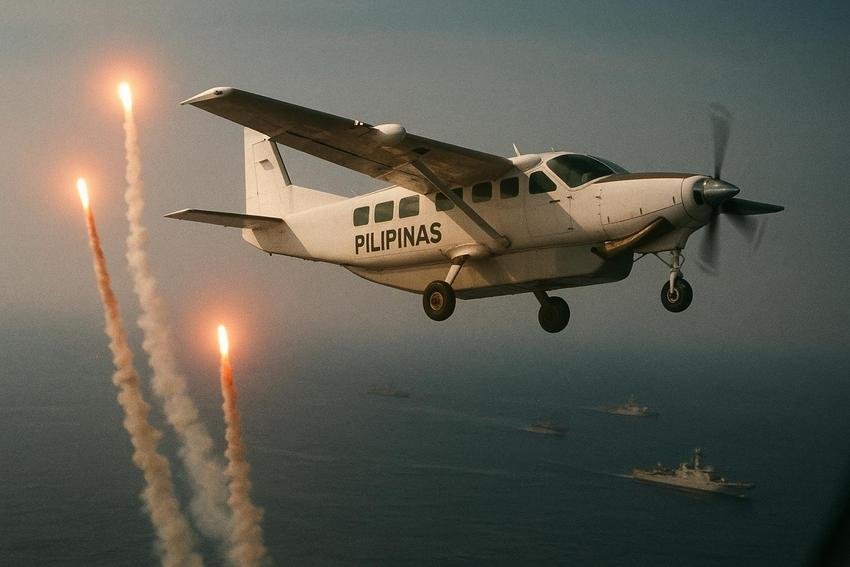
The West Philippine Sea is not simply a patch of contested water. It is a vital fishing ground that supports coastal livelihoods, a potential source of petroleum and mineral resources, and a strategic corridor in an increasingly tense Indo-Pacific region.
Control over the Kalayaan Island Group influences access to these resources and shapes the Philippines’ legal and diplomatic posture in ongoing maritime disputes with China.
Lacson has described the region’s fragility in stark terms, likening it to a chessboard where missteps could spark broader conflict. Marcoleta counters that rigorous review and open debate strengthen—not weaken—sovereignty.
A Test of Governance and Trust
The spectacle of two senior lawmakers trading accusations has also raised questions about institutional focus. For some observers, the exchange risks diluting attention from substantive policy discussions and corruption allegations that directly affect public trust.
At stake is not only foreign policy doctrine but also the credibility of oversight mechanisms within the Senate. In a chamber designed for deliberation, the episode served as a reminder that words—particularly on questions of sovereignty—carry weight far beyond the session hall.
As the dust settles, no formal resolution has emerged. What remains clear is that debates over the West Philippine Sea continue to cut to the heart of Philippine politics, where national pride, security strategy and personal rivalry intersect in full public view.