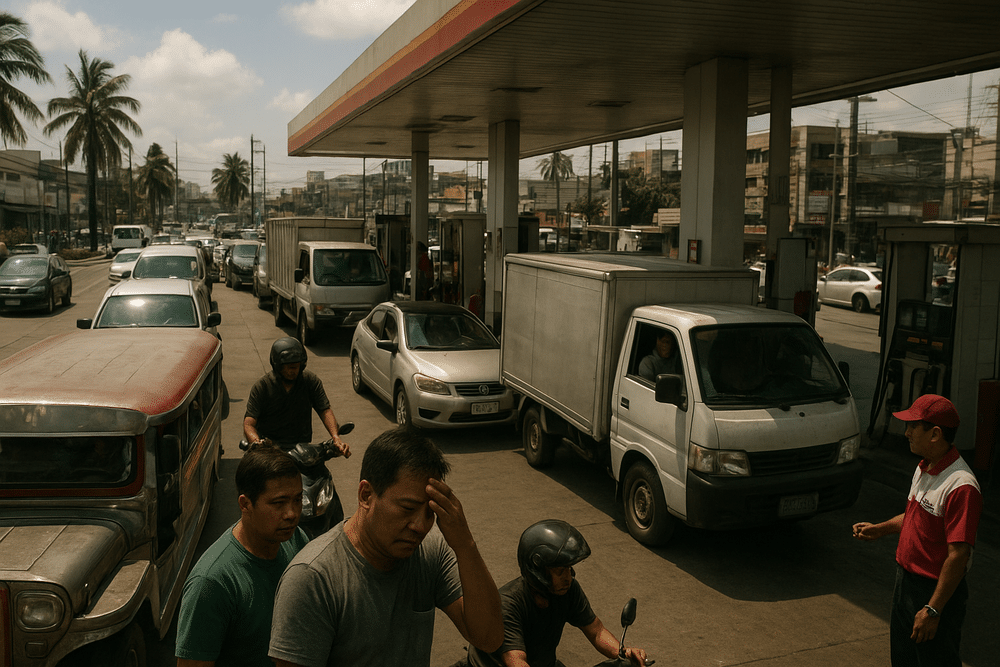
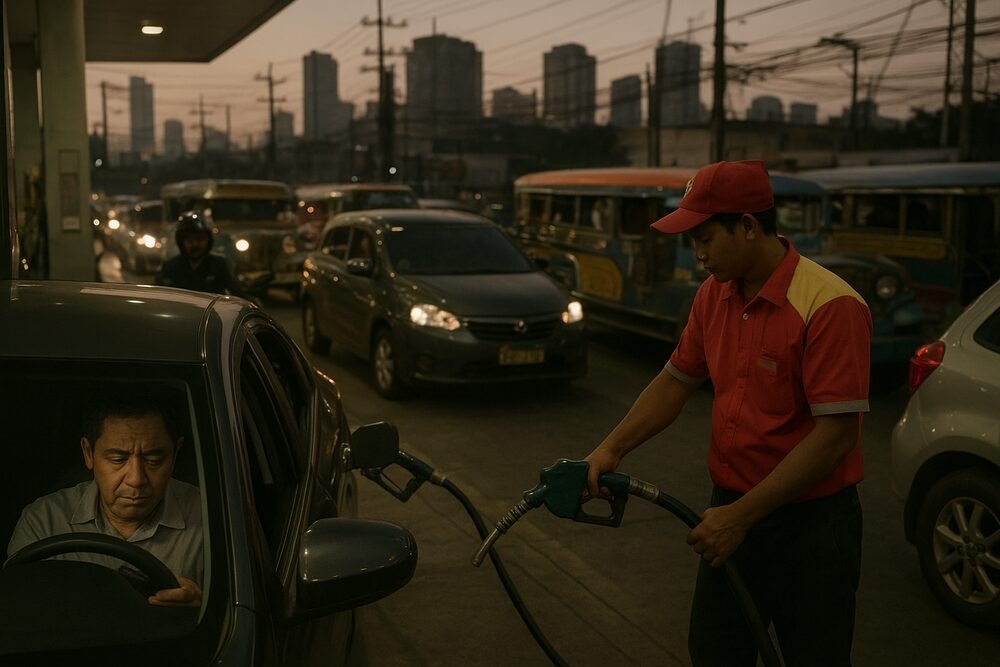
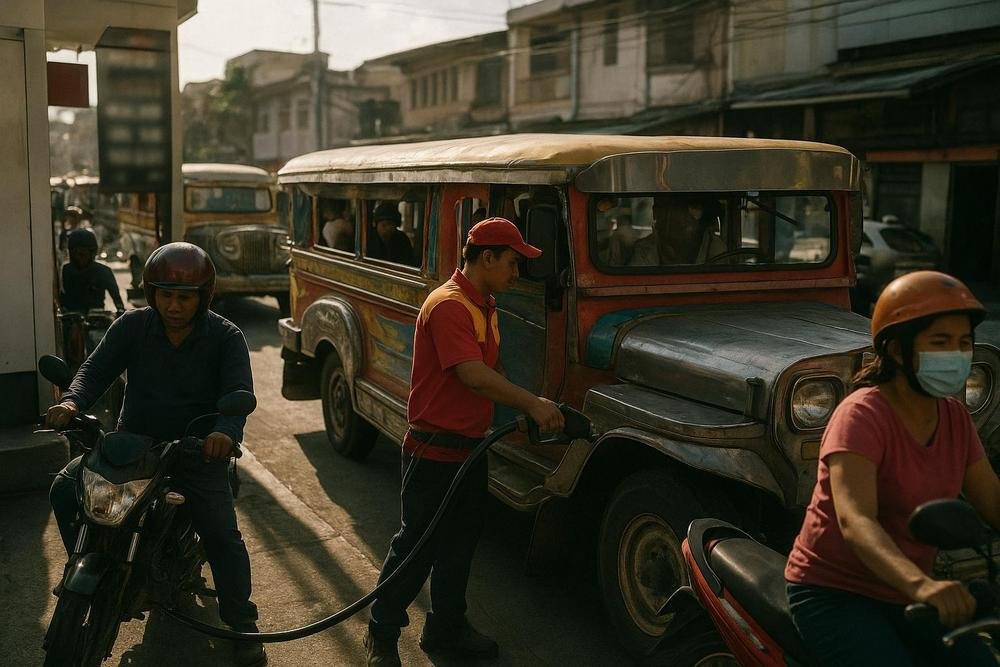
Several fuel stations across the Philippines have run out of diesel days before a projected record price increase takes effect on March 10, as motorists and transport operators rushed to fill their tanks in anticipation of what officials warn could be a “one-time big-time” surge.
The Department of Energy (DoE) said the localized shortages stem from pre-hike stockpiling rather than a national supply deficit. Despite the empty pumps in some areas, authorities insist the country holds more than two months’ worth of fuel reserves, well above the mandated minimum.
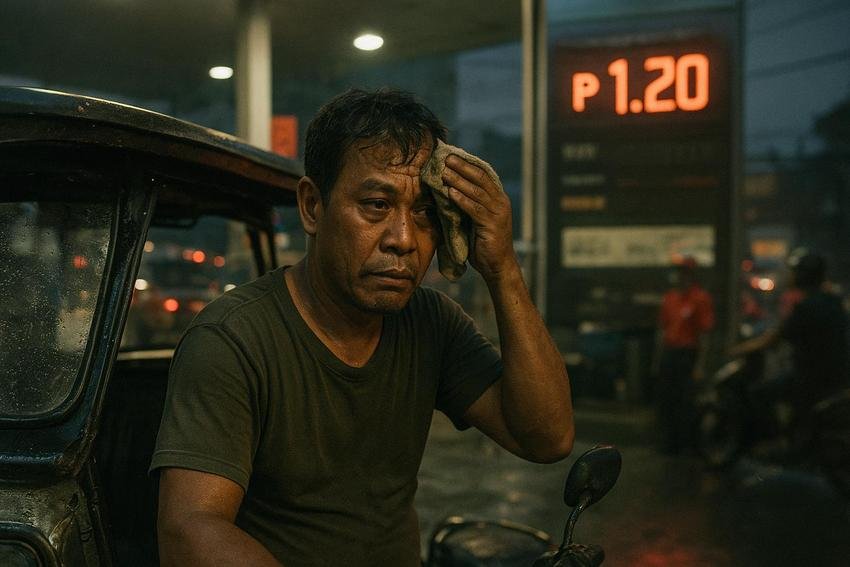
Diesel prices are expected to climb by at least ₱19 per liter, with projections ranging from ₱17.50 to ₱24.25. In the most extreme scenario, retail prices could breach ₱82.39 per liter, marking one of the sharpest fuel adjustments in recent years.
Global Pressures Ignite Local Shock
The looming hike is tied to escalating tensions in the Middle East, which threaten shipping routes through the Strait of Hormuz, and China’s decision to halt new refined fuel export contracts.
Oil Industry Management Bureau Director Rino E. Abad described Beijing’s move as a major disruption. “That’s a game changer,” he said, noting that around 30 percent of Philippine diesel imports come from China. “Hopefully, South Korea will not follow because about 40% of our imports come from South Korea.”
The Philippines consumes roughly 200,000 barrels of diesel daily—approximately 33 million liters—making it highly sensitive to shifts in global supply chains.
Gas Stations Feel the Strain
In the days leading up to the increase, long lines formed at select stations in Metro Manila and nearby provinces as drivers scrambled to refuel ahead of the adjustment. Some pumps ran dry.
The DoE acknowledged “localized run-outs” but stressed these reflect sudden spikes in demand rather than supply breakdowns. Energy Secretary Sharon S. Garin said oil firms have assured the government that inventories are steady and additional shipments are arriving.
To cushion the blow, major retailers—including Shell Pilipinas Corp., Petron Corp., Chevron Philippines Inc., Jetti Petroleum Inc., and Seaoil Philippines Inc.—agreed to stagger the increase over three to seven days.
Without such staggering, the DoE warned, “Diesel could reach more than P80/L.”
How High Prices Could Go
Based on DoE forecasts issued March 7, diesel will see the steepest rise:
Diesel: Minimum increase of ₱19 per liter; possible range ₱17.50–₱24.25, bringing prices to ₱63–₱82.39 per liter.
Gasoline: ₱7–₱13 per liter increase, resulting in ₱60.90–₱66.40 per liter.
Kerosene: ₱32–₱38.50 per liter hike, pushing prices to ₱92.17–₱122.67 per liter.
“For diesel, we estimate a minimum of around P19 per liter, while kerosene would be approximately P31,” Abad said in a March 7 radio interview.
Legal Constraints Limit State Intervention
Under the Oil Deregulation Law (R.A. No. 8479), fuel companies set pump prices based on global benchmarks using a replacement cost pricing model. This system allows rapid pass-through of international volatility to domestic markets and limits direct government control over pricing.
The DoE’s role centers on monitoring compliance and ensuring adequate supply. Field offices in Luzon, Visayas, and Mindanao have intensified inspections to guard against profiteering and confirm inventory levels as the hike takes effect.
Transport Sector Braces for Fallout
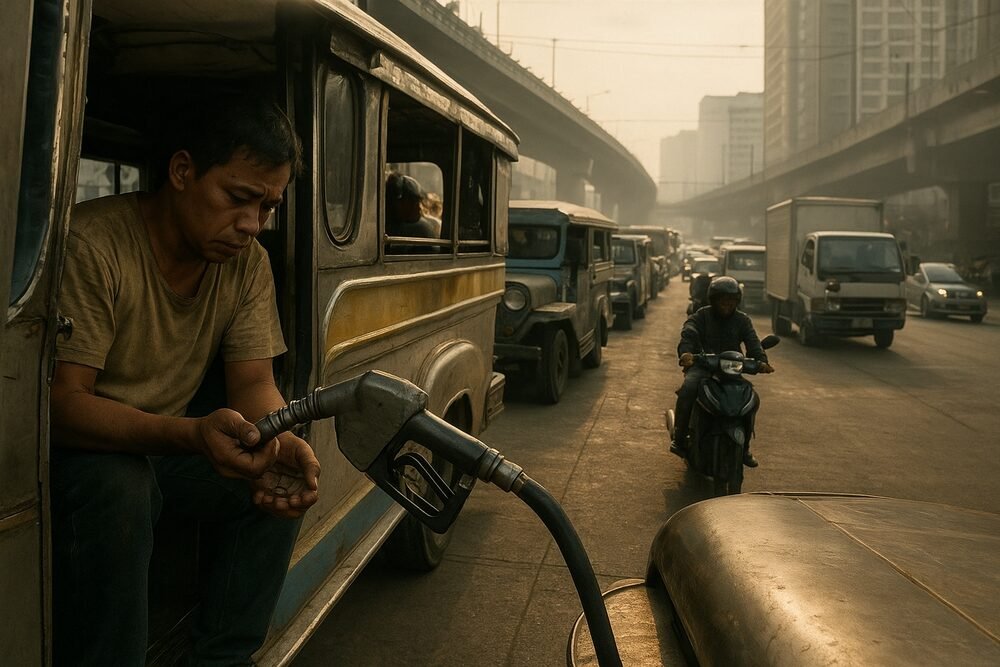
The price surge has triggered protests from the transport group PISTON, whose members demonstrated at a Quezon City gas station on March 9. The group is calling for the suspension of value-added tax and excise taxes on fuel, warning that drivers’ incomes could collapse under what it described as a historic shock.
At diesel prices approaching ₱82 per liter, public utility vehicle operators face shrinking margins. Higher operating costs could translate into fare hike petitions, reduced trips, or increased “boundary” fees imposed on drivers.
The impact ripples beyond transport. Trucking costs influence the price of vegetables in public markets, rice in sari-sari stores, and other daily essentials. Farmers and fisherfolk, already grappling with high input costs, may also feel the sting of rising kerosene prices used for lighting and cooking.
Government Explores Strategic Buffer
In response to mounting volatility, the DoE is studying the establishment of a strategic diesel reserve of one to three million barrels through the Philippine National Oil Co. Such a stockpile would cover roughly five to fifteen days of national demand—a modest buffer against global disruptions.
Officials emphasized that current reserves exceed the required 15-day minimum and extend beyond two months. Still, the proposal underscores concerns that external shocks can quickly strain local markets.
A Delicate Balancing Act
For now, the government is walking a tightrope: discouraging panic buying while reassuring a public bracing for record fuel costs. Authorities have urged consumers against hoarding, warning that it aggravates temporary shortages and distorts distribution.
The coming days will test whether staggered price adjustments and steady imports can prevent further pump run-outs. As global tensions continue to churn oil markets, Filipino consumers—from jeepney drivers to market vendors—remain acutely vulnerable to forces far beyond the archipelago’s shores.