Iran’s Assembly of Experts has reached a majority consensus on the country’s next supreme leader, just days after Ayatollah Ali Khamenei was killed in a joint United States–Israeli airstrike that has plunged the Islamic Republic into one of the most volatile transitions in its modern history. The name of the chosen candidate has not been publicly disclosed, with senior clerics citing security concerns amid ongoing military threats.
The announcement, confirmed by multiple members of the 88-member clerical body, signals that Iran’s highest constitutional authority is moving swiftly to replace a leader who ruled for nearly four decades. Yet the final appointment process remains incomplete as war conditions complicate in-person deliberations and raise the risk of further targeted strikes.
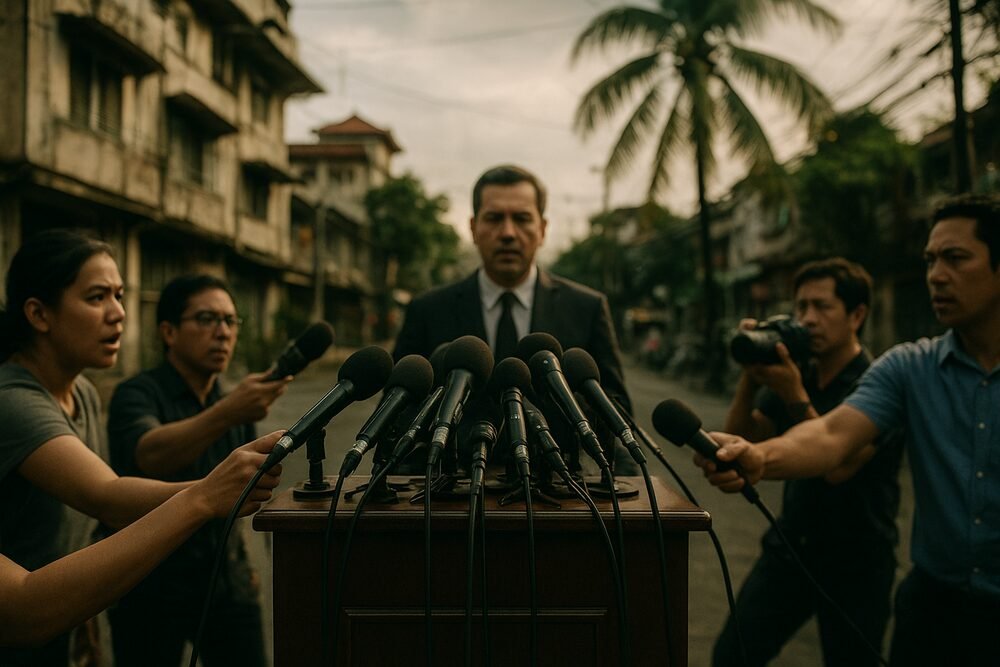
Consensus Reached, Name Withheld
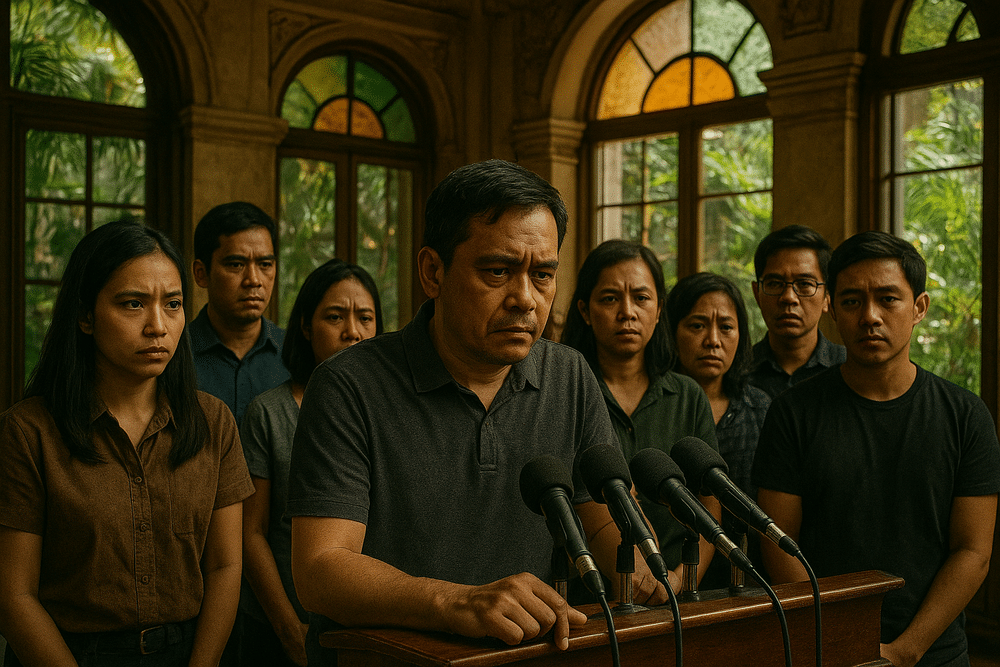
Mohsen Heydari, a senior Assembly member from Khuzestan province, said, “The most suitable candidate, approved by the majority of the Assembly of Experts, has been determined.” Another member, Mohammadmehdi Mirbaqeri, confirmed that “a firm opinion reflecting the majority view has been reached,” though he acknowledged that “some obstacles still needed to be resolved regarding the process.”
The decision follows days of urgent consultations held under extraordinary circumstances. Israeli military officials have publicly warned that they will target both any future supreme leader and those involved in the appointment. The continuing US-Israeli air campaign has further raised the stakes of what is already the most consequential political succession in the country since 1989.
A Power Vacuum After an Airstrike
Ayatollah Ali Khamenei, 86, was killed on February 28, 2026, when a joint US-Israeli airstrike hit his Tehran compound at the outset of a broader military campaign. His death ended a 37-year rule that shaped Iran’s domestic politics and regional posture.
Within 24 hours, Iran activated Article 111 of its Constitution, which outlines procedures for leadership succession. A three-member Interim Leadership Council assumed temporary authority, consisting of:
President Masoud Pezeshkian, regarded as a reformist,
Chief Justice Gholam-Hossein Mohseni-Eje’i, a hardliner, and
Ayatollah Alireza Arafi, a senior cleric and potential leadership contender.
The council is mandated to oversee state affairs until the Assembly formally appoints a new supreme leader, though the Constitution sets no fixed deadline for completing the process.
Mojtaba Khamenei Emerges as Leading Contender
While officials have withheld the chosen name, Mojtaba Khamenei, 56, the late leader’s son, is widely reported to be the front-runner. A mid-ranking cleric known for his close ties to the Islamic Revolutionary Guard Corps (IRGC), he has long been viewed as wielding influence behind the scenes.
Ayatollah Mohsen Heidari Alekasir, another senior cleric, offered a pointed remark that appeared to allude to Mojtaba’s candidacy. “Even the Great Satan (US) has mentioned his name,” he said, invoking a phrase commonly used in Iran to describe the United States. He added that the selection was guided by the late Khamenei’s advice that a supreme leader should “be hated by the enemy” rather than praised.
President Donald Trump has publicly described Mojtaba Khamenei as “unacceptable” and suggested he “should be personally involved” in selecting Iran’s next leader, further complicating the already combustible environment.
Security Concerns Stall Final Vote
The Assembly of Experts traditionally meets in person to formalize such a decision. But ongoing airstrikes and explicit Israeli threats to target successors have made large gatherings of senior clerics a potential security risk.
Iran has declared 40 days of national mourning, and state media has broadcast images of farewell ceremonies across major cities. Behind closed doors, however, the clerical establishment appears to be navigating uncharted terrain: selecting a leader while under active external attack.
The situation has transformed what is normally a tightly controlled religious-constitutional process into something closer to a wartime maneuver, with secrecy serving as both shield and strategy.
Hardline Continuity or Dynastic Shift?
The Assembly itself was reshaped in recent elections, resulting in a body largely aligned with conservative and hardline factions. Should Mojtaba Khamenei assume the position, it would mark the first time in the Islamic Republic’s history that the office passes from father to son — a move critics may characterize as dynastic and at odds with the revolution’s anti-monarchical roots.
President Pezeshkian’s presence on the interim council introduces a reformist voice, but key security institutions, particularly the IRGC, are widely viewed as favoring continuity through a hardline successor.
For now, the Assembly’s public posture emphasizes unity and constitutional legitimacy. Its members have framed the consensus as both lawful and urgent, arguing that swift leadership selection is essential to preserve national stability amid war.
Global Implications, Limited Direct Impact on Malta
Though geographically distant, the leadership change in Tehran carries global consequences. Iran remains a pivotal actor in Middle Eastern security and energy markets. Any prolonged instability or escalation could ripple through global oil prices, indirectly affecting fuel costs across Europe, including Malta.
However, no immediate measures or advisories have been issued that directly affect Maltese nationals or businesses. The situation remains fluid, with diplomatic channels across the region monitoring developments closely.
A Succession Under Fire
Iran’s leadership transition has unfolded not in a quiet clerical chamber but under the shadow of fighter jets and missile strikes. The consensus within the Assembly suggests that the political elite seeks to project decisiveness and institutional continuity. Yet the unannounced name — guarded amid threats and geopolitical brinkmanship — underscores how precarious this moment remains.
In Tehran, the calculus appears stark: select a leader who can consolidate power quickly, deter external adversaries and maintain internal cohesion. Whether that strategy stabilizes the country or deepens confrontation with the West may become clear in the weeks ahead, as Iran moves from mourning into a new and uncertain chapter.