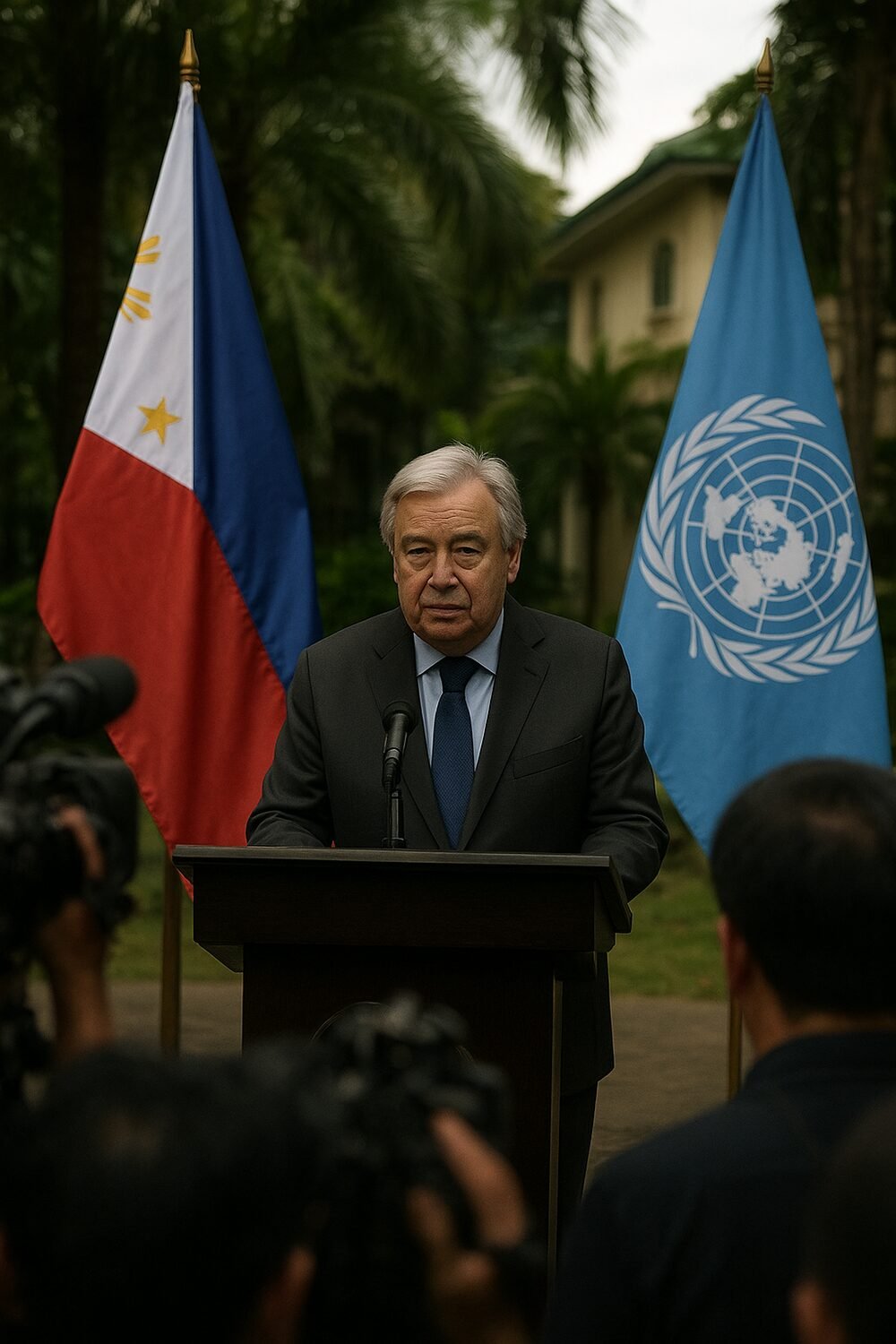
The Ultimate Fighting Championship has completed what may be the most improbable fight card in its three-decade history: a live event on the South Lawn of the White House.
UFC President and CEO Dana White confirmed in early March that the lineup for the June 14, 2026 spectacle is finished and will be publicly unveiled during the week of March 7. “I’ll announce the whole card this week. It’s done. The card is done,” White said, signaling the end of months of tightly guarded negotiations.
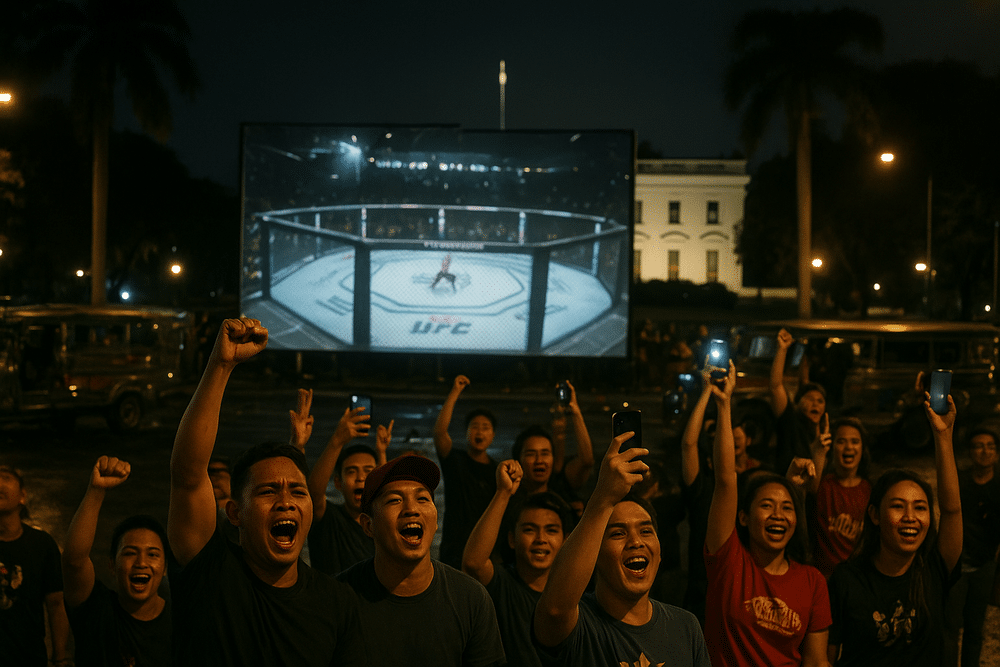
The event, scheduled to coincide with the 250th anniversary of the United States, will mark the first time a professional sporting event is staged on White House grounds. Organizers expect the fight night to feature six to seven bouts—roughly half the size of a traditional UFC pay-per-view—inside a specially constructed arena facing one of the world’s most recognizable residences.
A Cage on Historic Ground
The plan was first floated on July 3, 2025, when U.S. President Donald Trump told supporters at a rally in Iowa that he intended to host a UFC championship fight at the White House as part of America’s semiquincentennial celebration.
“Does anybody watch UFC? The great Dana White. We’re going to have a UFC fight on the grounds of the White House,” Mr. Trump said at the time. He envisioned a “full fight” with tens of thousands in attendance.
By late August 2025, White announced after a meeting at the White House: “The White House fight is on.” In October, the president fixed the date as June 14—Flag Day and, notably, his 80th birthday. White dismissed subsequent rumours that the event might move to June 26, rebuking speculation in February with a blunt: “Media is so full of s***.”
The date now stands firm.
A Scaled-Down, High-Security Showcase
Despite the grandeur of its setting, the event will not resemble a packed Las Vegas arena. According to TKO Group executives, the White House card will feature six to seven fights, far fewer than the standard 13-bout UFC pay-per-view lineup.
The limited slate reflects both logistical realities and security constraints. Organizers expect a carefully vetted audience of 3,000 to 4,000 invited guests seated near the Octagon. A broader crowd—potentially up to 85,000 spectators—may gather at nearby public viewing areas around The Ellipse.
The production budget underscores the event’s scale. Executives estimate costs at roughly $60 million (approximately €55 million), a figure that makes the White House card one of the most expensive single-night productions in UFC history. Company officials have indicated the event is not designed to generate a profit, with sponsorships expected to offset only about half the expense.
The main card will air on Paramount+, with selected preliminary bouts scheduled for broadcast on CBS. Ceremonial weigh-ins are expected to take place at the Lincoln Memorial, extending the event’s pageantry across Washington’s historic landmarks.
Matchmaking Under Wraps
Details of the completed fight card remain under embargo until the official announcement, but insiders describe a deliberate and cautious matchmaking process.
Unlike a traditional pay-per-view built around a championship headliner, the White House card appears designed as a tightly curated showcase rather than a 13-fight marathon. TKO executives disclosed in February that the event would feature only six to seven bouts. No specific title fights have been formally confirmed.
White characterized the event as a singular spectacle—an attempt to craft what he believes may become the most-watched live UFC broadcast ever.
Political Symbolism Meets Prizefighting
Staging a cage fight at the White House fuses two distinctly American traditions: political theatre and combat sports. For President Trump, a long-time UFC enthusiast with close ties to White, the event serves as both patriotic celebration and cultural statement.
The symbolism is unmistakable. The South Lawn, typically reserved for state ceremonies and diplomatic pageantry, will for one night host the Octagon—a steel-framed theatre of controlled violence.
White House operations staff have reportedly held more than ten planning meetings with UFC executives to coordinate security, infrastructure and broadcast logistics. The level of preparation suggests an undertaking closer to a presidential inauguration than a standard sports promotion.
No Direct Impact on Malta—But Global Eyes Watching
For Malta and the wider Mediterranean sports audience, the White House card carries no direct political or economic effect. The event is confined to U.S. federal grounds. No Maltese agencies or institutions are involved.
Yet the spectacle will resonate with global fans, including Malta’s growing MMA community. Broadcast internationally via streaming platforms, the event is likely to command late-night viewing across European time zones, reinforcing the UFC’s position as a borderless entertainment brand.
In that sense, the White House card is less a domestic event than a carefully staged global broadcast—America projecting its 250-year milestone through the lens of one of its most commercially successful sports exports.
A One-of-a-Kind Night
Whether remembered as a marketing masterstroke or an audacious gamble, the June 14 fight night will stand apart in UFC history. It compresses sport, politics, patriotism and spectacle into a single evening under the glare of international cameras.
White has promised the full card reveal within days. When fighters finally walk toward the Octagon across the White House lawn, they will do so on ground more accustomed to state dinners than spinning backfists—a vivid illustration of how modern sport can cross even the most symbolic frontiers.