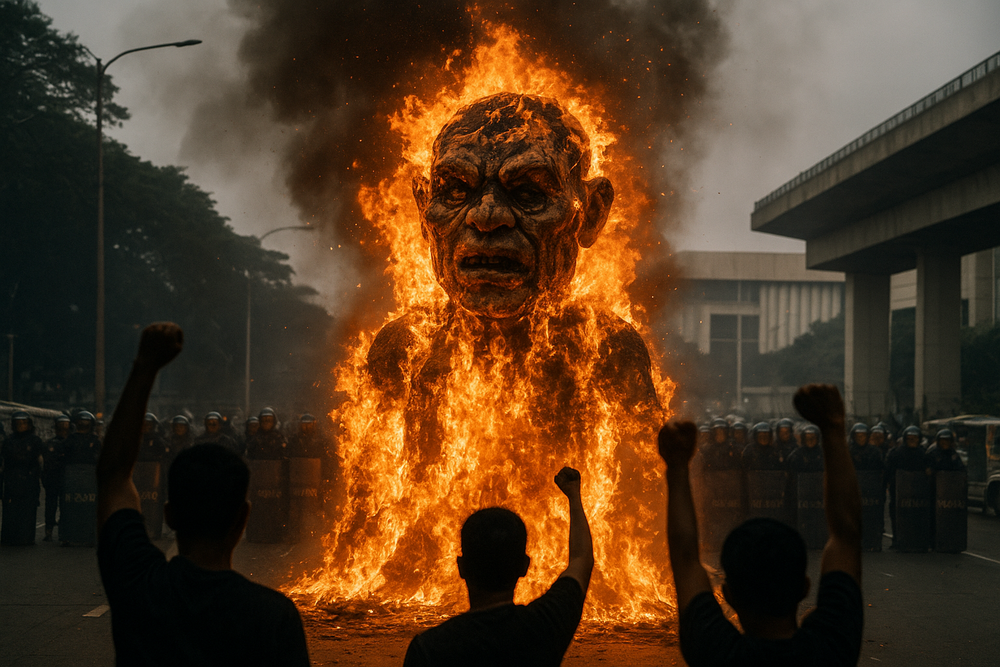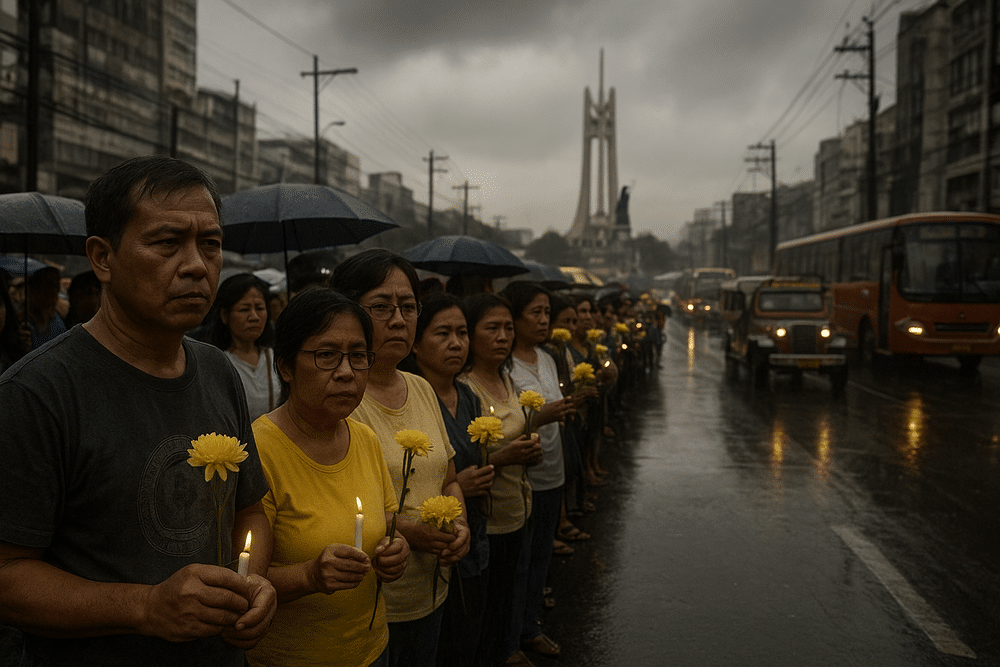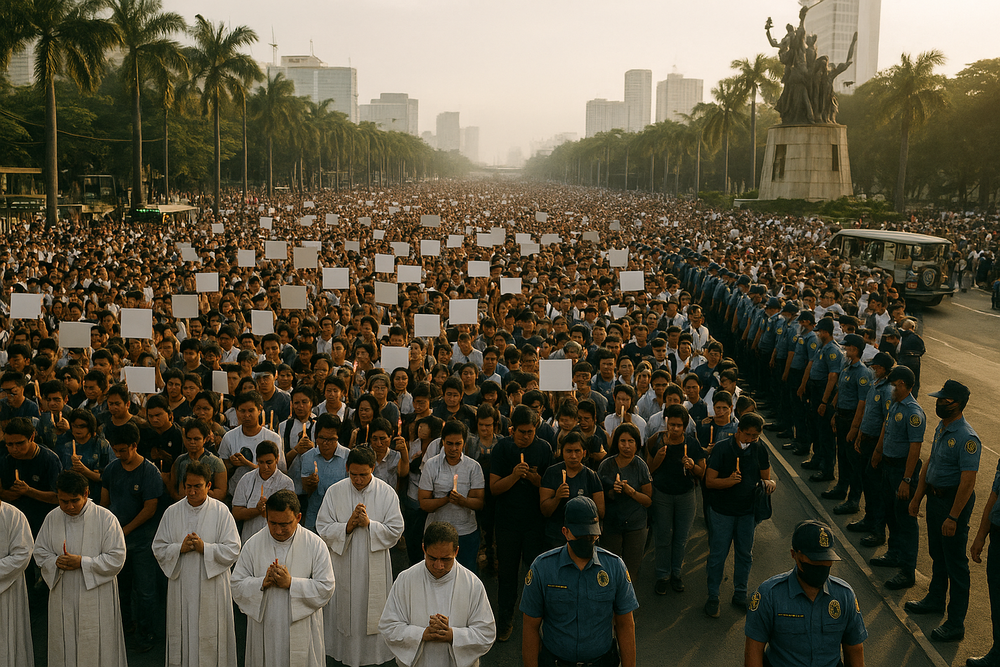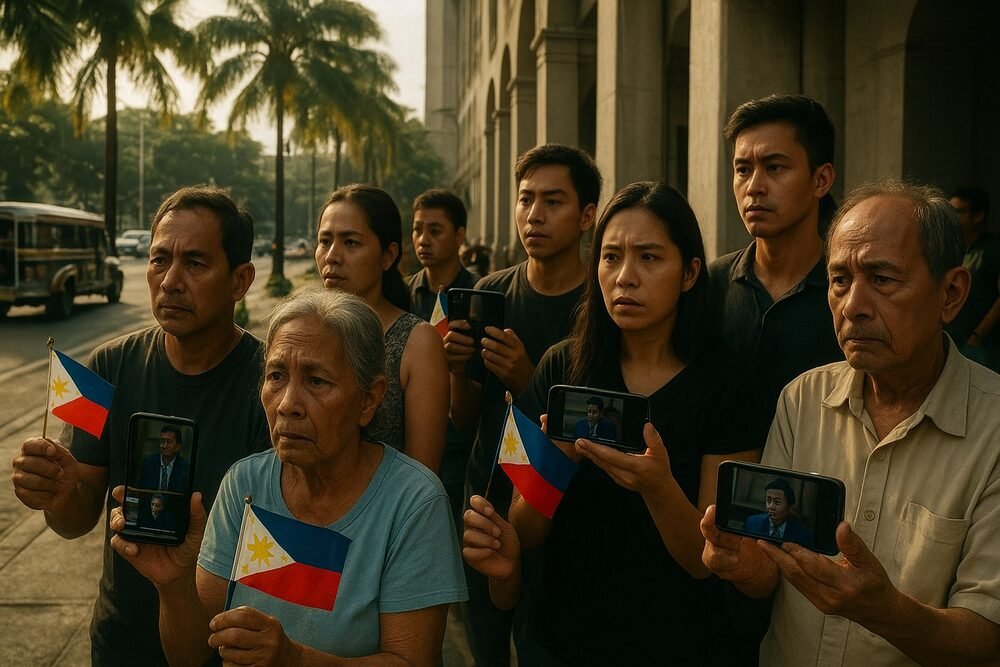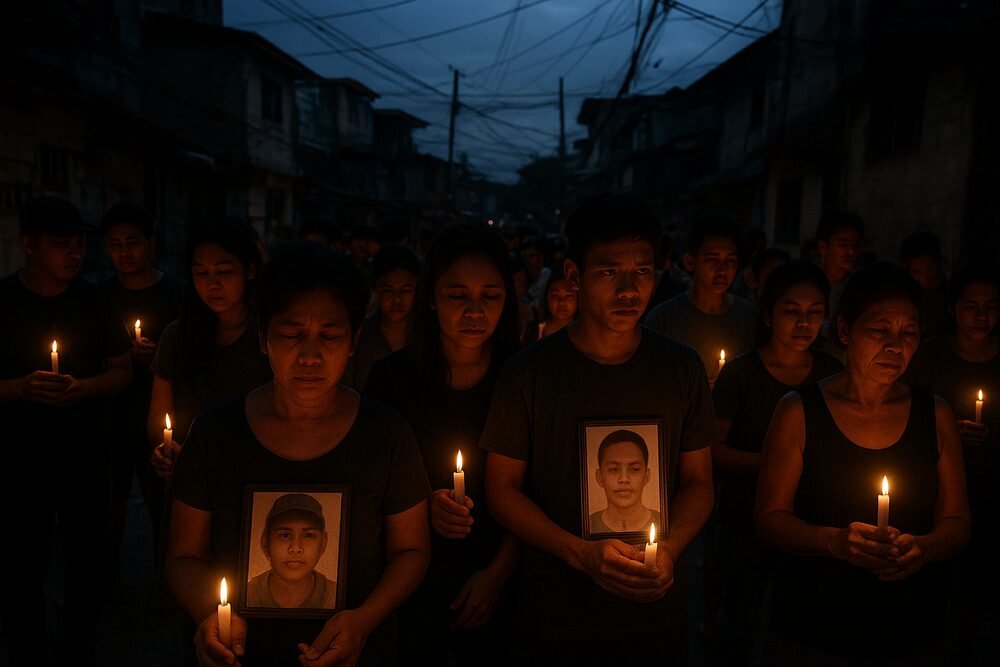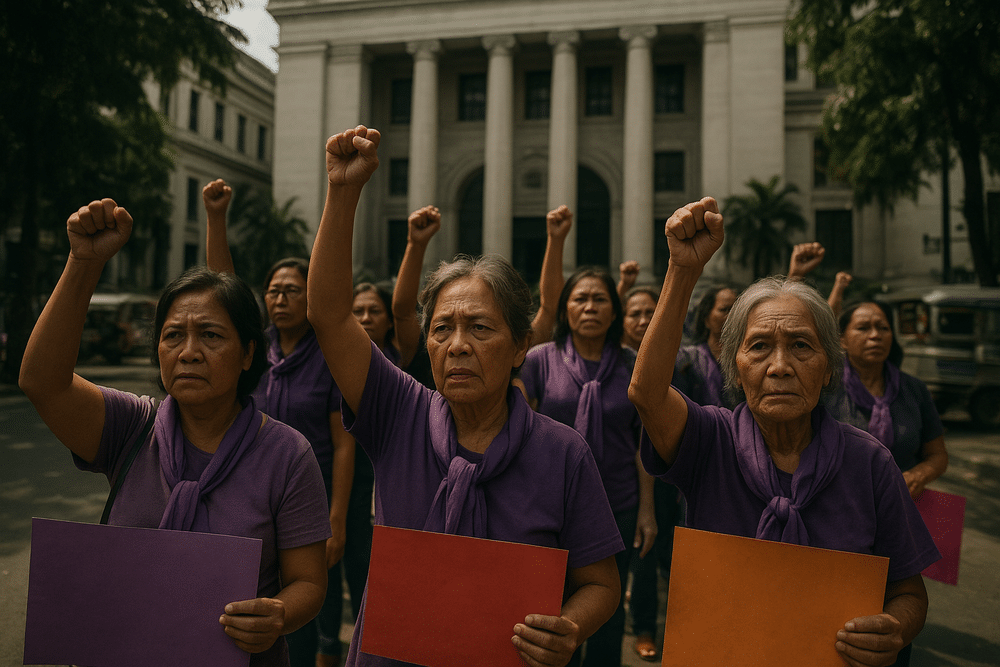
Two days before International Women’s Day, members of the women’s rights group Gabriela gathered outside the Department of Justice (DOJ) in Manila, calling for the immediate release of 135 women political prisoners detained across the Philippines. The rally also marked the fifth anniversary of the March 7, 2021 “Bloody Sunday” operations, a series of police raids that left activists dead and dozens arrested in what rights groups describe as a dark chapter for civil liberties in the country.
Holding placards and chanting demands for freedom, protesters urged authorities to review what they called “fabricated charges” against women detainees — many of whom are human rights advocates, community organizers, mothers, and elderly women.
Call to Free 135 Women Detainees
Gabriela Secretary General Clarice Palce delivered the group’s central demand in direct terms: “Gabriela reiterates our demand: Free our sisters, free all political prisoners.”
The organization said the 135 women are detained in facilities scattered across the archipelago, facing charges ranging from illegal possession of firearms to violations under the Anti-Terrorism Act (ATA) and the Terrorism Financing Prevention and Suppression Act (TFPSA). Human rights monitors report that at least 30 detainees charged under these anti-terror laws remain in custody.
Palce linked the detentions to what she described as misplaced state priorities. “While young women are denied quality and accessible education due to poor government prioritization and systemic corruption, the state chooses to weaponize the law against those who demand better,” she said.
Political Prisoners Nationwide
Independent monitoring by human rights organizations SELDA and Karapatan places the total number of political prisoners nationwide at 696. Of these, 136 are women, 93 are elderly, 89 are sickly, and 12 are consultants of the National Democratic Front of the Philippines (NDFP) who are meant to be protected from arrest under the 1995 Joint Agreement on Safety and Immunity Guarantees (JASIG).
Rights groups argue that several detentions violate this agreement, as well as constitutional protections limiting warrantless detention to three days under the Revised Penal Code.
Karapatan deputy secretary general Maria Sol Taule framed the issue as a question of accountability. “There is rank injustice in targeting those who fight corruption and advance human rights, but turning a blind eye to the biggest plunderers and fascists like Marcos Jr. and his ilk,” she said.
Remembering “Bloody Sunday”
The rally’s timing was intentional. On March 7, 2021, simultaneous police raids in Southern Luzon led to the deaths of activists and the arrest of labor leaders and organizers. Critics labeled the operation “Bloody Sunday,” alleging excessive force and unlawful searches.
Mags Camoral, a survivor of the raids and spokesperson for Defend Workers, addressed the crowd: “Instead of persecuting those who carried out the raids, the system continues to target the victims and survivors.”
While some of those arrested in 2021 were later released on bail and had charges dismissed for lack of evidence, rights groups maintain that justice remains elusive and that accountability within law enforcement has been limited.
Congested Prisons, Lingering Cases
The demonstration unfolded against the backdrop of a severely congested prison system. As of February 2026, the Philippines holds approximately 171,000 inmates. Official data show that facilities managed by the Bureau of Corrections are operating far beyond their designed capacity — one cited capacity of 17,211 beds accommodates a far larger inmate population.
Overcrowding has become a structural problem, slowing court processes and delaying releases. Human rights advocates argue that prolonged detention of political prisoners exacerbates these pressures, turning already packed jails into pressure cookers of legal limbo.
In January, the United Nations Office on Drugs and Crime launched a digital tool known as the Laya Calculator to help compute accurate prisoner release dates, in partnership with Philippine authorities and the Commission on Human Rights. Advocates say such measures, while useful, cannot substitute for resolving contested cases swiftly and lawfully.
Legal Disputes Over Anti-Terror Laws
Central to the controversy is the application of the Anti-Terrorism Act, enacted to combat extremist threats but criticized by civil society groups who say it is increasingly used against dissenters and activists.
The DOJ and security forces have defended the law as a necessary tool to address national security concerns. Government officials have previously emphasized that arrests follow legal processes and judicial oversight, and that anti-terror measures target security threats rather than legitimate activism.
Rights groups counter that the broad definitions within the law create space for selective enforcement. They argue that the prolonged detention of women activists — including elderly detainees and mothers — illustrates how legal instruments intended for counterterrorism can cast a wide net.
Families and Communities in Limbo
Beyond the legal arguments, the detentions ripple through families and communities. Many of the women are primary caregivers. Their absence forces relatives to shoulder additional financial and emotional burdens, including travel costs for prison visits and the expense of providing basic necessities inside overcrowded facilities.
Advocacy networks also lose leaders and organizers, disrupting grassroots campaigns on education, labor rights, and social services. In this sense, supporters say, the issue extends beyond individual detainees to the civic fabric itself.
Rallying Cry Before Women’s Day
As International Women’s Day approaches, Gabriela and allied organizations say they will continue pressing for what they describe as a humanitarian and political imperative: the release of women they consider unjustly detained.
For now, their demand stands in stark terms, echoing across the gates of the justice department: free the 135 women behind bars — and, as Palce put it, “free all political prisoners.”