U.S. President Donald Trump has confirmed that he ordered American forces to strike three of Iran’s most heavily fortified nuclear facilities in June 2025, declaring the operation a “spectacular military success” aimed at crippling Tehran’s nuclear enrichment and missile programs. The strikes, carried out at the height of a brief but intense conflict known as the Twelve-Day War, have reshaped regional tensions and reignited debate over whether military force can permanently halt Iran’s nuclear ambitions.
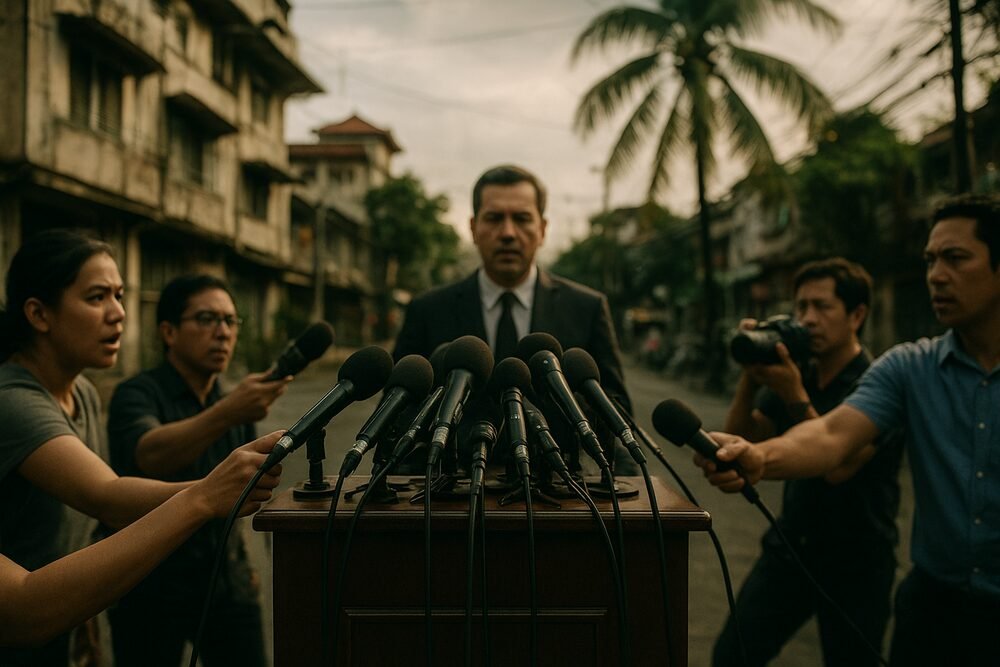
In a televised address on June 21, 2025, Trump said the facilities had been “completely and totally obliterated,” asserting that Iran could not be allowed to develop a nuclear weapon or missiles capable of reaching the United States or its allies. Yet months later, senior figures — including former U.S. National Security Advisor John Bolton — publicly disputed the extent of the damage, warning that Iran is already rebuilding key components of its program.
Strikes Targeted Core Nuclear Sites
According to official U.S. accounts, American Air Force and Navy forces struck three central pillars of Iran’s nuclear infrastructure on June 22, 2025:
Fordow, a deeply buried enrichment plant;
Natanz, Iran’s primary uranium enrichment center; and
Esfahan, a facility linked to nuclear processing and development.
The operation followed Israeli air raids on June 13 that halted inspections by the International Atomic Energy Agency (IAEA). In the days that followed, Trump demanded Iran’s unconditional surrender while U.S. officials simultaneously pursued last-minute nuclear negotiations with Tehran.
By June 19, the White House signaled a decision on strikes was imminent. Two days later, Trump addressed the American public at 10 p.m. EDT to declare success.
“Iran’s key nuclear enrichment facilities have been completely and totally obliterated… a spectacular military success,” Trump said.
Congress Notified, Legal Grounds Asserted
On June 23, Trump formally notified the U.S. Congress that the strikes were “necessary to advance vital United States national interests, and in collective self-defense of our ally, Israel, by eliminating Iran’s nuclear program.”
The administration grounded its actions in National Security Presidential Memorandum-2 (NSPM-2), issued in February 2025. The directive described Iran’s nuclear program as an “existential danger” and mandated the denial of “all paths” to a nuclear weapon or long-range missile capability.
Under NSPM-2, Washington intensified pressure through military deterrence, oil cargo impoundments and prosecution of actors linked to Iran’s Revolutionary Guard Corps.
Iran Calls Strike ‘Act of War’
Tehran condemned the operation in the strongest possible terms. Iranian Foreign Minister Abbas Araghchi described the strikes as an “act of war.”
Iran responded by launching drones and missiles during the Twelve-Day War. Prior to the U.S. bombardment, Iranian authorities reportedly evacuated sensitive nuclear material from Fordow and Natanz, anticipating an attack. The country also ramped up oil exports ahead of the strikes.
Regional dynamics further complicated the operation. Saudi Arabia and the United Arab Emirates reportedly denied U.S. forces access to their airspace, signaling reluctance to widen the conflict. Meanwhile, Israeli Prime Minister Benjamin Netanyahu pressed Washington to expand its list of targets.
Damage Extensive, but Not Decisive
While the White House described the facilities as destroyed, doubts soon emerged about the durability of that claim.
On March 1, 2026, John Bolton stated: “The claim of obliterating the program is incorrect… [Strikes] did very extensive damage… but did not totally destroy it.”
Bolton’s assessment suggests that the strikes may have set Iran’s program back significantly but failed to dismantle its capacity to rebuild—a pattern familiar from decades of nuclear brinkmanship in the region. Like a damaged but not dismantled engine, the infrastructure may yet roar back to life.
IAEA Director General Rafael Grossi noted that inspectors had not returned to the sites since Israel’s initial bombings in mid-June 2025, leaving independent verification of the damage incomplete.
Renewed Threats and Stalled Diplomacy
The confrontation has not ended with the June strikes. On June 27, Trump said, “I would absolutely consider bombing Iranian nuclear sites again if I deemed it necessary.”
By January 28, 2026, he warned of renewed attacks unless Iran agreed to a nuclear deal barring weapon development. During his February 24 State of the Union address, Trump reiterated his aim to thwart what he called Iran’s “sinister ambitions,” particularly missile capabilities that could reach the United States.
Iran has signaled that it prefers diplomacy but has resisted negotiations under military threat. Nuclear talks remain stalled.
Global Repercussions, Limited Direct Impact on Malta
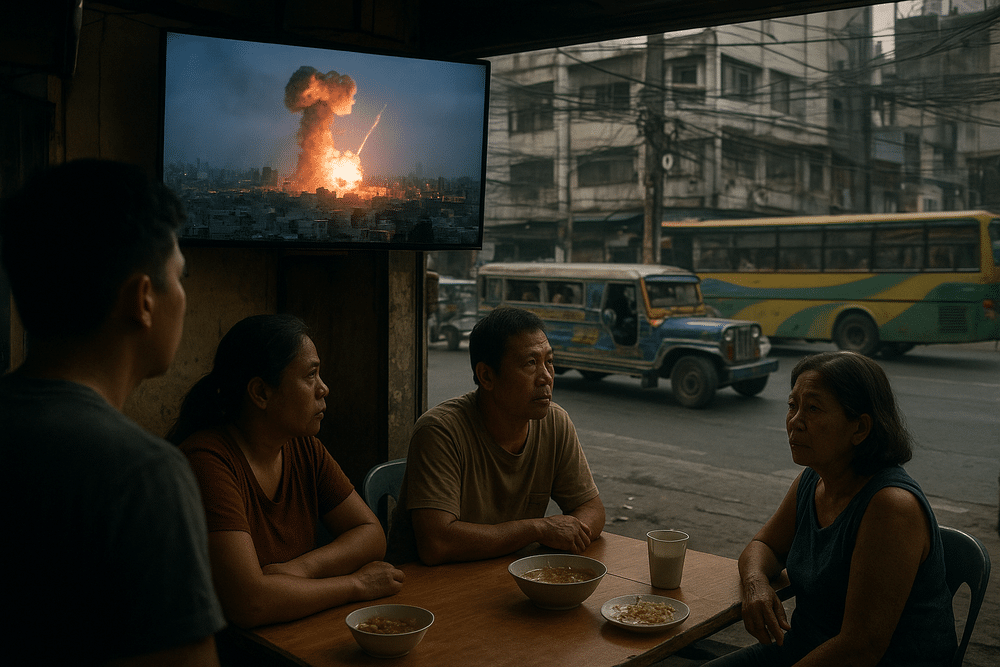
The strikes reverberated through global markets and diplomatic corridors, fueling uncertainty over oil supply and maritime security in the Gulf. Although Iran increased exports before the attack, renewed conflict risked tightening supply and unsettling energy markets.
For Malta, the impact remains indirect. The island nation has no reported military or diplomatic involvement in the conflict. However, as a Mediterranean state dependent on imported energy and global shipping routes, Malta remains sensitive to oil price volatility and broader instability in the Middle East.
Any sustained escalation could ripple through fuel costs, freight rates and regional security calculations affecting Europe.
An Unfinished Conflict
The June 2025 strikes marked one of the most consequential U.S. military actions against Iran in decades. Trump’s decision sought to draw a red line through Tehran’s nuclear ambitions. Yet nearly a year later, the outcome appears less definitive than first declared.
Whether the strikes have permanently restrained Iran’s nuclear trajectory or merely delayed it remains uncertain. What is clear is that the confrontation has reset the strategic chessboard in the Middle East — and left the world watching to see whether deterrence holds or another round begins.