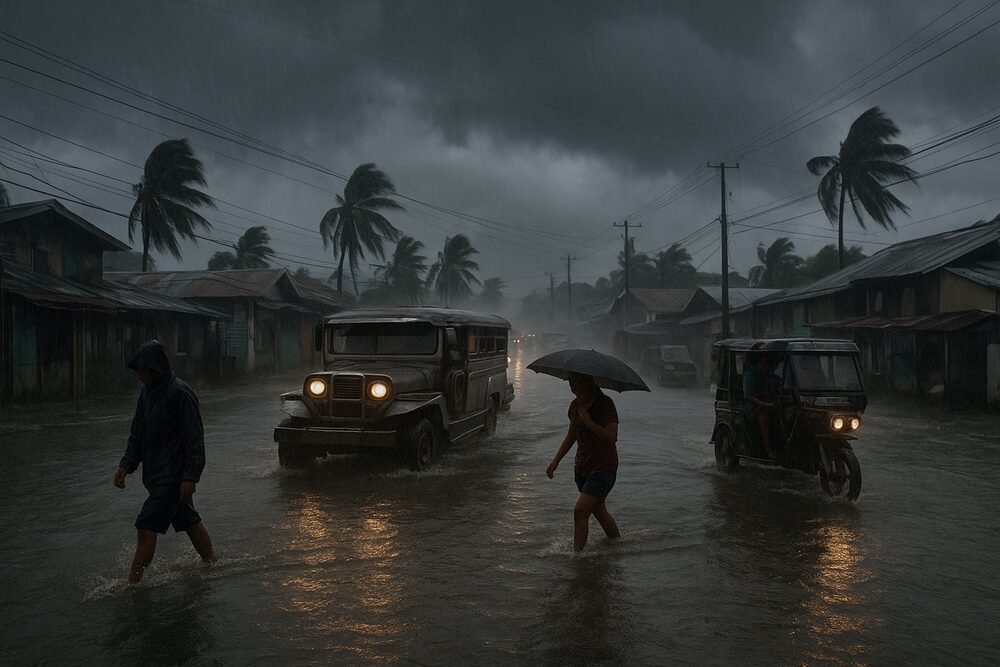
Forty-three provinces across the Philippines recorded above-normal rainfall from February 1 to 22, 2026, the state weather bureau said, as a short-lived La Niña continued to drench large swaths of the archipelago and heighten the risk of flooding and landslides.
In its latest assessment, the Philippine Atmospheric, Geophysical and Astronomical Services Administration (PAGASA) reported the following breakdown for the period: “Above normal: 43. Near normal: 20. Below normal: 11. Way below normal: 11.”
The figures reflect a notable increase from January, when 34 provinces logged above-normal rainfall, underscoring how conditions have intensified as the La Niña pattern peaked toward the end of the northeast monsoon season.
La Niña’s Lingering Grip
PAGASA first announced on December 5, 2025, the development of a short-lived La Niña in the tropical Pacific. Forecasters warned then of “Above normal rainfall this December until February next year. This may cause floods and rain-induced landslides.”
That forecast has largely materialized.
From the National Capital Region down to most of Mindanao, rainfall during the first three weeks of February ranged from near normal to above normal, with exceptions in Batangas, Cavite, and Basilan. In contrast, Northern to Central Luzon experienced mostly way below to below-normal rainfall, except for Batanes, Bataan, and Bulacan.
The shifting rainfall pattern illustrates La Niña’s uneven footprint: while some areas brace for floods, others grapple with drier-than-usual conditions.
January to February: A Noticeable Shift
The February surge marked a shift from January’s more mixed conditions. In January 2026:
34 provinces recorded above-normal rainfall;
11 provinces saw near-normal levels;
25 provinces experienced below-normal rainfall;
15 provinces had way below-normal totals.
Way below- to below-normal rainfall dominated much of Northern Luzon, except Apayao and Cagayan, and extended across most of Mindanao.
By February, however, the rain belt had expanded, covering large parts of the country from Metro Manila southward. The increase suggests that La Niña’s effects, though described as short-lived, intensified before tapering off toward early March.
Storm Impacts and Local Disruptions
The heightened rainfall has translated into real-world disruptions.
On February 5 and 6, Tropical Storm Basyang triggered widespread flooding in Iligan City, Lanao del Norte, compounding the already saturated ground conditions. Local disaster risk reduction offices documented submerged roads and affected communities as heavy rains overwhelmed urban drainage systems.
For many residents, especially those in low-lying barangays, the consequences extend beyond inconvenience. Flooded streets stall daily commutes and delay deliveries of basic goods, sometimes pushing up prices in wet markets. Farmers and fisherfolk face interrupted workdays, while small shop owners contend with fewer customers during downpours.
In Metro Manila and parts of the Visayas, persistent easterlies have brought frequent thunderstorms, occasionally prompting class suspensions and traffic slowdowns. In rural areas of Luzon and Mindanao, flash flood and landslide risks remain a constant concern during fieldwork and travel along mountainous roads.
River Basins and Dams Remain Stable
Despite the elevated rainfall totals, PAGASA reported that as of late February, all 18 major river basins — including the Pampanga, Agno, Bicol, and Pasig-Marikina-Laguna de Bay systems — were under non-flood watch status.
Key dams such as Angat and Pantabangan were likewise not under flood watch.
The absence of flood alerts signals that while rainfall totals have exceeded normal levels in many provinces, water systems have so far remained within manageable thresholds.
Thunderstorm Warnings Into March
Monitoring continues as the country transitions out of the La Niña pattern.
On February 28, PAGASA issued a thunderstorm watch for Ilocos Norte. By early March, easterlies were sustaining rains across much of the country. In its advisory, PAGASA cautioned that “Severe thunderstorms may trigger flash floods or landslides.”
The warning echoes December’s earlier caution that above-normal rainfall would elevate disaster risks, particularly in flood-prone and mountainous areas.
Preparedness Amid Weather Extremes
PAGASA, operating under Republic Act No. 10692, continues to monitor rainfall patterns, river basin levels, and broader climate indicators as part of its mandate on disaster risk reduction.
While no major river basins are currently on flood watch, the pattern of intense but localized downpours — a hallmark of La Niña and easterly-driven weather — leaves communities vulnerable to sudden inundation.
For now, the numbers tell a clear story: 43 provinces soaked beyond normal levels in just 22 days. As the dry season approaches, meteorologists and local officials alike remain alert, aware that in the Philippines, rainfall rarely falls evenly — and its consequences rarely do either.