The Department of Health (DOH) has called on local government units (LGUs) across the country to designate at least one road every week as a “Car-free Sunday”, framing the move as a public health intervention designed to combat rising obesity, improve air quality, and widen access to basic health services.
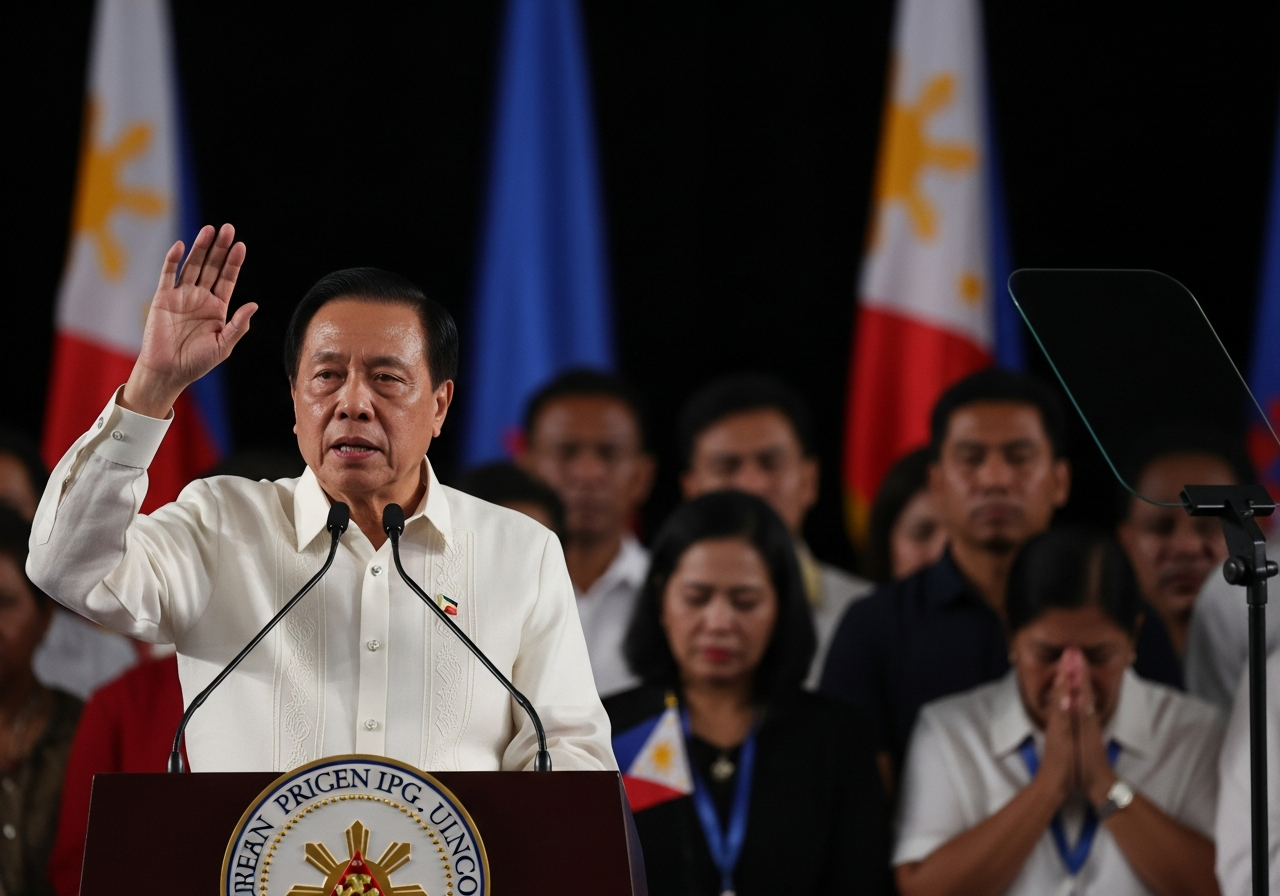
The appeal, made by Health Secretary Ted Herbosa in February, reinforces President Ferdinand Marcos Jr.’s 2025 State of the Nation Address urging local governments to open more public spaces for exercise and community activities. The DOH has since turned policy rhetoric into action with the launch of its “PinaSigla KalyeSugan Car-free Sunday & Healthy Market” program on March 1, 2026, along Tomas Morato Avenue in Quezon City.
A Street Reclaimed for Health
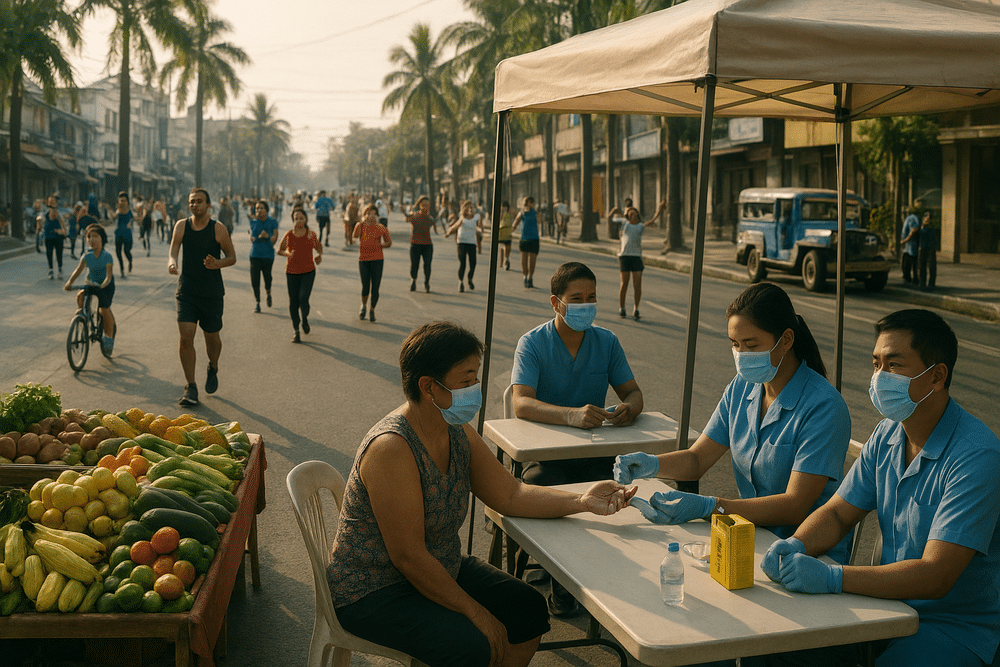
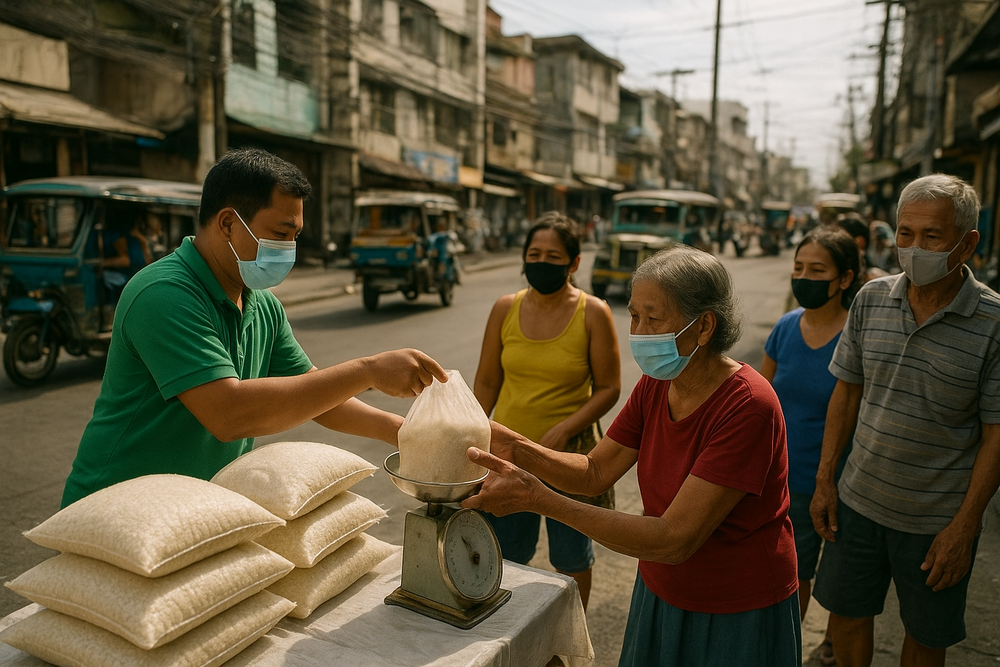
Under the initiative, vehicles give way to joggers, cyclists, families, and street vendors selling fresh produce. The program integrates free public health services—including HIV testing, blood sugar screening, and dental checkups—with access to affordable goods through government-backed Kadiwa markets.
“Ang gusto sana namin at least every Sunday may isang kalye sa isang local government unit na gagawing car-free para fresh ang air na hihinga natin, makapag-ehersiyo ang mga kababayan natin, at pangatlo, pwedeng mag-network at magkaibigan at kumain ng malusog na pagkain,” Herbosa said.
He added, “We want to see more services offered there. I hope the food being sold in these areas remains healthy, like it is here today.”
The concept reframes city streets as temporary public parks—corridors of asphalt transformed into shared civic spaces, if only for a few hours each week.
Metro Manila’s Growing Network of Car-Free Zones
Several Metro Manila cities have already institutionalized car-free Sundays through local ordinances and executive actions:
Pasig City pioneered the initiative in 2011 along Emerald and Caruncho Avenues, and has since expanded closures to five streets.
Quezon City enacted Ordinance No. SP-3345, S-2024, closing a portion of Tomas Morato Avenue from Timog Avenue every Sunday beginning December 8, 2024.
Makati City regularly shuts down Ayala Avenue for fitness activities.
Manila City designates portions of Roxas Boulevard for similar use.
In Quezon City, the designated stretch—from Timog Avenue to Scout Limbaga—remains vehicle-free until 10 a.m. every Sunday, creating a structured window for exercise and community engagement.
From Skepticism to Economic Uptick
When the idea was first introduced in Quezon City, not everyone welcomed it. Business owners along Tomas Morato Avenue expressed concern that closing the road would hurt weekend revenue.
“Previously, many did not want to support closing the streets. Businesses were afraid they would lose income in the mornings,” said Quezon City Mayor Joy Belmonte. “But the opposite happened.”
City officials report increased morning foot traffic as families linger after exercise to dine or shop, giving small eateries and vendors a boost. Though the DOH has not released monetary figures, anecdotal accounts from local establishments point to improved early-day sales.
Health Services Within Reach
Beyond recreation, the DOH has embedded preventive care directly into the program. At the March 1 launch in Quezon City, residents accessed free screenings that often remain out of reach due to cost or time constraints.
For students like James Kenneth Estrella of Quezon City University, the integration of health services into social activity resonates.
“We came here to participate and join the community… It’s about knowing the status of our bodies,” Estrella said.
Public health experts have long emphasized early detection of chronic illnesses such as diabetes and HIV. By situating services along pedestrianized roads, the DOH reduces barriers to testing—no appointment required, no hospital queue.
National Endorsement, Local Implementation
While the initiative has presidential backing following Marcos Jr.’s fourth State of the Nation Address in July 2025, implementation remains under local discretion. There is no national executive order mandating closures; instead, LGUs enact their own ordinances.
The DOH wants each local government to designate at least one car-free street every Sunday. The department sees the program as scalable and adaptable, with added components such as nutrition fairs or mobile clinics.
Public Health as Urban Policy
The push for car-free Sundays arrives amid broader concerns about sedentary lifestyles, air pollution, and the rising prevalence of non-communicable diseases. Obesity and diabetes rates have climbed steadily over the past decade, while Metro Manila continues to grapple with traffic congestion and poor air quality.
By temporarily reclaiming roadways, officials aim to reshape how citizens use public space. Streets built for traffic become venues for movement. Concrete corridors turn into gathering grounds.
For the DOH, the policy is less about restricting cars than about expanding access—to cleaner air, preventive medicine, affordable food, and a sense of community. Whether more LGUs nationwide heed the call could determine if car-free Sundays remain a Metro Manila feature or evolve into a national public health fixture.