NBA Targets 2026 Draft With New Anti-Tanking Reforms
The NBA is preparing sweeping rule changes for the 2026–27 season aimed at cracking down on “tanking,” a controversial strategy in which teams intentionally lose games to improve their chances in the draft lottery. Commissioner Adam Silver has told the league’s 30 general managers that reforms are coming, following what he described as a sharp rise in the practice this season.
“Are we seeing behavior that is worse this year than we’ve seen in recent memory? Yes, is my view,” Silver said during All-Star Weekend in mid-February. He added that the league was considering “every possible remedy” and had “very intentionally wanted teams to be on notice.”
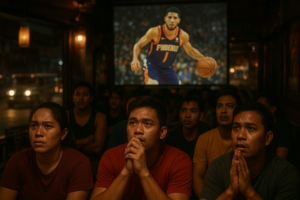
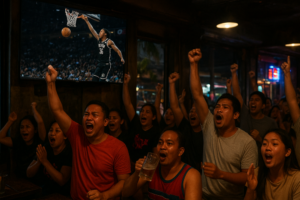
For Filipino fans — a global fan base that routinely packs sports bars in Metro Manila for live broadcasts and follows the league as closely as the local PBA — the changes could reshape the competitive landscape of the world’s most-watched basketball competition.
League Signals Major Draft Reforms
League discussions have intensified since December 2025, when initial anti-tanking concepts were presented at an owners’ meeting. By late January, the competition committee had taken up the issue, and on Feb. 19, Silver outlined to general managers a framework of reforms expected to take effect next season.
Among the proposals under review are restrictions on draft pick protections and possible adjustments to lottery odds allocation, measures designed to remove incentives for deliberate losing. The league has not yet released final details, but the direction is clear: the current system, even after a 2019 reform that flattened lottery odds, is no longer seen as sufficient.
Since 2019, the three worst teams in the league each have had a 14 percent chance of landing the No. 1 overall pick, down from the 25 percent once granted to the league’s worst record. The flattening aimed to discourage extreme tanking. League officials now believe teams have adapted.
Fines Underscore Escalating Concern
The warning has come with financial consequences.
In the week before Feb. 19, the NBA fined the Utah Jazz $500,000 (about PHP 28.5 million) for resting healthy stars Lauri Markkanen and Jaren Jackson Jr. in games on Feb. 7 and 9. The Indiana Pacers were fined $100,000 (around PHP 5.7 million) in a separate case.
The league cited conduct detrimental to the league, a broad internal provision that governs team behavior. Silver said the fines were part of a broader effort to scrutinize “the totality of all the circumstances this season in terms of teams’ behavior.”
Tanking can take multiple forms: trading productive veterans for draft assets, shelving healthy players late in the season, or prioritizing inexperienced lineups in ways that reduce competitiveness. The pattern has been most visible after the All-Star break, when standings crystallize and playoff hopes fade.
Roughly nine of the league’s 30 teams — about 30 percent — have drawn suspicion for post-All-Star tanking during the 2025–26 season.
Integrity at Stake
Inside league meetings, executives have expressed unusual consensus that tanking threatens what one summary described as the “integrity and long-term viability” of the NBA.
Even respected voices outside front offices have urged decisive action. Mike Krzyzewski, serving as a senior adviser, told general managers there should be a “prompt, tasteful ‘attack’ on the problem.” Phoenix Suns owner Mat Ishbia went further on social media, calling tanking “much worse than any prop bet scandal.”
The analogy reflects the league’s concern: in an era when sports gambling partnerships place added scrutiny on competitive authenticity, visible non-competitiveness can damage credibility.
The Rebuilding Dilemma
Not all stakeholders view tanking as purely cynical. For smaller-market franchises, the draft remains the most reliable avenue to secure superstar talent. Free agency tends to favor larger cities, and recent history shows that transformative players — including generational prospects — often enter the league through the lottery.
The NBA faces a delicate balance: deter strategic losing without eliminating legitimate rebuilding paths. Analytics-driven front offices have increasingly optimized for long-term draft capital, exploiting incentives embedded in the system. Altering lottery mechanics or limiting pick protections could blunt that calculus.
The challenge resembles tightening a sail without capsizing the boat — adjust incentives enough to restore competition, but not so drastically that struggling teams lose hope of recovery.
Impact Beyond U.S. Shores
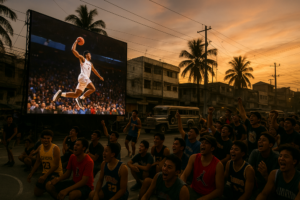
In the Philippines, where NBA games routinely air in the early morning and fuel discussions in offices, campuses, and barangay courts, competitive integrity resonates. When late-season matchups feel predetermined, fan engagement suffers — even thousands of kilometers away.
Stronger anti-tanking measures could preserve the drama that drives viewership on cable networks and streaming platforms. That, in turn, sustains a thriving ecosystem of merchandise retailers in major malls, youth basketball clinics, and sports bars that rely on marquee matchups.
While the rule changes will not directly affect local leagues or regulations, they matter in a country where basketball is woven into daily life.
Next Steps
The NBA’s board of governors and league office are expected to continue formal discussions in the months ahead, with reforms targeted for implementation before the 2026–27 campaign tips off.
Silver’s message to teams has been unmistakable: the era of passive oversight is over. After years of refining lottery mathematics, the league now appears ready to redraw the competitive map once more — this time to ensure that every game, from October through April, carries genuine intent.
For fans in arenas from Salt Lake City to Manila, the objective is the same: that every contest be played to win, not to lose.