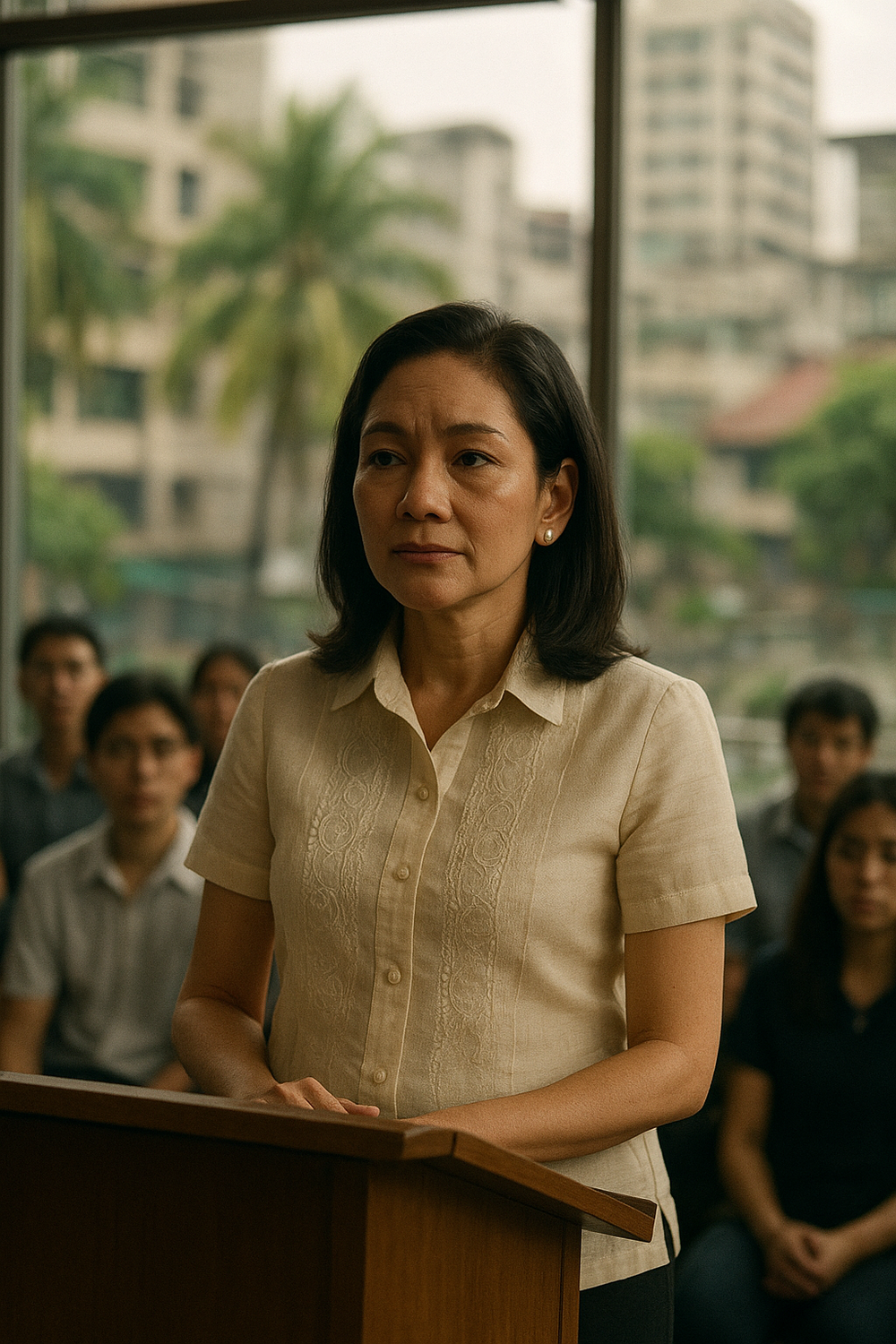
Former Department of Public Works and Highways (DPWH) Undersecretary Maria Catalina Cabral was questioned at the Office of the Ombudsman on December 3, 2025, just two weeks before her untimely death in a fall from a cliff along Kennon Road in Tuba, Benguet. Assistant Ombudsman Mico Clavano confirmed Cabral’s appearance as part of an ongoing probe into alleged anomalies in flood control projects, which uncovered possible irregularities involving millions in government funds. Her death on December 19 has sent shockwaves through government agencies and the public, intensifying concerns about corruption and safety in critical infrastructure sectors.
Cabral’s Sudden Death Casts Shadow Over Ombudsman Investigation
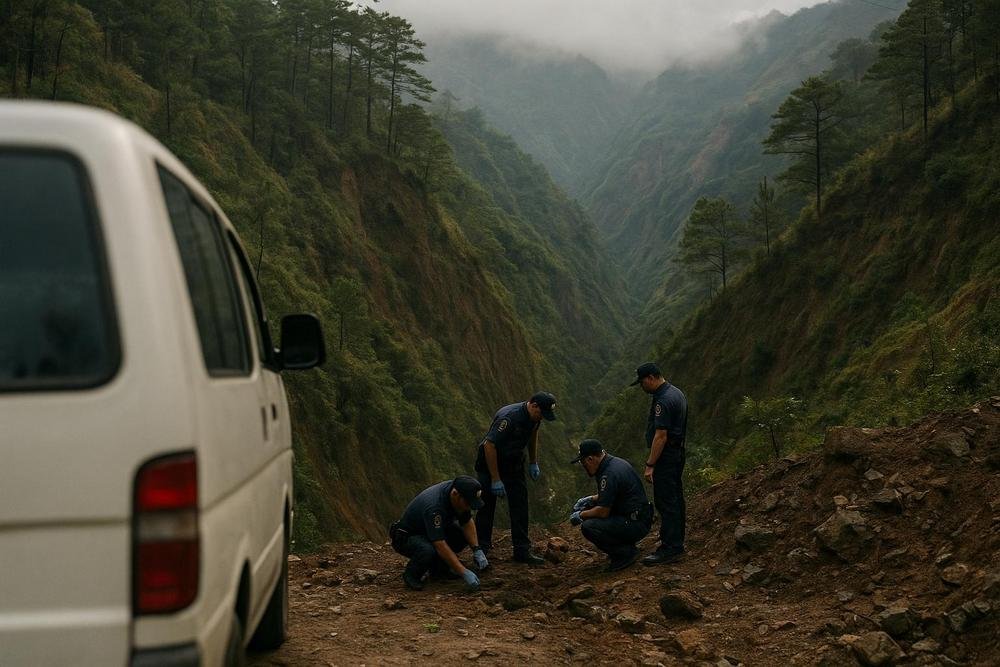
On the afternoon of December 19, 2025, Cabral and her driver were traveling along Kennon Road, a vital artery linking Benguet to La Union and Metro Manila, when she requested to be dropped off at Barangay Camp 5. Hours later, her body was recovered at the bottom of a 20-30 meter ravine near the Bued River, unconscious and declared dead on arrival at a local hospital. The driver has been named a person of interest by the Philippine National Police (PNP), as authorities continue to investigate the circumstances surrounding her fall.
The death takes place amid a highly sensitive and complex probe focused on flood control projects riddled with irregularities, including ghost projects such as a ₱96.5 million contract reportedly paid in full but never built. The Ombudsman now faces what Clavano calls “dangerous territory,” forced to accelerate the probe with limited cooperation from Cabral’s family, who have withheld consent for autopsy and DNA testing.
From Engineer to Undersecretary: Cabral’s Trail
Born on May 23, 1962, in Manila, Maria Catalina Cabral was a licensed civil engineer known for being the first female rank-and-file employee to ascend to the role of Undersecretary for Planning and Public-Private Partnership (PPP) at the DPWH. She had oversight of key infrastructure programming and PPP projects and sat on the National Irrigation Administration board, putting her at the nexus of critical budget planning processes.
Her resignation in September 2025 followed allegations of irregularities flagged internally by DPWH Secretary Bernardo Rafael. The resignation preceded increased scrutiny on flood control anomalies and budget insertions after the 2025 midterm elections, including an alleged but denied message from Cabral to Senate President Vicente Sotto III about 2026 budget insertions. These elements situate Cabral’s role at the heart of national infrastructure controversies.
The Ombudsman Probe: Anchoring Accountability Amid Corruption Allegations
The Office of the Ombudsman initiated its investigation after uncovering possible violations related to the Anti-Graft and Corrupt Practices Act (R.A. 3019) and statutes addressing plunder and malversation of public funds. Core to the probe are flood control projects, part of the National Expenditure Program, which appear to include at least one ghost project that involved over ₱96 million in payments for works that were never physically executed.
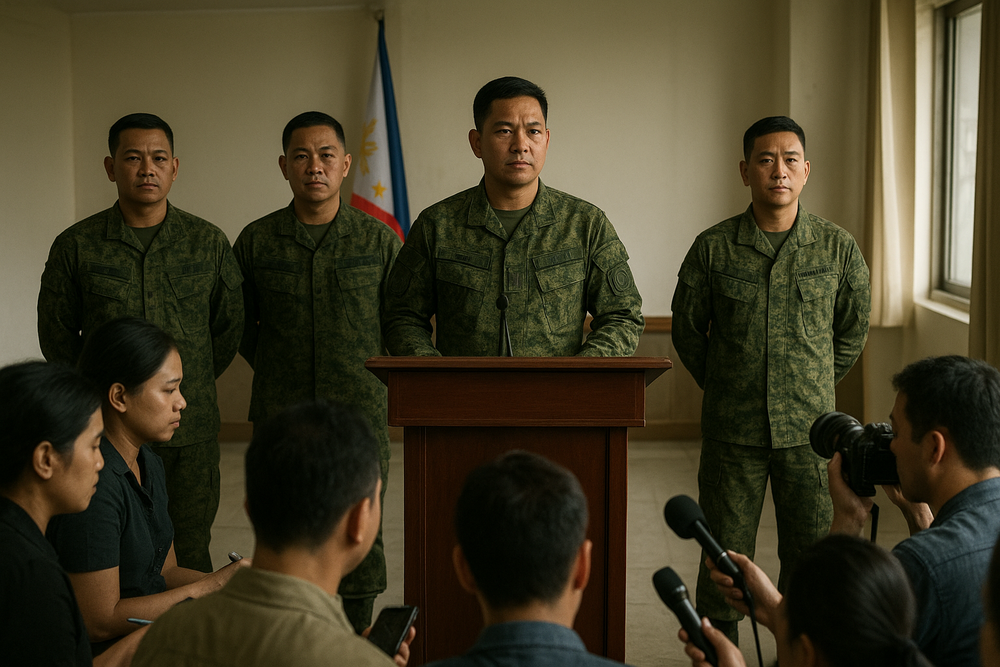
On December 3, Cabral was summoned and questioned by the Ombudsman. Clavano reported that she showed willingness to cooperate but also consulted with legal counsel. Importantly, she was offered protection—measures the Ombudsman deemed crucial given the sensitive nature of the inquiry. “This is precisely what we aimed to avert from the outset, which is why we were prepared to extend her the necessary personal safety measures… We find ourselves in a precarious situation here due to the involvement of numerous individuals,” Clavano remarked during a December 19 briefing.
With Cabral’s death, the Office of the Ombudsman affirmed its commitment to expedite proceedings using digital evidence and pursue accountability vigorously. Clavano underscored, “Our aspiration and objective here is to ensure that every verified amount, every centavo, every peso that we uncover as misappropriated and linked to the estate of former Undersecretary Cabral is recovered and returned to the government.”
Other Key Players and Reactions
-
- Philippine National Police (PNP):
The Benguet Provincial Police Office is conducting the criminal investigation into the death, naming Cabral’s driver as a person of interest amidst growing suspicion over potential foul play.
-
- Department of the Interior and Local Government (DILG):
DILG Secretary Jonvic Remulla reaffirmed that Cabral’s death would not halt justice. “The death of former DPWH Undersecretary Maria Catalina Cabral will not free her from the claws of justice… They will run after all those who stole the people’s money, dead or alive,” he declared.
-
- Independent Commission for Infrastructure (ICI):
Civil society groups like the ICI have called for a thorough probe into Cabral’s death, questioning possible foul play in a case entwined with huge sums of public funds and multiple implicated parties.
-
- Contractors and Malversation Cases:
Among those under investigation is contractor Sarah Discaya, facing malversation charges linked to the Mindanao ghost project valued at ₱96.5 million.
Societal Impact: Beyond Bureaucracy to Lives at Risk
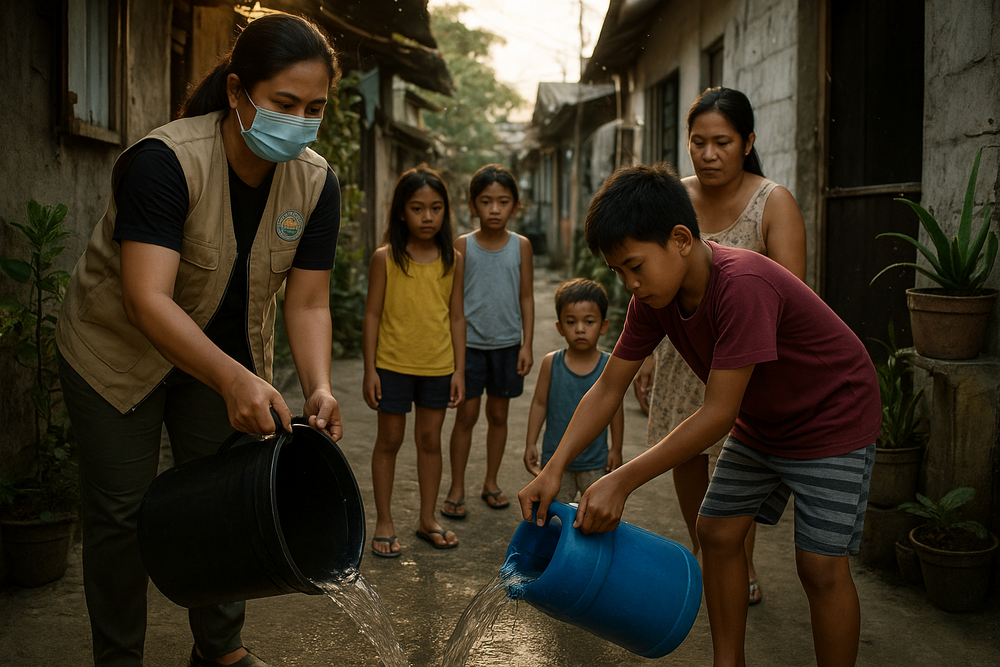
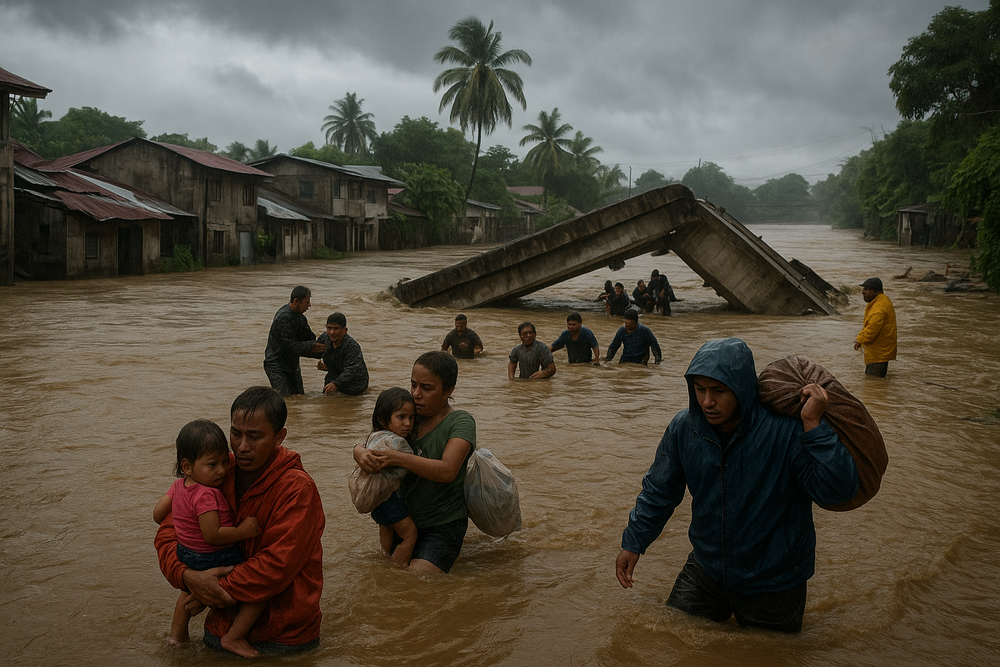
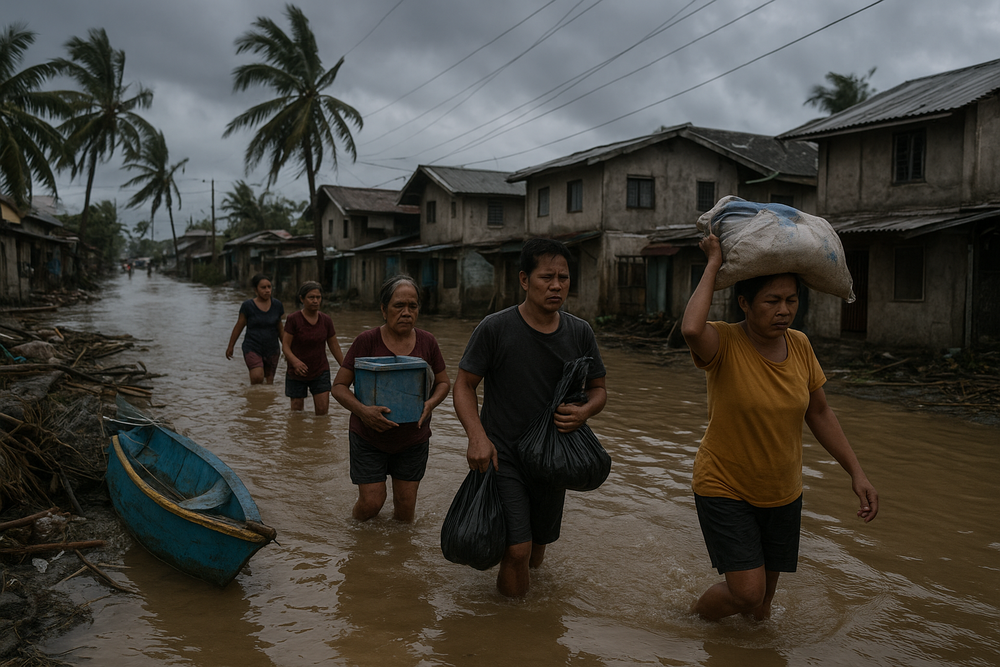
Flood control anomalies extend their consequences beyond financial misappropriation, directly threatening communities that rely on these infrastructure projects for basic safety. Flood-prone areas in Metro Manila and Mindanao experience worsening impacts during typhoons, as promised flood mitigation structures are delayed or outright unbuilt.
For victims in bayanihan communities—often composed of daily wage earners and informal settlers—the failure to deliver reliable flood control translates into lost homes, disrupted livelihoods, and strained budgets. The fallout of misappropriated funds also undermines vital employment opportunities within the construction sector, particularly for pakyaw (day labor) workers whose incomes are tied to national road maintenance and public works.
Looking Ahead: Justice, Recovery, and the Road to Transparency
The intertwined narratives of corruption, infrastructure, and tragedy cast a long shadow over the Philippines’ efforts to build resilient public works. While Cabral’s death complicates the path forward, government officials remain resolute in pursuing justice and recovering misappropriated funds.
As the Ombudsman expedites its investigation and the PNP probes circumstances surrounding Cabral’s fatal fall, the broader public watches closely. The case underscores the urgent need to safeguard transparency within agencies entrusted with managing billions in infrastructure budgets—budgets that literally build or break communities vulnerable to the country’s volatile climate and economic challenges.
Cabral’s story serves as a somber reminder of the human faces entwined in corruption’s ripple effects: bureaucrats navigating perilous inquiries, communities dreading floodwaters, and a nation grappling with accountability across hillsides and government halls alike.