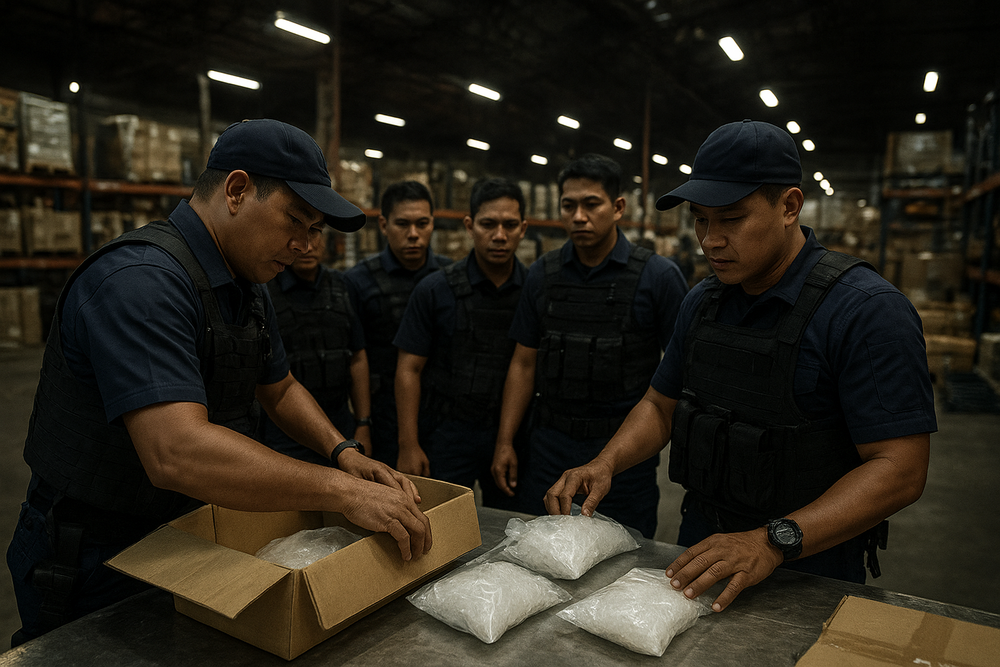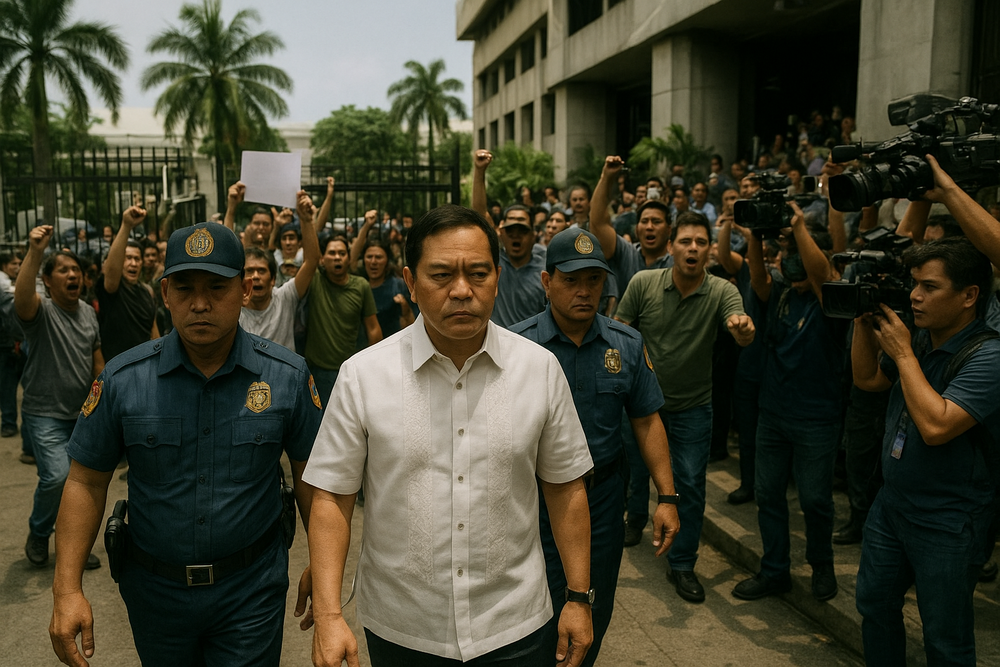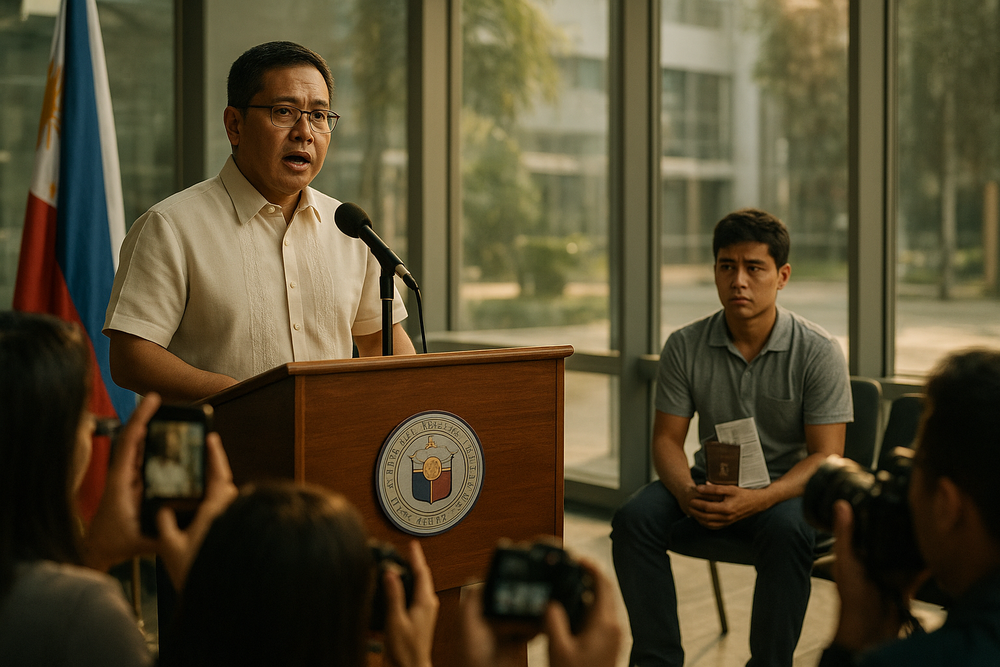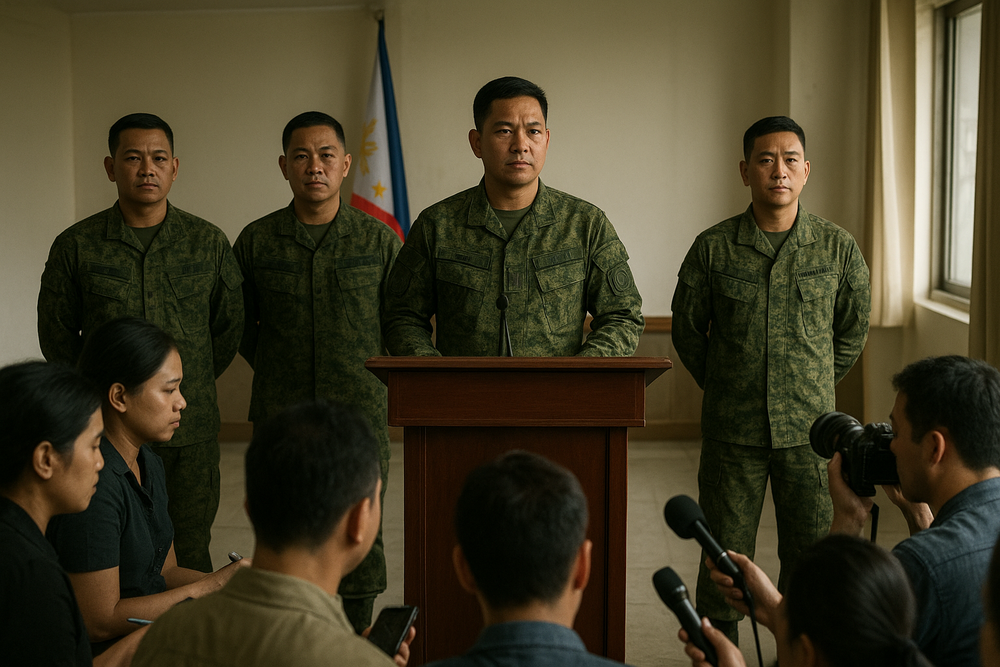
The International Criminal Court has authorized 500 victims to participate in the crimes against humanity proceedings against former Philippine President Rodrigo Roa Duterte, marking a significant step in a case that centers on thousands of killings linked to his anti-drug campaign. The decision, issued by ICC Pre-Trial Chamber I on 13 February 2026, clears the way for victims to formally present their views and concerns ahead of a confirmation of charges hearing set to begin on 23 February in The Hague.
The Chamber concurred with the assessment of the Court’s Victims Participation and Reparation Section, approving what it described as “Group A” applicants. In its ruling, the judges stated: “The Chamber, not having identified any clear, material error in this VPRS’s assessment, and recalling its flexible approach with regard to any minor discrepancies within victim applications, concurs with the VPRS’s assessment and decides to authorize the 500 Group A applicants to participate as victims in the present proceedings.”
A Case Years in the Making
The charges stem from alleged murders committed between 1 November 2011 and 16 March 2019, covering Duterte’s tenure as mayor of Davao City and later as president of the Philippines. Prosecutors allege that the killings formed part of a widespread and systematic attack against civilians in the context of anti-drug operations.
According to official Philippine figures, more than 6,000 people were killed during anti-drug operations. Human rights groups estimate the toll could be as high as 30,000, with many victims drawn from impoverished urban communities in Metro Manila and Davao.
The ICC found reasonable grounds to believe Duterte may be criminally responsible as an indirect co-perpetrator of murder as a crime against humanity. He was arrested on 12 March 2025 following an ICC warrant and transferred to the Court’s detention centre in Scheveningen, The Hague.
Arrest, Jurisdiction and Legal Hurdles
The Philippines withdrew from the ICC effective 17 March 2019. However, the Court retains jurisdiction over crimes allegedly committed while the country was still a member state. The relevant period in the case ends one day before the withdrawal took effect.
The arrest warrant, initially issued under seal on 7 March 2025, was made public four days later. Philippine authorities carried out the arrest in coordination with Interpol protocols. Duterte made his initial appearance via video link on 14 March 2025.
On 26 January 2026, the Court ruled that Duterte is fit to stand trial, rejecting arguments from his defence team that cited alleged memory impairment and questioned his capacity to meaningfully participate in proceedings. On 13 February, the judges also denied a defence challenge to that ruling.
What Victim Participation Means
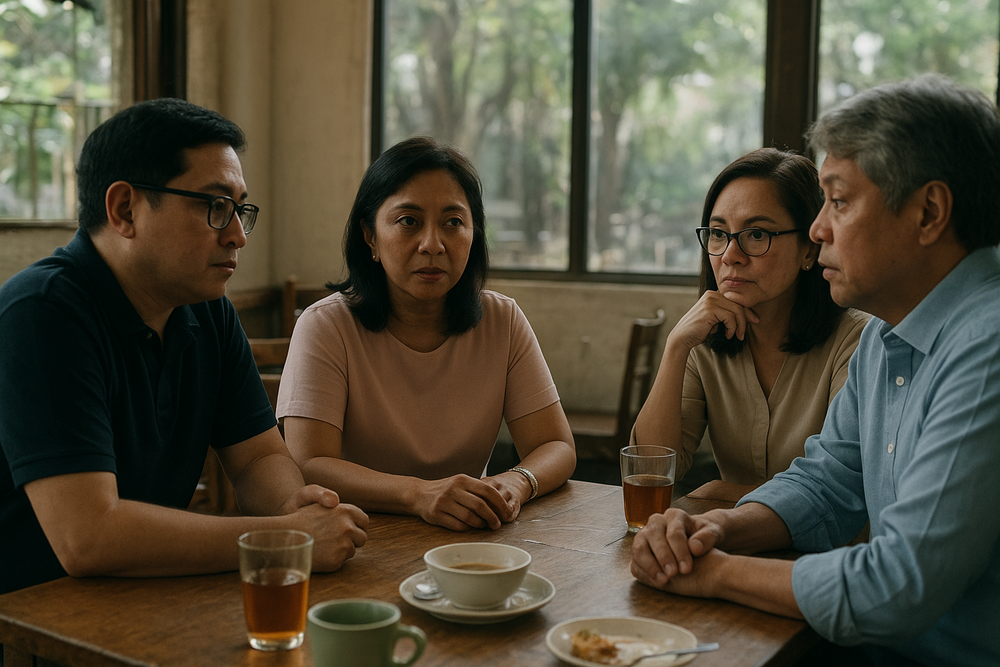
Unlike many national legal systems, the ICC allows victims to participate directly in proceedings through legal representatives. The 500 authorized individuals will be represented by a Common Legal Representative and may submit observations, attend hearings and seek reparations if the case proceeds to trial and results in a conviction.
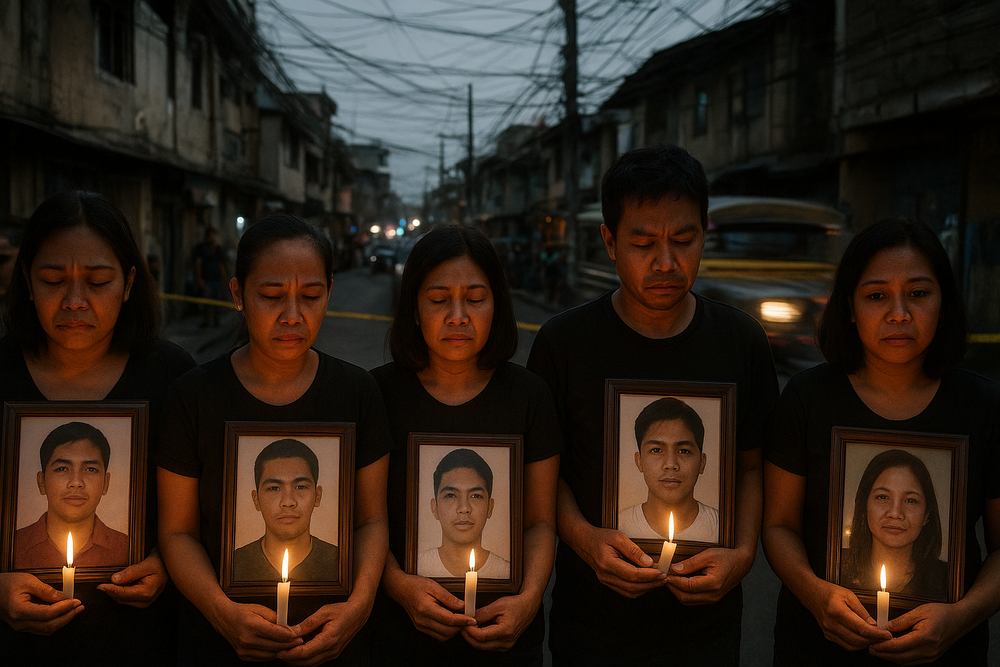
For families who lost relatives during anti-drug operations, the authorization carries symbolic and legal weight. In a country where many cases never reached domestic courts, this process offers a formal venue for their accounts to be heard — not as statistics, but as individual claims.
The Chamber emphasized its “flexible approach” in assessing applications, indicating that minor discrepancies would not automatically disqualify claimants. This acknowledges the practical difficulties many applicants face in producing documentation years after alleged crimes.
Political and Social Ripples
The ICC investigation has long divided the Philippines. The administration of President Ferdinand Marcos Jr. has described Duterte’s arrest as compliance with international obligations under Interpol procedures, rather than an act of political persecution. The investigation itself began in 2017, while the Philippines was still a member of the Court.
Duterte and his allies have denounced the proceedings as flawed. In 2018, he publicly remarked: “What is my sin? Did I steal even a single peso? Did I jail someone without due process? My sin is extrajudicial killings.”
At the heart of the case are families from densely populated urban communities — the country’s “masa” — whose lives were reshaped by sudden police raids and nightly gunfire. While the ICC process unfolds thousands of kilometres away, in a courtroom in The Hague, its emotional gravity remains anchored in neighbourhoods across Metro Manila and Mindanao.
The Road Ahead
The confirmation of charges hearing is scheduled for 23 to 26 February 2026. During this phase, judges will determine whether sufficient evidence exists to send the case to trial. If confirmed, it would mark one of the highest-profile prosecutions ever undertaken by the ICC involving a former elected head of state in Southeast Asia.
The participation of 500 victims transforms the proceedings from an abstract legal contest into a collective reckoning. It ensures that the case is not argued solely between prosecutors and defence counsel, but also carries the voices of those who claim they paid the highest price.
For now, the Court’s decision signals that the path to potential accountability remains open — measured, procedural and deliberate — as international judges weigh allegations that reshaped a nation’s recent history.