Philippine companies are being warned in stark terms: protect nature now or risk going out of business. With new mandatory sustainability reporting rules on the horizon and environmental risks intensifying across the archipelago, regulators are signaling that ecological stewardship is no longer corporate charity. It is a condition for survival.
The Securities and Exchange Commission (SEC) is preparing revised Sustainability Reporting Guidelines for publicly listed companies (PLCs), requiring detailed annual disclosures of climate and environmental risks through a new Sustainability Report (SuRe) Form. Firms that fail to comply face fines ranging from PHP50,000 to PHP1 million after the first offense. For industries built on extractive or resource-heavy models, the warning is unmistakable: adapt to a warming, resource-constrained world or face regulatory and financial penalties that could prove existential.
Mandatory Climate Disclosures Signal a Turning Point
The forthcoming SEC guidelines will require PLCs to disclose how climate change and environmental degradation threaten their operations, supply chains, and long-term profitability. Companies must outline risk management strategies, metrics and targets — effectively placing environmental performance alongside financial returns.
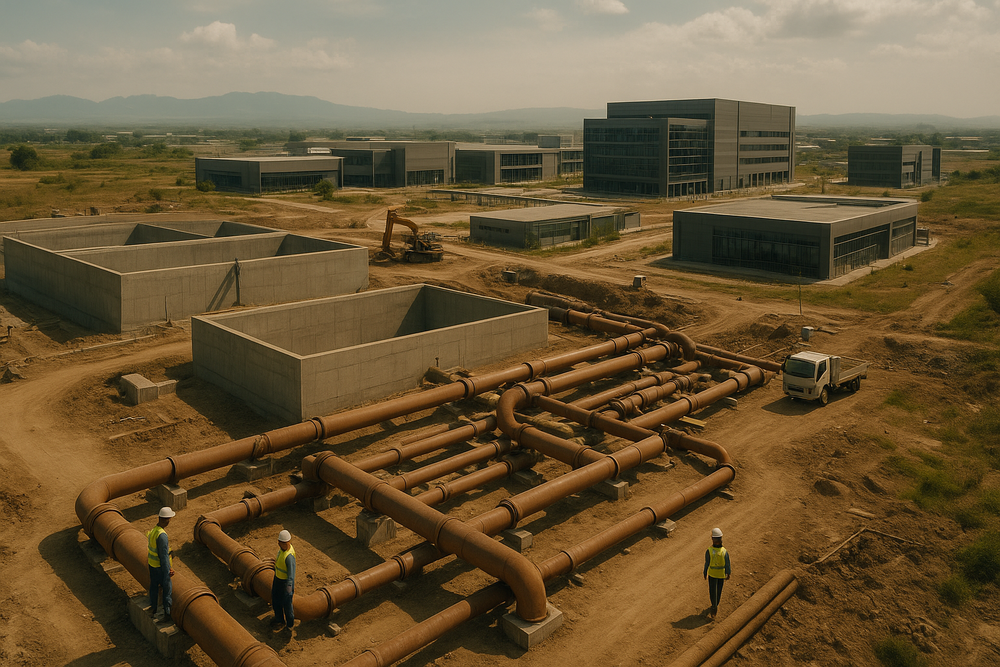
This shift aligns with broader legal obligations. Under Republic Act No. 9729, the Climate Change Act of 2009, the government must implement a national climate action framework. Meanwhile, mining and energy firms operate under the Philippine Mining Act of 1995 (RA 7942), which requires Environmental Compliance Certificates (ECCs) secured through a formal Environmental Impact Assessment (EIA) process. Standard reviews take up to 20 working days and are meant to assess baseline ecological conditions, projected impacts and community concerns.
Beyond compliance, companies have financial incentives to go green. The Philippine Green Jobs Act offers a 50 percent income tax deduction for expenses related to green jobs training and research and development.
For regulators, these mechanisms are designed to embed environmental accountability into corporate DNA. For companies, they represent a compliance threshold that can no longer be ignored.
Ambitious Climate Targets, Shrinking Environmental Budgets
The regulatory push comes at a moment of contradiction.
The Philippines ranks 7th globally in the Climate Change Performance Index (CCPI) 2026, placing it among high-performing nations. Under the Philippine Energy Plan (PEP) 2024, the country aims to raise renewable energy to 35 percent by 2030 and 50 percent by 2040. A coal moratorium, first implemented in 2020, remains in effect for new proposals.
Yet the 2026 national budget tells a more complicated story. The Department of Environment and Natural Resources (DENR) will receive PHP29.3 billion — just 0.43 percent of the PHP6.793 trillion national budget and nearly 15 percent lower than its 2025 allocation. Funding for biodiversity protection has been slashed by 65 percent, from PHP8.83 billion to PHP3.08 billion.
In contrast, the Department of Public Works and Highways (DPWH) has been allocated PHP530.9 billion, underscoring government emphasis on infrastructure.
The Climate Emergency Coalition criticized the imbalance, stating: “Larger allocation for infrastructure represents the lack of prioritisation of environmental protection and climate justice, the proliferation of false solutions, and the prioritisation of profit and kickbacks over the real needs of the people.”
Allocation for Manila Bay rehabilitation stands at PHP1.24 billion, a figure advocates say is inadequate given ongoing reclamation and dredging activities. The coalition added: “The government’s allotted budget for genuine environmental protection and rehabilitation reflects a devastating reality of weak climate action.”
Waste Crisis and Ecological Strain
The environmental risks confronting companies are not abstract. They are visible in smoldering landfills, polluted waterways and overstressed coastlines.
The Philippines generates roughly 40,000 tonnes of solid waste daily, yet only PHP349 million has been allocated for solid waste management in 2026. The government aims to establish materials recovery facilities in 4,164 barangays, but implementation has lagged. The country produces 2.7 million tons of plastic waste annually, while air quality levels average nearly five times below World Health Organization standards.
In January 2026, a landfill disaster in Cebu claimed lives, underscoring the human cost of systemic waste failures.
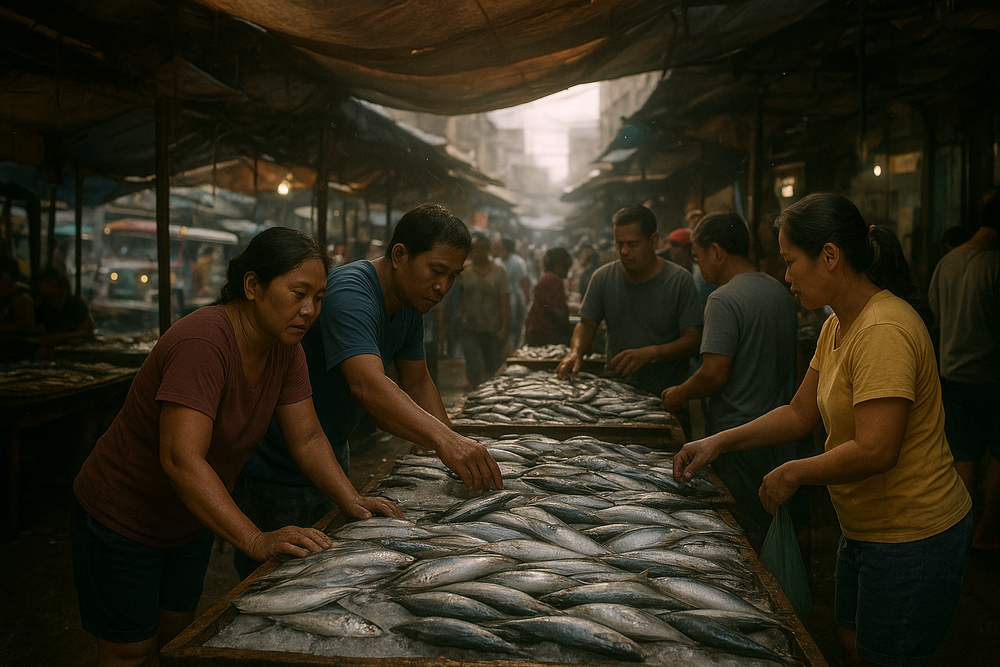
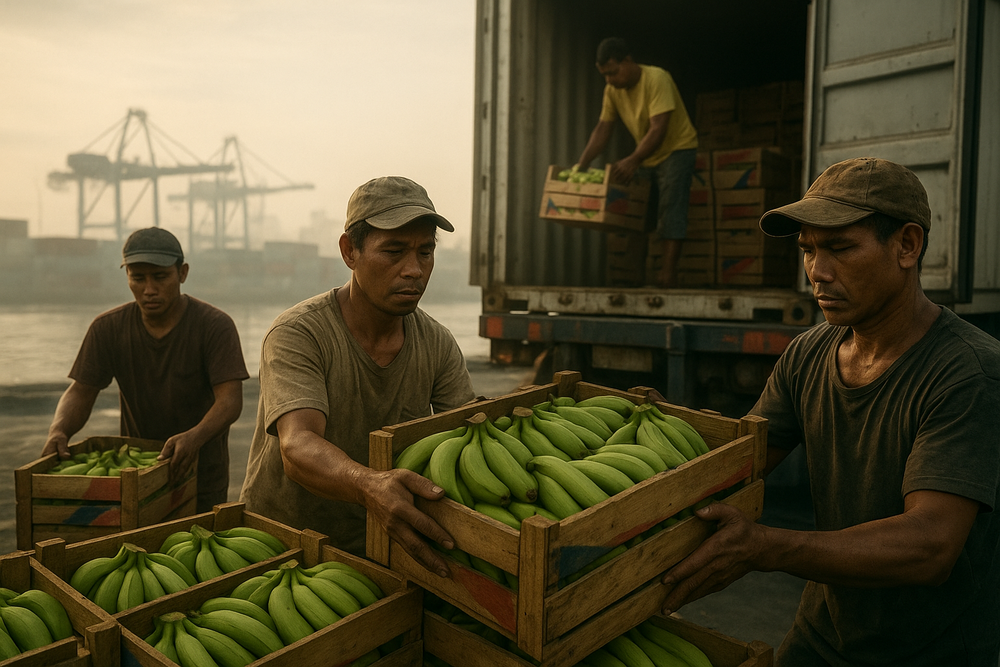
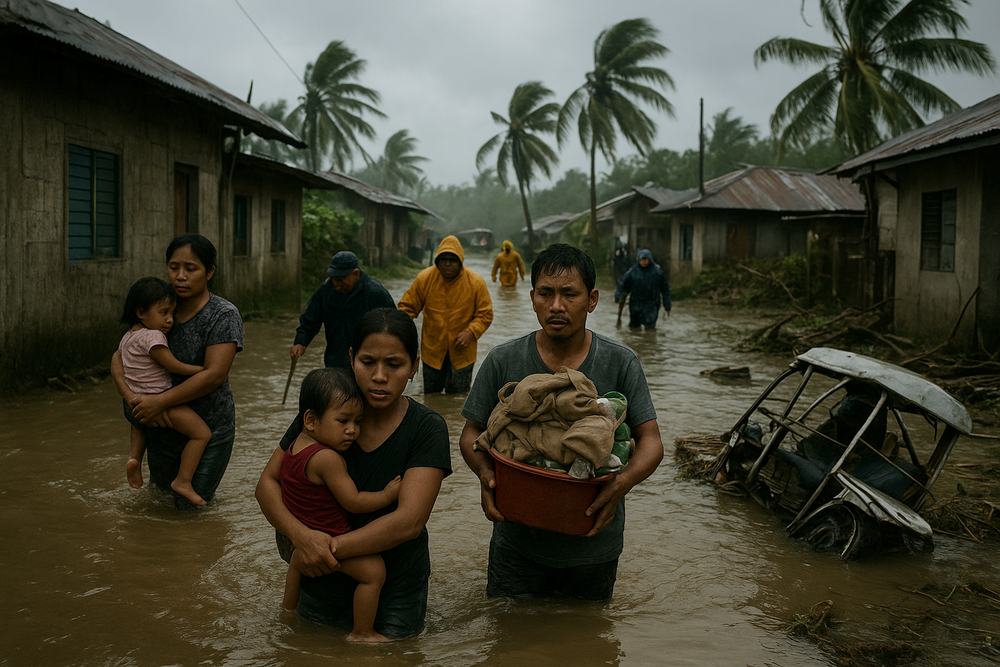
From flooded urban roads to damaged fisheries and crop losses, environmental degradation disrupts supply chains and consumer markets. For corporations, these are operational risks — rising insurance costs, raw material shortages and weakened consumer confidence.
Communities and Defenders at the Front Line
Mining and renewable energy projects must secure ECCs, yet civil society groups warn that weak enforcement and corruption pose significant threats to biodiversity and indigenous communities.
Under the Rules of Procedure for Environmental Cases, Strategic Lawsuits Against Public Participation (SLAPPs) are recognized as legal tactics used to silence environmental defenders. Advocates argue that stronger protections are needed.
“Environmental defenders must be protected, not harassed. Conservation efforts such as the Masungi Georeserve deserve genuine government support,” noted an analysis of 2026 environmental priorities.
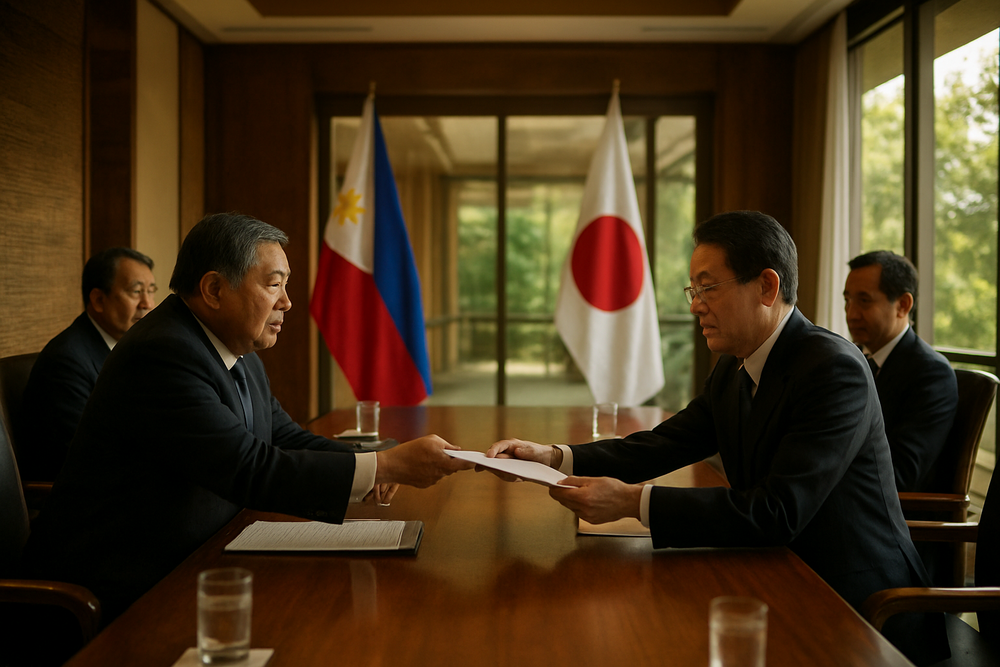
The tension is particularly pronounced as the Philippines assumes the ASEAN chairmanship in 2026, following the bloc’s adoption of the Declaration on the Right to a Safe, Clean, Healthy, and Sustainable Environment (ADER) in October 2025. The declaration sets a regional framework elevating environmental rights — and, by extension, corporate responsibility.
Nature as Balance Sheet Risk
In practical terms, companies that degrade ecosystems may now be eroding their own foundations. Flooded warehouses, disrupted logistics corridors and declining agricultural yields translate directly into financial loss.
Sustainability reporting forces boards and executives to quantify these exposures. It treats deforestation, water scarcity and carbon emissions not as distant moral concerns but as measurable business liabilities.
Even dietary shifts are entering the policy discussion. Advocates backing House Bill 7697 promote plant-based initiatives to reduce emissions. “Plant-based foods can potentially reduce negative climate impacts by up to 90%,” said Zof Leal, co-founder of Gulay Na!
Whether through renewable energy adoption, improved waste practices or responsible sourcing, the message to corporations is clear: environmental negligence is becoming too expensive to sustain.
Survival in a Climate-Constrained Future
The Philippines’ geography — an archipelago perched along the typhoon belt and the Pacific Ring of Fire — makes it acutely vulnerable to climate shocks. Businesses operating here face risks amplified by extreme weather, rising seas and biodiversity loss.
Regulators are tightening disclosures. Environmental laws remain in force. International commitments are expanding under ASEAN leadership. At the same time, constrained public funding heightens the pressure on the private sector to shoulder greater responsibility.
For Philippine corporations, the calculus is shifting. Sustainability is no longer a separate report appended to annual earnings. It is fast becoming a determinant of whether those earnings — and the companies themselves — will endure.