Filipino comfort food is riding an unlikely wave of economic change. In January 2026, dishes such as pork adobo and sinigang helped drive a surge in restaurant demand across the Philippines, even as the country recorded a 4.0% year-on-year rise in restaurant and accommodation prices. The increase came amid broader inflation pressures that remain moderate by regional standards, underscoring the resilience of household spending in Southeast Asia’s fastest-growing economies.
Data released by the Philippine Statistics Authority (PSA) earlier this month show that headline inflation accelerated to 2.0% in January, up from 1.8% in December. While still well within the Bangko Sentral ng Pilipinas’ 2–4% target range, the uptick reflects sharper price gains in utilities and services rather than a spike in food staples.
Restaurants Feel the Heat as Homegrown Dishes Drive Demand
The fastest acceleration was seen in restaurants and accommodation services, where inflation jumped to around 4% from 2.4% the previous month. Economists and policy officials attribute this not to shrinking demand, but to the opposite: more Filipinos eating out as basic food prices ease.
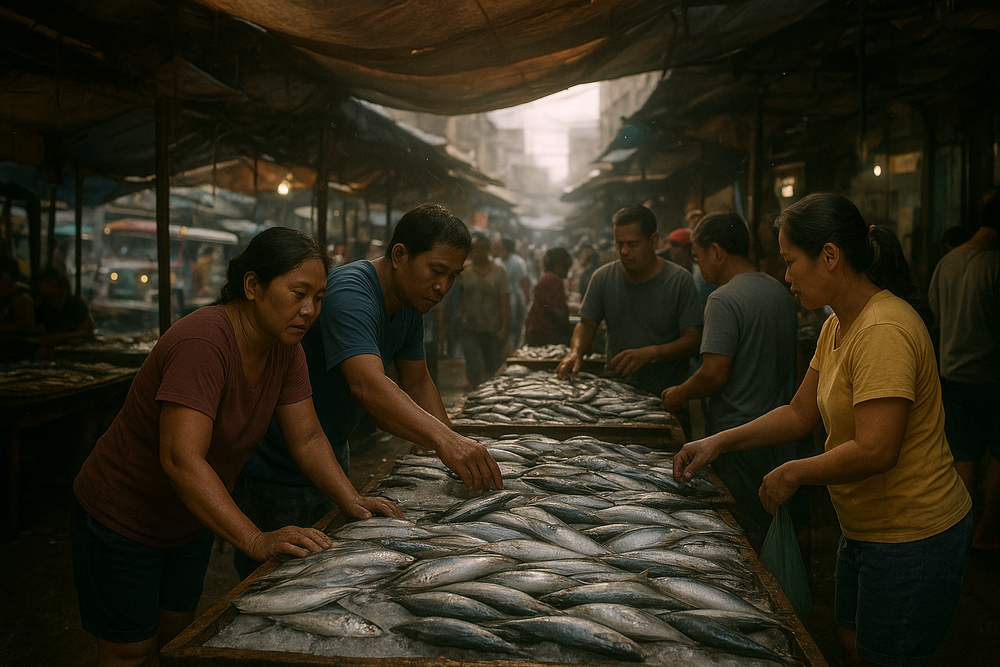
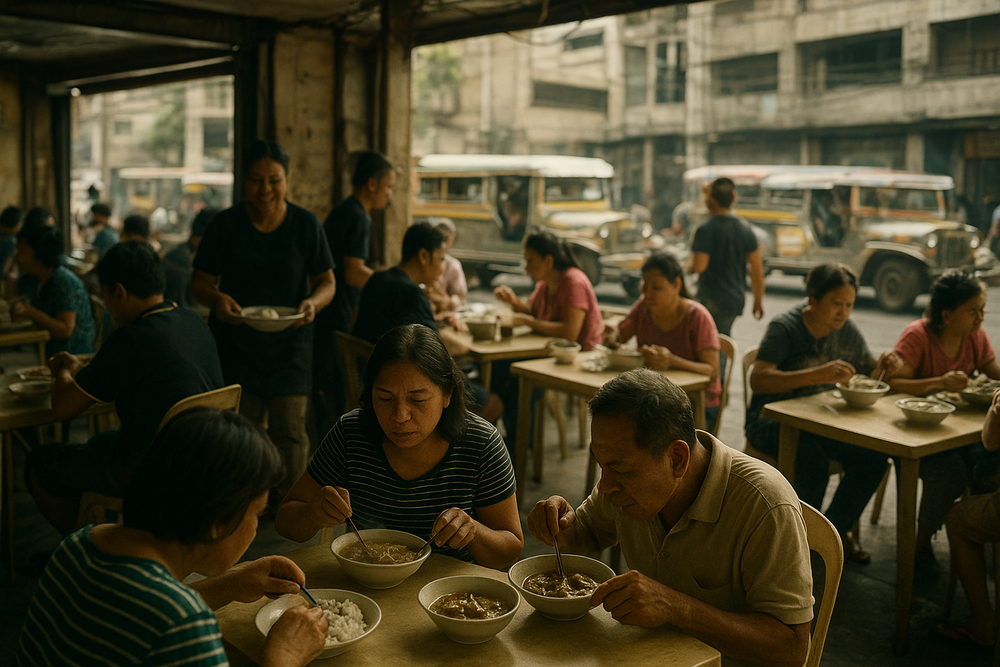
Affordable, familiar meals have become the go-to choice. Pork adobo—stewed in soy sauce and vinegar—and sinigang, a sour tamarind-based soup, are inexpensive to prepare and travel well from kitchen to table. Carinderias and casual eateries across urban and rural areas alike have reported brisk business, buoyed by households reallocating savings from cheaper rice to occasional meals out.
Rice Prices Ease, Softening Food Inflation
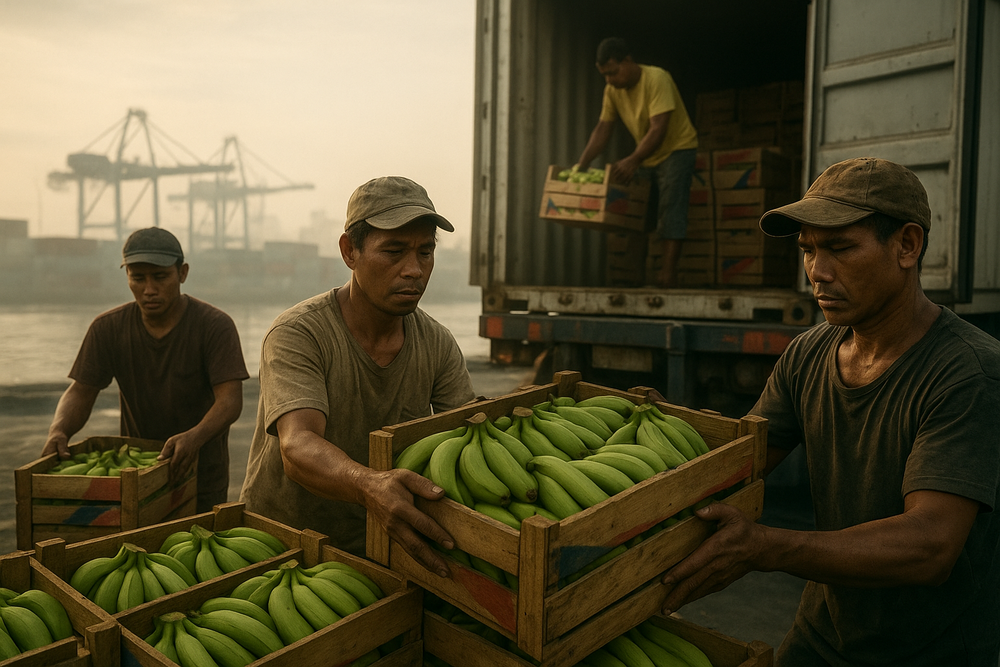
At the heart of this shift is rice, the country’s most sensitive commodity. Rice inflation remained negative at -8.5% in January, with average prices falling to PHP 47.21 per kilogram, down from PHP 51.75 a year earlier. As a result, overall food and non-alcoholic beverage inflation slowed to 1.1%, compared with 4.0% in January 2025.
The easing has helped keep daily food costs manageable, particularly for low-income households. For many families, cheaper rice acts like a pressure valve, freeing up small amounts of cash for other expenses—including the occasional restaurant meal.
Utilities, Not Food, Push Inflation Higher
The PSA said the main driver behind January’s higher inflation was housing, water, electricity, gas, and other fuels, which rose by 3.3% year-on-year. Electricity prices climbed even faster, at 6.5%, adding an estimated PHP 100 to PHP 200 per month to the bills of low-income households.
“The main reason for the higher inflation rate in January 2026 compared with December 2025 is the faster price increase in housing, water, electricity, gas, and other fuels,” said National Statistician Claire Dennis S. Mapa during the February briefing on the consumer price index.
This dynamic—higher service and utility costs alongside softer food prices—has produced a mixed picture on the ground. Sari-sari store owners and transport workers feel the pinch of electricity hikes, even as food affordability improves.
Impact on the Bottom 30%
For the lowest-income 30% of households, inflation stood at 1.6% in January, up from 1.1% in December but well below last year’s 2.4%. Government subsidies, including electricity lifeline rates linked to the Pantawid Pamilyang Pilipino Program (4Ps), have helped cushion the blow.
Still, the balance is delicate. Rising utility costs act like a slow leak in household budgets, while falling rice prices patch part of the hole. The net effect has so far preserved consumption without triggering the sharp cutbacks seen in past inflationary episodes.
Government Sees ‘Robust Household Spending’
Economic managers in Manila have framed the January data as evidence of steady momentum rather than overheating. Finance Secretary Frederick D. Go said the inflation rate “signals robust household spending,” calling 2026 a pivotal year for growth as domestic demand strengthens.
The Bangko Sentral ng Pilipinas echoed that assessment, describing the inflation outlook as “benign” with expectations “well anchored.” The central bank projects average inflation of about 3.2% in 2026, comfortably within its target band.
Why This Matters Beyond the Philippines
For smaller, open economies such as Malta, the Philippine experience offers a reminder that inflation is not monolithic. Price pressures can shift from food to services without undermining consumption, provided essential staples remain affordable.
In the Philippines, a bowl of sinigang has become more than comfort food—it is a signal of how targeted agricultural policy, easing commodity prices, and resilient demand can coexist with rising service costs. For now, diners are still ordering seconds, even as the bill edges slightly higher.