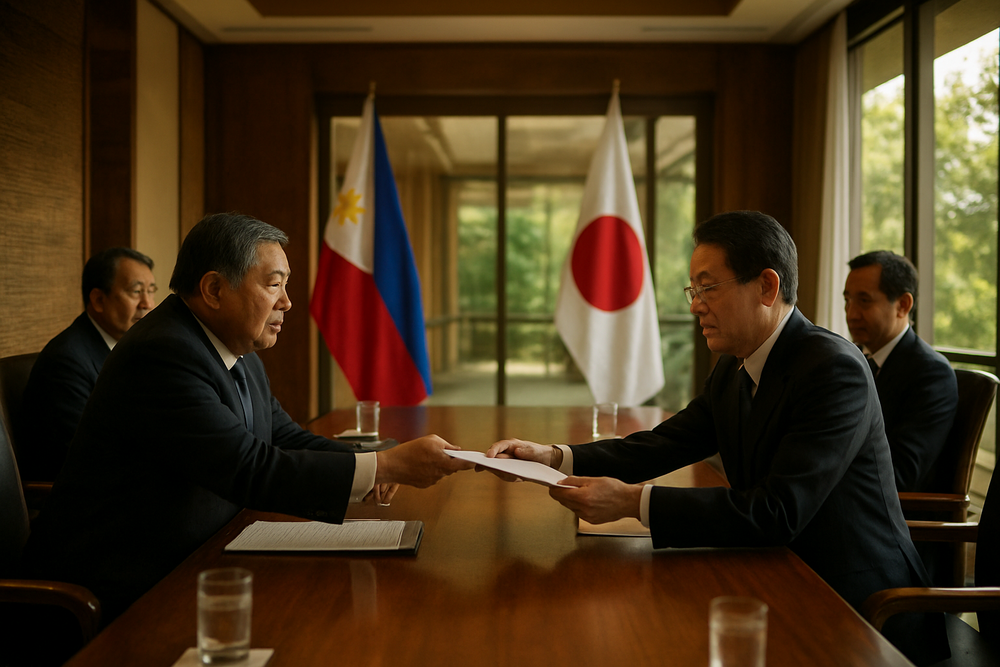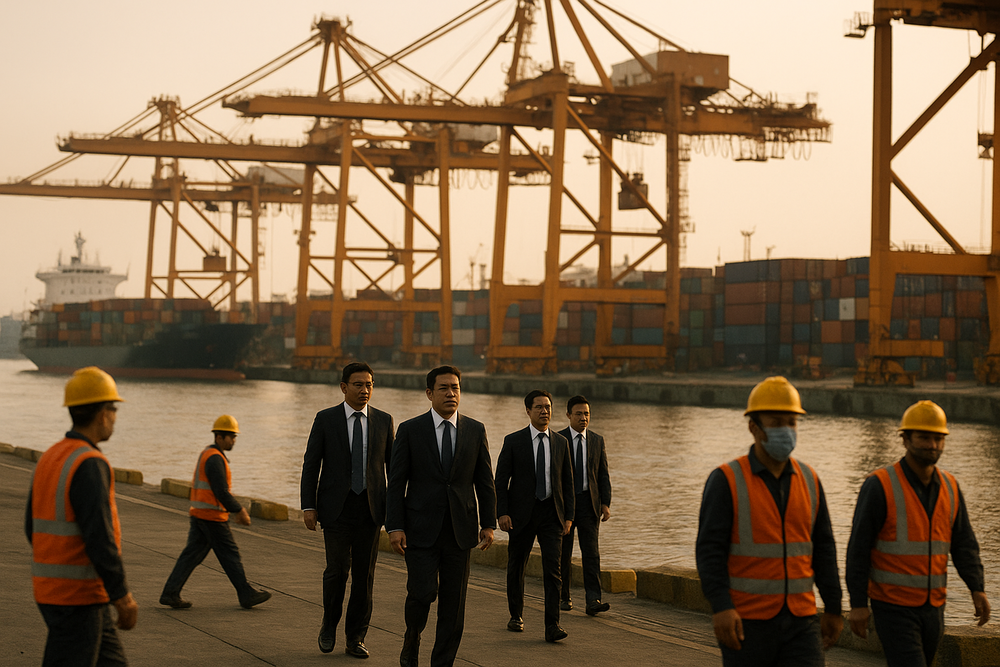
K-Water, South Korea’s state-run water utility, and Maynilad Water Services Inc. have taken a decisive step toward shaping the future of New Clark City, submitting a P15‑billion unsolicited proposal to manage water supply and wastewater services in the fast-growing development in Tarlac. If approved, the project would lock in a 50‑year joint venture with the Bases Conversion and Development Authority (BCDA), dramatically scaling up water capacity to meet the demands of investors ranging from industrial locators to data centers.
The proposal, confirmed complete by the Public-Private Partnership (PPP) Center on February 4, 2026, is now under BCDA review. The authority has a 10‑day window to respond before negotiations begin and the plan is opened to a Swiss challenge, allowing rival bidders to test the offer in the market.
A Long-Term Bet on Water Security
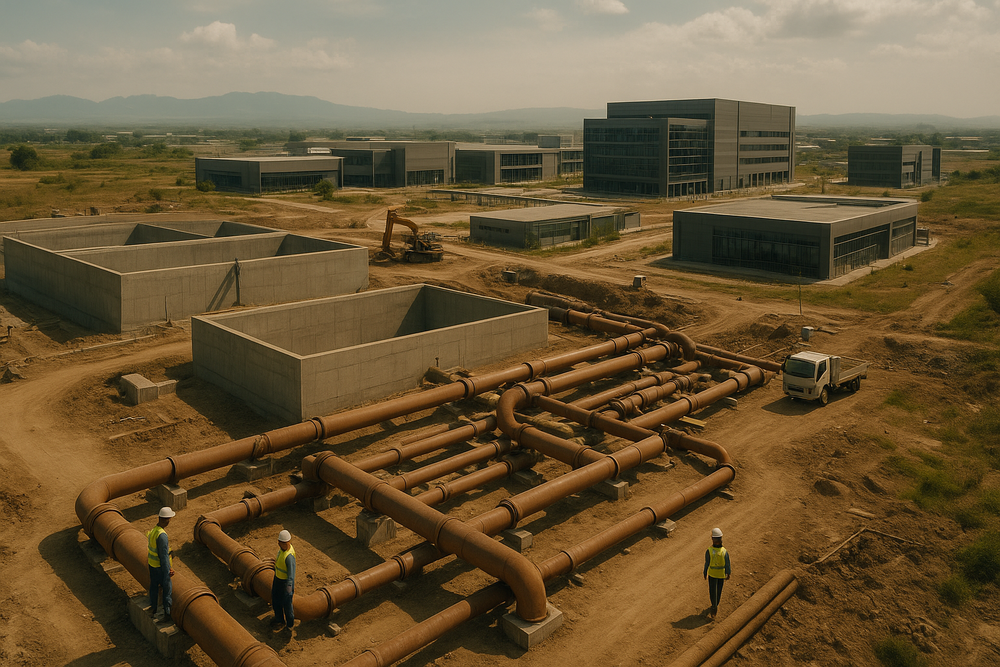
At its core, the proposal aims to expand New Clark City’s water supply from the current 20 to 30 million liters per day (MLD) to as much as 150 MLD, with provisions for further growth to 200 MLD. The expansion is designed to keep pace with the city’s transformation from a planned community into a regional economic engine.
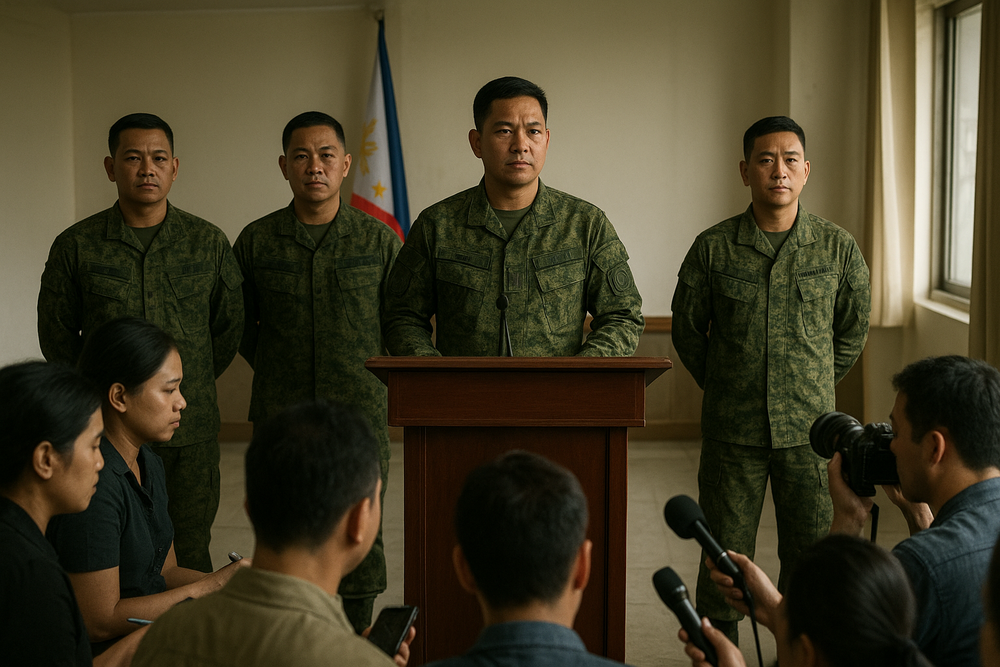
BCDA President and Chief Executive Officer Joshua Bingcang said reliable water access has become a central concern for investors, particularly data centers that require vast quantities of clean, uninterrupted water.
“This is our commitment to our locators, especially data centers, ensuring that water will be accessible promptly,” Bingcang said during a media briefing following the PPP Center’s confirmation.
From Short-Term Supply to a 50-Year Concession
At present, Maynilad supplies New Clark City under an annual contract set to expire in 2026. The proposed joint venture would replace this stopgap arrangement with a long-term concession, providing both water supply and wastewater management over half a century.
Under the plan, equity in the joint venture would be divided as follows: K-Water at 40%, Maynilad at 30%, and BCDA at 30%. The structure complies with Philippine regulations that cap foreign ownership of public utilities at 40%.
Bingcang said BCDA has begun its internal evaluation of the proposal. “We were given 10 days to respond regarding our acceptance of the proposal,” he noted.
Built on Years of Quiet Preparation
The unsolicited bid did not emerge overnight. In 2024, BCDA signed two memoranda of understanding with K-Water to conduct comprehensive water resource studies across several government-owned estates, including New Clark City, Camp John Hay in Baguio, and Poro Point in La Union.
These studies covered water source stability, leakage reduction in aging pipelines, smart water networks, and even the use of artificial intelligence in purification systems. The groundwork expanded in April 2025, when K-Water entered into a broader business agreement with BCDA, local estate managers, and the Provincial Government of Pampanga to pursue water infrastructure in emerging urban centers.
By October 2025, K-Water and Maynilad formally submitted their unsolicited proposal to the PPP Center, setting the stage for the current review.
A Test Case for the PPP Code
The proposal falls under the Philippines’ PPP Code for unsolicited projects. Once BCDA decides whether to accept the offer, the parties will negotiate final terms. The project will then be subjected to a Swiss challenge, a process that invites competing bids while allowing the original proponents to match the best offer.
For BCDA, which oversees the conversion of former military bases into civilian use, the deal aligns with its broader mandate to deliver large-scale infrastructure through public‑private partnerships—ranging from expressways to airports and now, essential utilities.
“As a pioneer in innovative water management solutions, K-Water will play a vital role in shaping the future water infrastructure in the BCDA’s economic zones,” Bingcang said.
Why Water Matters Beyond the Balance Sheet
Although New Clark City sits outside Metro Manila, its development is closely tied to the capital’s future. The city forms part of a national strategy to decongest the National Capital Region by pushing jobs, housing, and industries into Central Luzon.
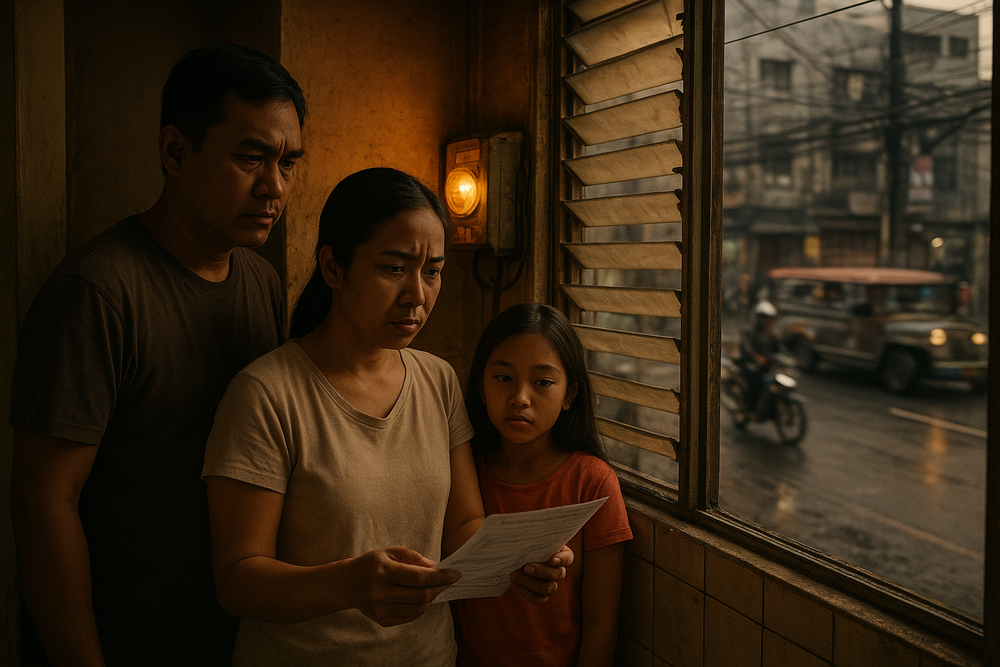
A robust water and wastewater system is the backbone of that vision. Without it, factories, offices, and residential districts cannot scale. With it, planners hope to attract investment, generate jobs, and support communities without repeating the shortages and pollution that plague older urban centers.
Pampanga Governor Dennis Pineda framed the issue in human terms. “Pampanga has long felt the need for a safe and sustainable water management system,” he said, adding that the partnership promises an improved quality of life for residents.
Global Expertise Meets Local Demand
K-Water, which manages dams and water systems across South Korea, has positioned itself as a provider of “smart” solutions—using digital monitoring to detect leaks, manage contamination, and optimize supply. Its chief executive, Yun Seog‑dae, has repeatedly linked water security to regional growth.
“The key to new town development — essential for regional and economic growth — lies in solving water supply issues,” Yun said during an earlier signing ceremony with local partners.
For Maynilad, the project represents an evolution from a short-term supplier into a strategic partner in a landmark development outside its traditional concession area.
What Comes Next
BCDA’s decision in the coming days will determine whether negotiations move forward. If the authority accepts the proposal, the ensuing Swiss challenge will test market appetite for one of the most ambitious water infrastructure projects tied to a Philippine new town.
For New Clark City, the stakes are clear. Water is not just another utility—it is the invisible framework holding together an entire urban experiment. Whether the K-Water–Maynilad bid withstands competitive scrutiny may well shape how quickly that experiment turns into a functioning, livable city.