Dengue infections recorded a sharp decline at the start of 2026, with health authorities reporting a 71% drop in cases compared to the same period last year. The Department of Health (DOH) said 7,471 cases were logged nationwide between 4 and 24 January 2026, a steep fall from 25,652 cases during the comparable window in January 2025.
Officials attributed the improvement to intensified prevention efforts and sustained public cooperation, while cautioning that the disease remains a year-round threat, particularly to young people.
A Sharp Decline After a Difficult Year
The scale of the reduction marks one of the most significant early-year improvements in recent dengue surveillance data. Health Promotions Bureau Director Tina Marasigan said the contrast with the previous year was stark. “During the same period last year, we logged 25,652 dengue cases in the country,” she noted.
Emergency measures were stepped up in early 2025 after rising case numbers strained hospitals and local health units. Those interventions, officials now say, laid the groundwork for the drop seen this January.
Household Habits at the Centre of Prevention
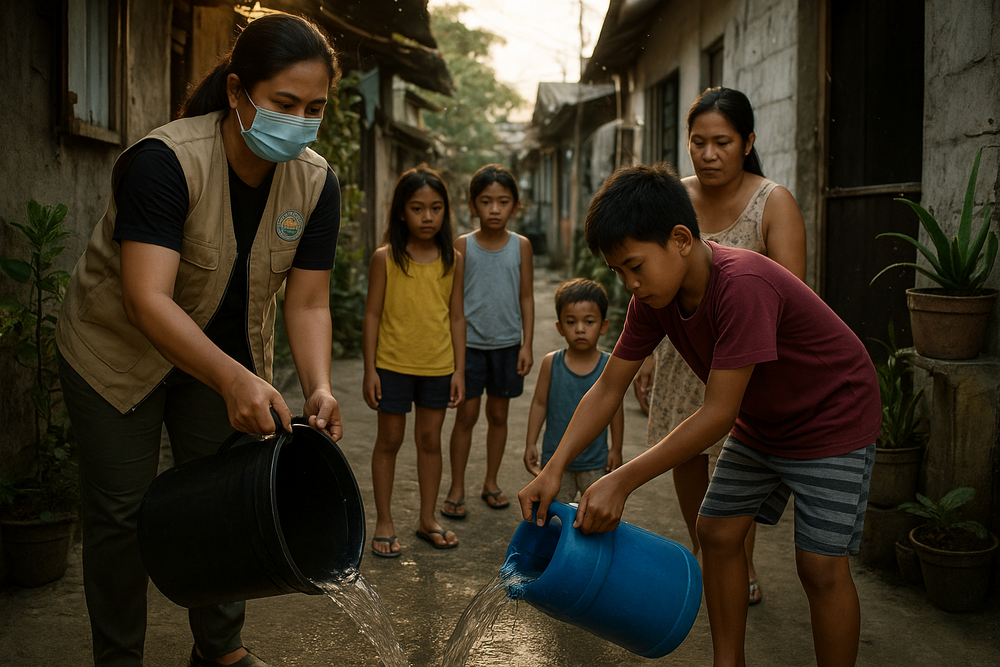
The DOH credited much of the decline to its nationwide prevention drive, the “Alas Kwatro Kontra Mosquito” campaign, which focuses on eliminating mosquito breeding sites at the household level.
The strategy is deliberately simple: residents are urged to turn over, empty, dry and cover water containers, preventing the Aedes aegypti mosquito from laying eggs. In dense neighbourhoods and rain-prone areas, even small pools of standing water can act like open invitations to the virus.
In statements, the DOH said it considers the intensified household campaign “an effective method” in cutting transmission, particularly when supported by local government clean-up operations of canals and drains.
Youth Remain Most at Risk
Despite the decline, health officials warned against complacency. Dengue continues to disproportionately affect young people, especially those who have not been infected before.
Health Secretary Teodoro Herbosa stressed that first-time infections carry higher risks of complications. “Those most affected are the youth, because if you haven’t had dengue before, you can be infected by a mosquito carrying the virus,” he said.
Severe cases can progress to dengue hemorrhagic fever, marked by low platelet counts, internal bleeding and, in some instances, the need for intensive care.
A Year-Round Threat, Not a Seasonal One
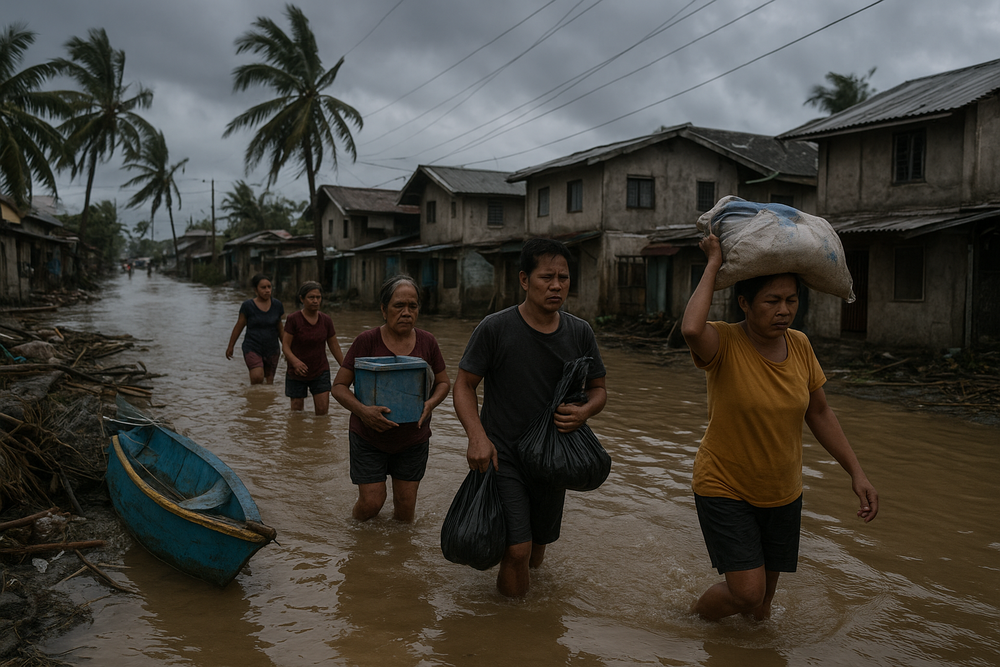
Authorities were also keen to dispel the idea that dengue is limited to the rainy or typhoon season. “It’s not just during the typhoon season. Dengue is present all year round,” Herbosa said during a radio address. “It just so happens that cases rise during the rainy season.”
This constant presence means that gains made in January could quickly be reversed if preventive habits lapse, a concern particularly acute for rural and underserved health facilities.
Long-Term Goals and a Fragile Window of Opportunity
The recent decline comes against a sobering historical backdrop. The country recorded 195,603 dengue cases in 2023, and more than 1.9 million cases between 2017 and 2024, underscoring how quickly outbreaks can escalate.
The DOH has set an ambitious target of zero dengue-related deaths by 2030, anchored on early detection, timely treatment and sustained prevention. Officials say January’s figures show progress is possible, but only if public cooperation continues.
For families and communities, fewer cases mean fewer hospital visits, lower medical costs and less disruption to school and work. Health authorities, however, remain clear-eyed: the virus has not gone away, and vigilance remains the most reliable defence.