Negros Oriental, Philippines — The tragic killing of a young female employee allegedly at the hands of her estranged partner has sparked national outrage and prompted urgent calls for a comprehensive review of workplace safety and domestic violence policies across the country. Authorities and human rights groups are calling the incident a wake-up call for organizations to adopt stronger protective measures for vulnerable workers, particularly women facing domestic threats.
Background: An Alarming Confluence of Work and Domestic Danger
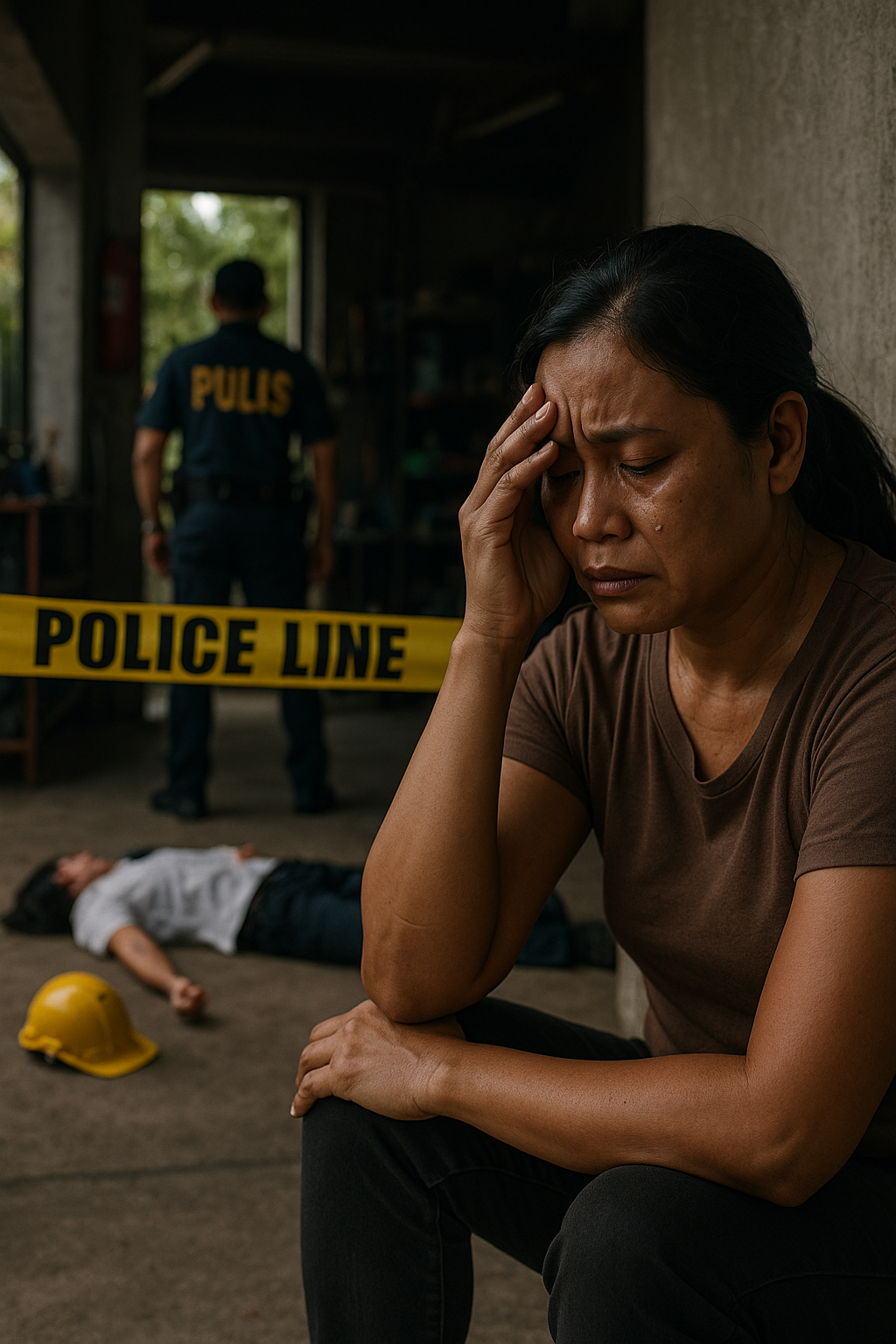
On June 18, a 27-year-old call center agent in Dumaguete City was fatally shot inside her workplace. According to initial police reports, her former partner forcibly entered the premises and used a concealed firearm to carry out the attack in front of horrified colleagues. The assailant later took his own life. This harrowing incident is only the latest in a growing list of domestic violence cases that breach the sanctuary of the workplace.
According to the Philippine Statistics Authority, one in four Filipino women has experienced some form of intimate partner violence. However, workplace safety protocols often remain uncoordinated with domestic violence protections, leaving a dangerous gap. Labor rights advocates say current corporate policies are insufficient to anticipate or prevent such threats.
Key Developments: National Review and Safety Urgency
In response to the incident, the Department of Labor and Employment (DOLE) announced it will initiate a thorough review of existing workplace safety and domestic violence policies. The focus will be on developing frameworks that integrate personal threat assessments with broader safety measures. An inter-agency task force has been proposed to oversee changes, partnering law enforcement with human rights and labor organizations.
“Businesses must recognize that domestic violence is not just a private issue—it profoundly affects workplace safety,” said Atty. Marissa Aquino, spokesperson for the Commission on Human Rights. “We are pushing for mandatory training for HR personnel, employee self-reporting systems, and better coordination with local police.”
Several major employers, including outsourcing firms in the Visayas region, have also begun their own internal audits of emergency protocols and employee support services. Tech company Innovatel Solutions confirmed it has expanded its internal hotline to offer 24/7 psychological support and active threat assessments for staff who may be at risk due to abusive relationships.
Additionally, the Senate Committee on Women, Children, Family Relations and Gender Equality is reportedly drafting a bill that would mandate inclusion of domestic violence risk mitigation strategies in occupational safety standards.
Impact Analysis: Heightened Concerns for International Students
With a growing number of international students and migrant workers in the Philippines, the tragedy also highlights particular vulnerabilities for foreign nationals navigating unfamiliar legal and workplace environments. Many international students take part-time work in customer service or support roles, often without robust policies to protect them from external threats.
“International students are especially susceptible,” said Dr. Aileen Martinez, a sociologist at the University of the Philippines. “They may lack knowledge of their rights, face language barriers, or fear reporting issues because of visa-related concerns.”
For students and overseas workers, this spotlight on unsafe workplaces underscores the need to proactively evaluate both the legal protections available and the safety systems at their places of employment. Organizations that do not address domestic violence as a workplace risk may inadvertently expose staff—especially migrants or students with limited local support—to serious harm.
The Commission on Filipinos Overseas recommends that foreign workers be familiar with key local laws such as the Anti-Violence Against Women and their Children Act (RA 9262), and voices grow louder for institutions to provide these resources proactively during onboarding sessions.
Expert Insights and Practical Tips
Experts advise a multi-pronged approach to improving safety in professional environments, particularly where the intersection of domestic and professional life is a growing concern.
- Early Reporting Systems: Institutions should develop confidential channels where employees can report threats or concerns stemming from personal relationships.
- Training for Managers: Supervisors and HR teams must be trained not only in crisis response, but also in identifying behavioral red flags that could signal imminent danger.
- Physical Security Audits: Entry procedures, ID scanning, CCTV, and onsite security personnel should be regularly assessed, especially in 24/7 facilities like call centers.
- Integration of Social Services: Companies should form partnerships with local shelters, mental health professionals, and legal aid services to make referral support more seamless for at-risk staff.
- International Student Orientation: Schools and employers should collaborate to include safety briefings and local support resources as part of the onboarding process for foreign nationals.
“When you shelter staff from real-world threats by treating the workplace as neutral territory, you leave them unprotected,” emphasized security consultant Joel Tenorio. “Employers must accept that domestic safety is crucial to workplace security.”
Looking Ahead: Policy Reforms and Cultural Shifts
Labor and gender equality advocates hope that this tragedy catalyzes a broader rethinking of how workplaces handle offsite dangers that become onsite threats. Some proposed recommendations include:
- Adding domestic violence risk screenings to occupational health programs
- Legal protections for employees who take leave due to personal security issues
- Insurance incentives for companies that adopt comprehensive threat management frameworks
International organizations, including the UN Women Philippines office, have called for engaging both the private and public sectors to create unified safety codes that consider the psychological and physical risks posed by abusive partnerships.
“No one should fear being harmed in the place where they earn their living,” said DOLE Undersecretary Patricia Santo Tomas in a recent press briefing. “This heartbreaking case will not be forgotten—it is our responsibility to ensure no one else suffers in silence while we look away.”
Reach out to us for personalized consultation based on your specific requirements.