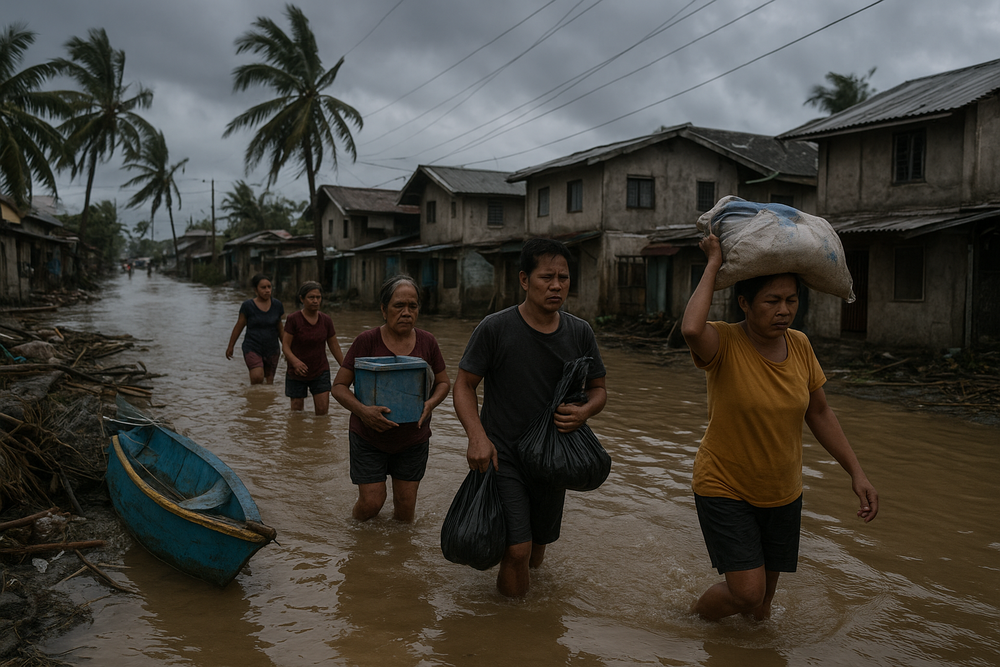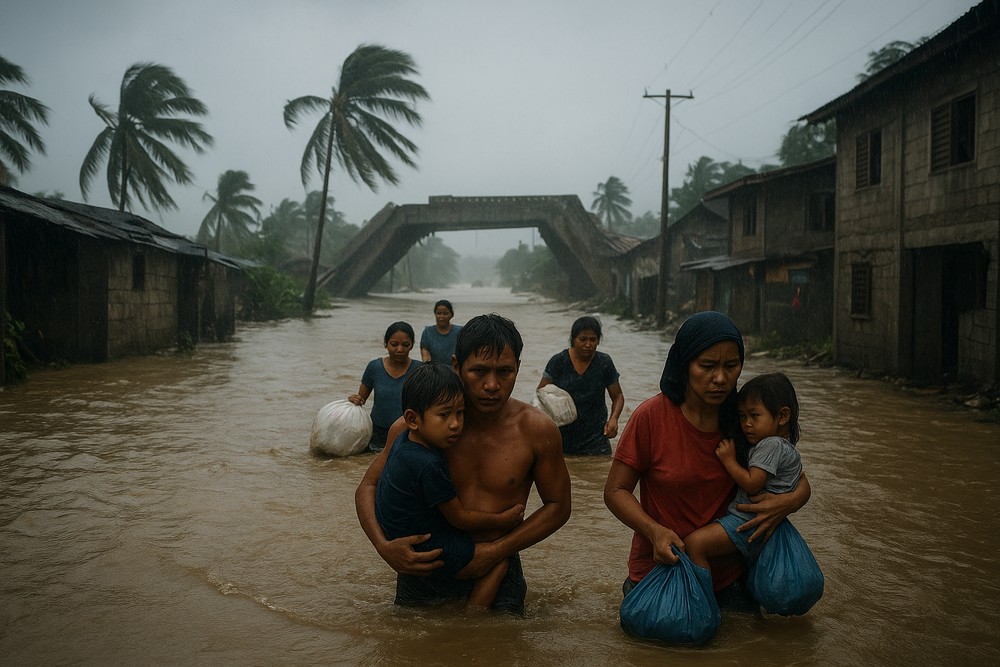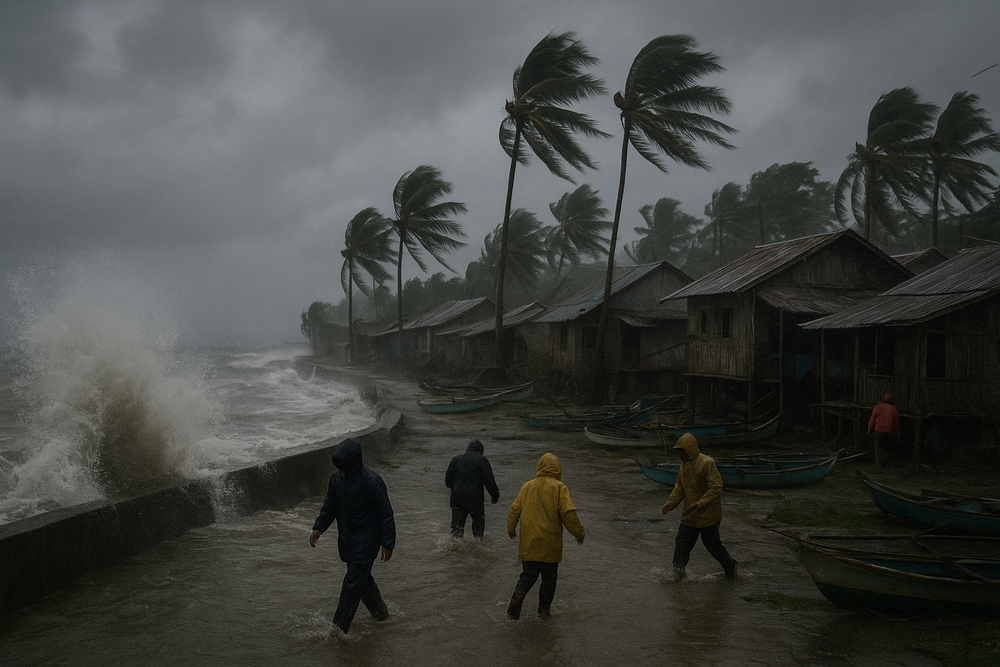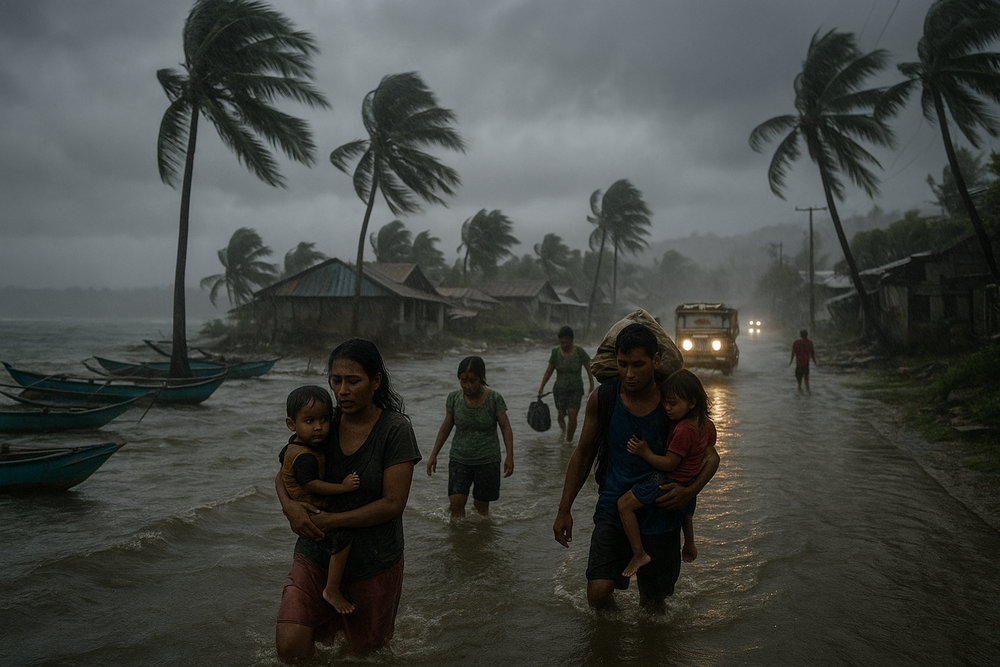
Cool northeasterly winds sweeping down from East Asia are set to bring cloudy skies and light rains over parts of Luzon and the Visayas, as the Philippines remains under the influence of the Northeast Monsoon, locally known as amihan. Weather authorities say the system poses no major threat, though coastal communities and commuters are advised to take routine precautions.
Light Rains, No Major Threats
The Philippine Atmospheric, Geophysical and Astronomical Services Administration (PAGASA) said amihan will cause partly cloudy to overcast skies with isolated light rains across Cagayan Valley, Aurora, Quezon, and sections of the Visayas. Metro Manila and much of the rest of Luzon may see brief showers, particularly in the early morning and late afternoon.
“The Northeast Monsoon (amihan) will bring cloudy skies with light rains over parts of Luzon and the Visayas on Thursday,” PAGASA said in its latest forecast bulletin, adding that no significant impacts are expected.
Winds and Seas Remain Generally Manageable
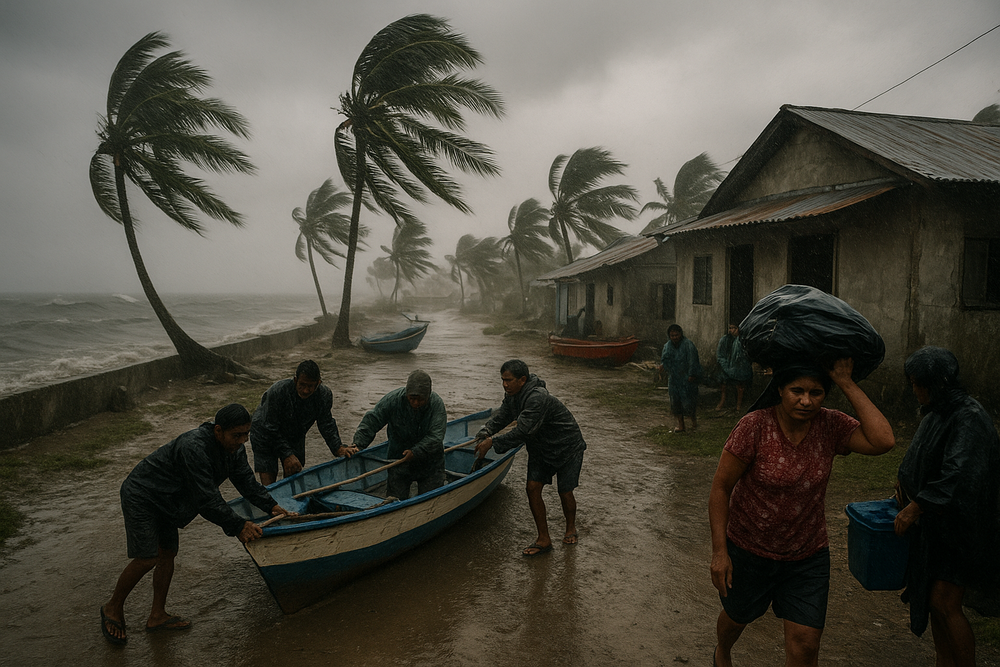
According to PAGASA, moderate to strong northeasterly winds are affecting northern Luzon, while the rest of Luzon and the Visayas are experiencing light to moderate winds from the same direction. Coastal waters off northern Luzon may be moderate to rough, prompting small fishing boats to remain cautious, but sea conditions elsewhere are expected to stay slight to moderate.
For fisherfolk and inter-island travel, amihan typically brings steadier, more predictable seas than the southwest monsoon, or habagat. Still, local authorities urged vigilance, particularly along exposed eastern coastlines.
A Seasonal System Driven by Distant Cold Air
Amihan is a seasonal weather pattern that usually runs from October until late March or April. It is generated by cold, high-pressure systems over Siberia that push dry, cool air southward. As these winds cross the Pacific Ocean, they pick up moisture, releasing it as light rain over the eastern Philippines.
In past years, PAGASA has linked stronger amihan episodes to intensified cold air surges. “For the past several days, strong to gale-force northeasterly winds have prevailed over Northern Luzon due to the strengthening of the high pressure system over Siberia,” PAGASA Administrator Vicente B. Malano said in an earlier seasonal briefing.
Possible Interaction With Frontal Systems
Forecasters are also watching for possible interaction between amihan and lingering frontal systems or shear lines, which can enhance rainfall in eastern sections of the country. Independent analysts note that this interaction occasionally focuses rains over the Visayas.
“Prevailing Northeast Monsoon (Amihan) and the Shear Line will continue to affect our country. The Shear Line will remain focus along Visayas,” said Mike “Mr. Typhoon” Padua, senior typhoon specialist at Typhoon2000, in a recent analysis.
Daily Life Under Amihan
For many residents, the monsoon’s arrival is felt less as a hazard and more as a subtle shift in mood: cooler mornings, a need for light jackets at dawn, and intermittent drizzles that can slow traffic or dampen open-air markets. Farmers in parts of Cagayan Valley often welcome the light rains, which hydrate rice paddies without triggering floods.
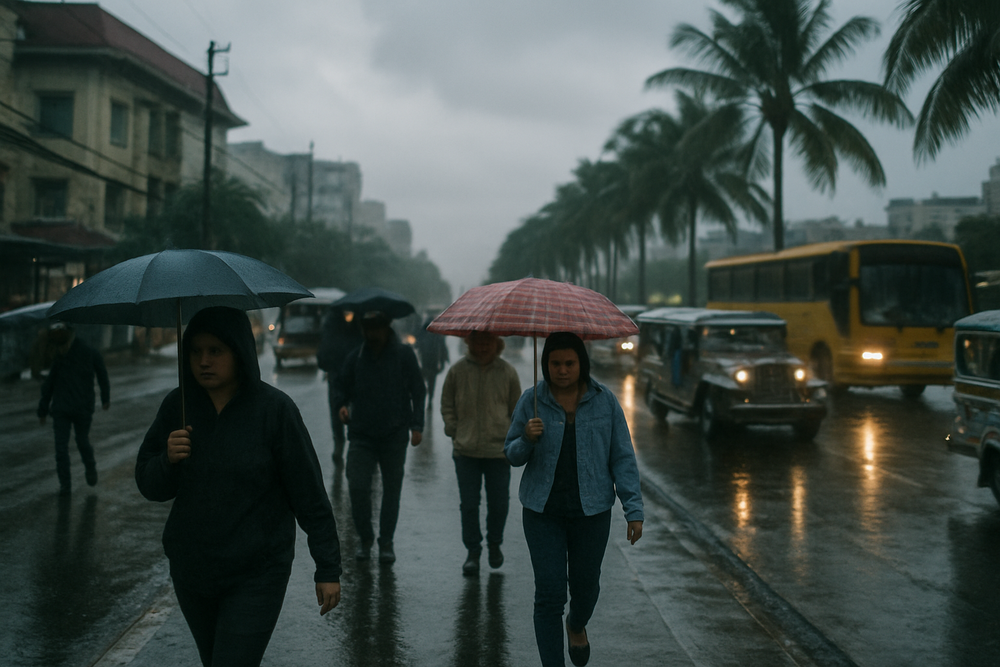
In urban centers like Metro Manila, amihan-driven showers tend to be brief but inconvenient, striking during rush hours and fueling brisk sales of umbrellas and raincoats. Schools and offices, however, are unlikely to see disruptions as conditions remain generally fair.
Authorities Urge Routine Precautions
PAGASA stressed that while no alerts are in force, the public should continue to monitor daily weather bulletins, especially coastal communities and small-scale fishers. The agency operates under its mandate to support disaster risk reduction, even during routine seasonal events such as amihan.
Weather conditions are expected to gradually improve as the monsoon weakens over the coming weeks, returning much of the archipelago to drier, clearer days typical of the season’s later phase.