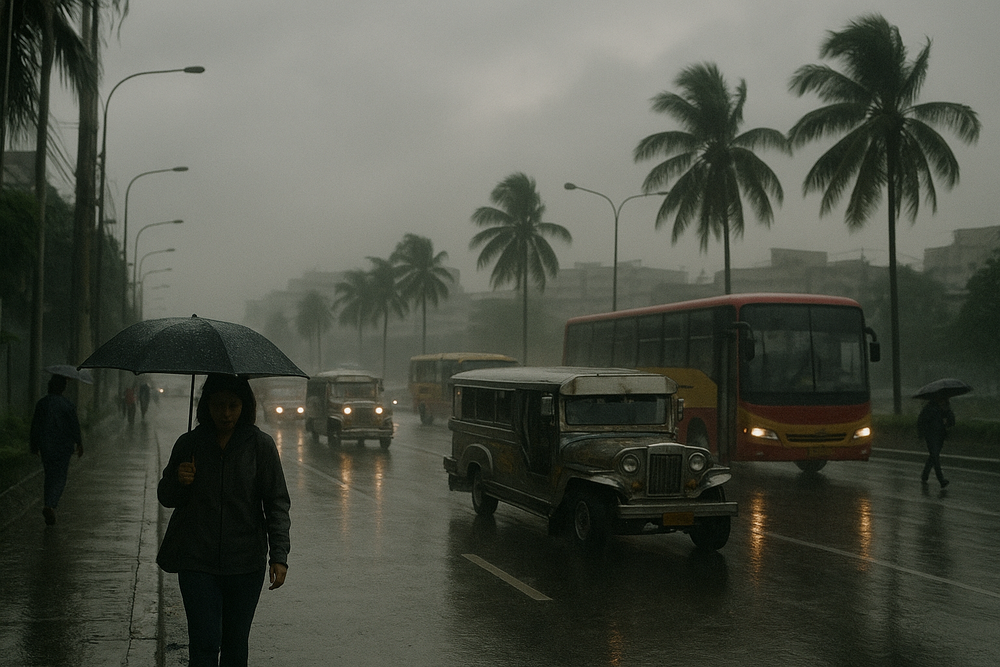
Cloudy skies and scattered light rains are expected to persist across large parts of the Philippines this weekend as the northeast monsoon, locally known as “amihan,” continues to dominate weather conditions over Luzon, while a shear line affects parts of the Visayas and eastern Southern Luzon, according to the Philippine Atmospheric, Geophysical and Astronomical Services Administration (PAGASA).
The situation, while largely seasonal, carries practical implications for commuters, coastal communities, and fisherfolk, particularly as winds strengthen and seas turn rough in northern and central portions of the archipelago. Meteorologists emphasised that no tropical cyclone is currently threatening the country.
Amihan Brings Cooler Air and Light Rains to Luzon
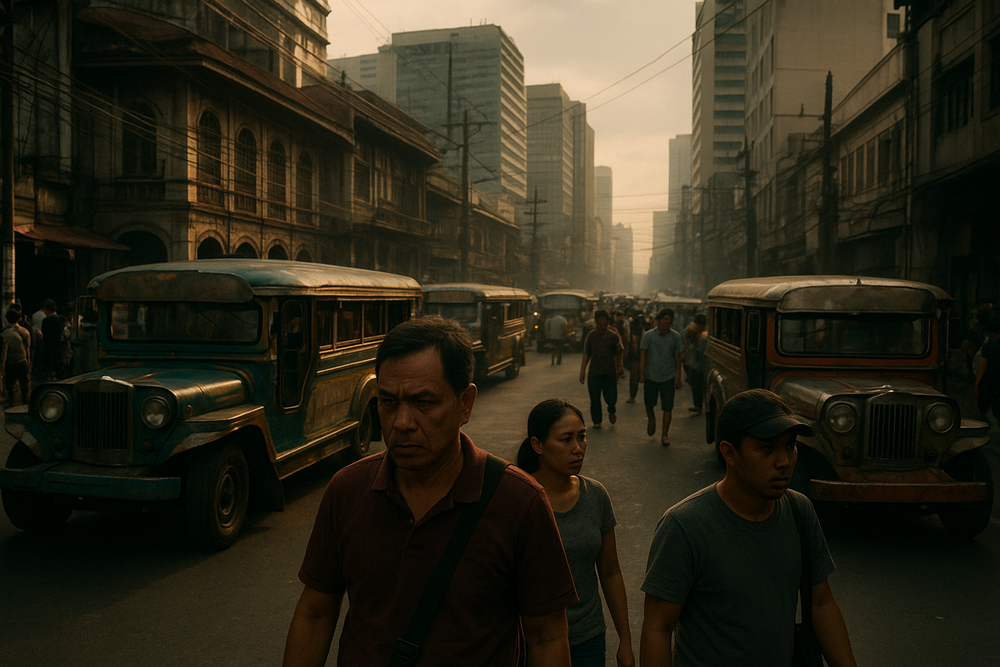
PAGASA said the northeast monsoon continues to influence most of Luzon, including Metro Manila, resulting in generally cloudy conditions and isolated light rains. The same weather system is responsible for the cooler mornings felt in the capital in recent days.
On January 29, Metro Manila recorded its lowest temperature of the amihan season at 19.2°C, a reminder of how the monsoon works like a slow-moving refrigerator, pushing cool, dry air southward from mainland Asia.
“Meanwhile, the northeast monsoon, commonly referred to as ‘amihan,’ will influence most areas of Luzon… expected to bring light, isolated rains to Metro Manila and most of Luzon,” PAGASA said in its latest forecast.
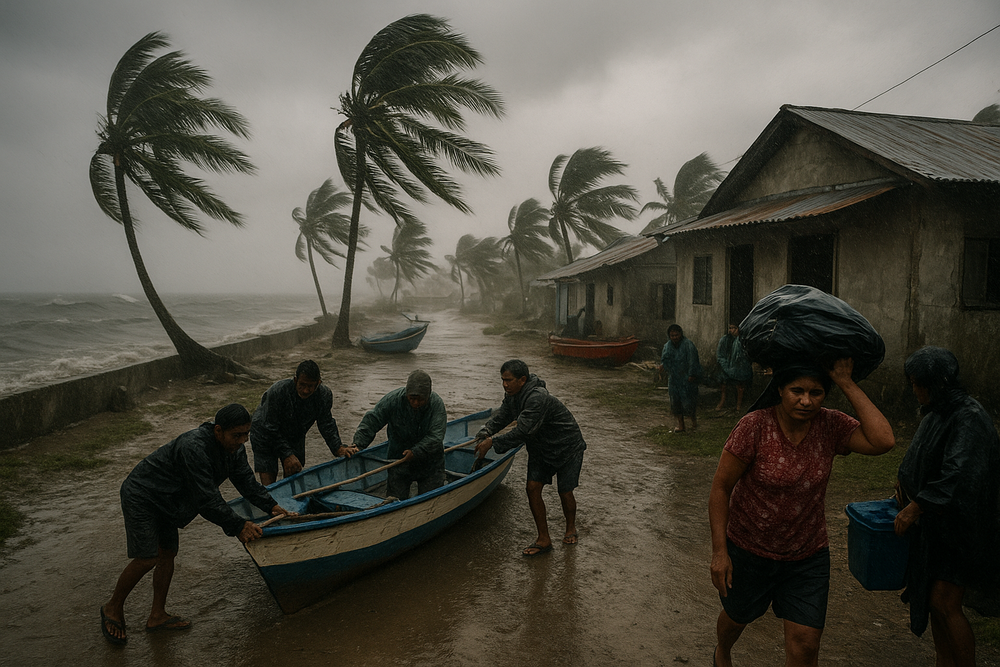
While rainfall in Luzon is expected to remain light and patchy, moderate to strong northeasterly winds are forecast, especially over northern provinces, raising concerns for small coastal vessels.
Shear Line Triggers Heavier Rains in Parts of the Visayas
Further south, weather conditions are being shaped by a shear line—the boundary where cold air from the monsoon meets warmer easterlies. PAGASA warned that this interaction is likely to bring scattered rains and isolated thunderstorms across parts of the Visayas, the Bicol Region, and eastern sections of Southern Luzon.
Areas at risk include Eastern and Northern Samar, Albay, and Sorsogon, where rainfall could accumulate quickly.
“The shear line is anticipated to result in substantial rainfall across the eastern regions of Southern Luzon and the Visayas on Sunday… rainfall amounts between 50 to 100 millimeters are expected in areas such as [Northern and Eastern Samar],” PAGASA said in a bulletin released early Sunday.
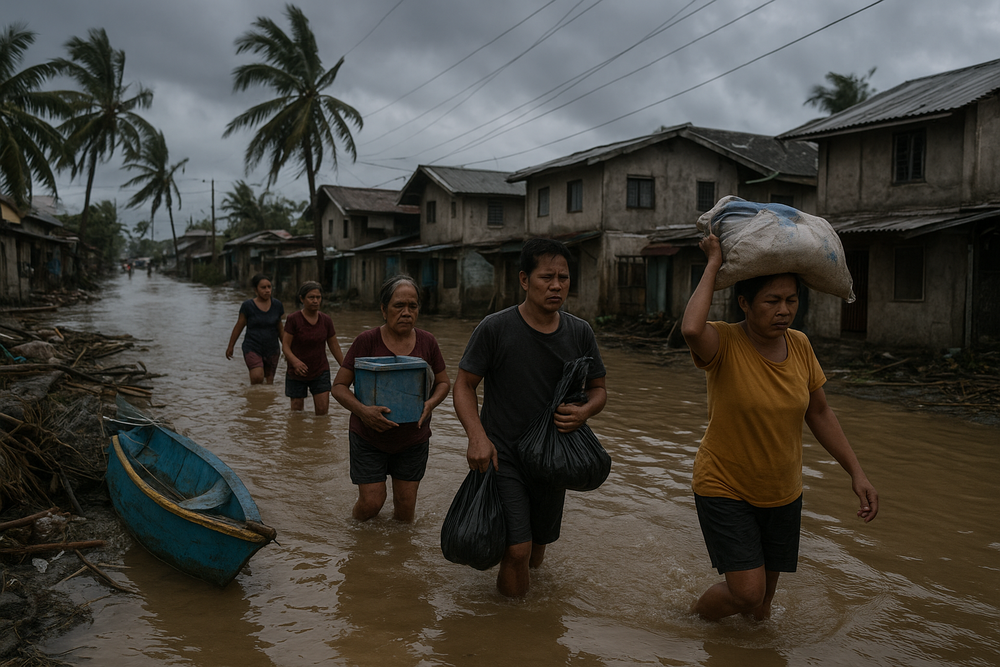
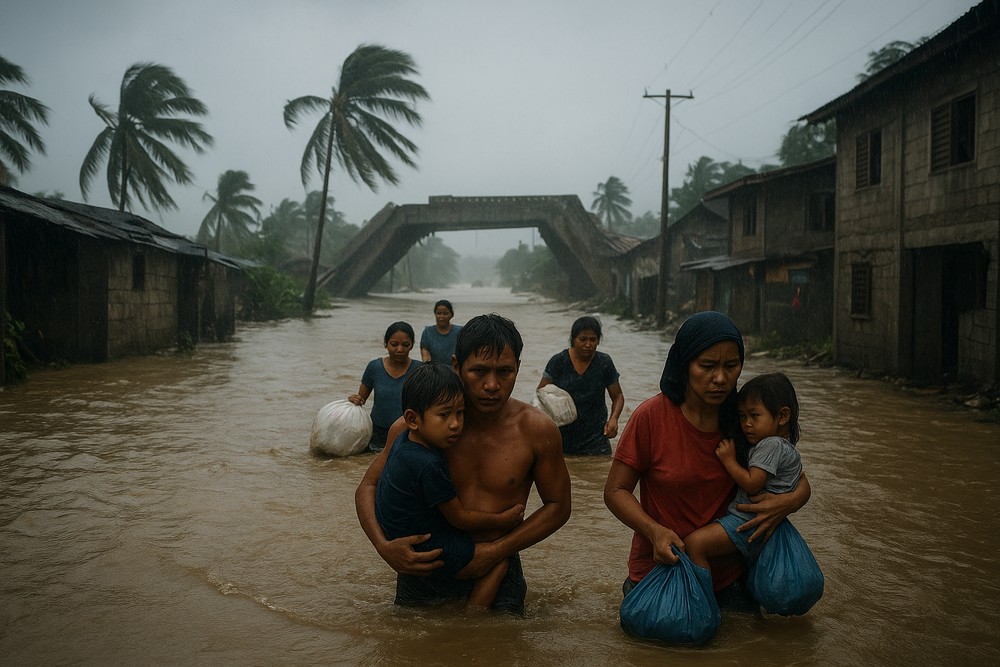
Authorities cautioned that such rainfall levels, though not extreme, may be enough to trigger localized flooding in low-lying barangays and cause slippery road conditions, particularly in rural areas.
Rough Seas Pose Risks for Fisherfolk
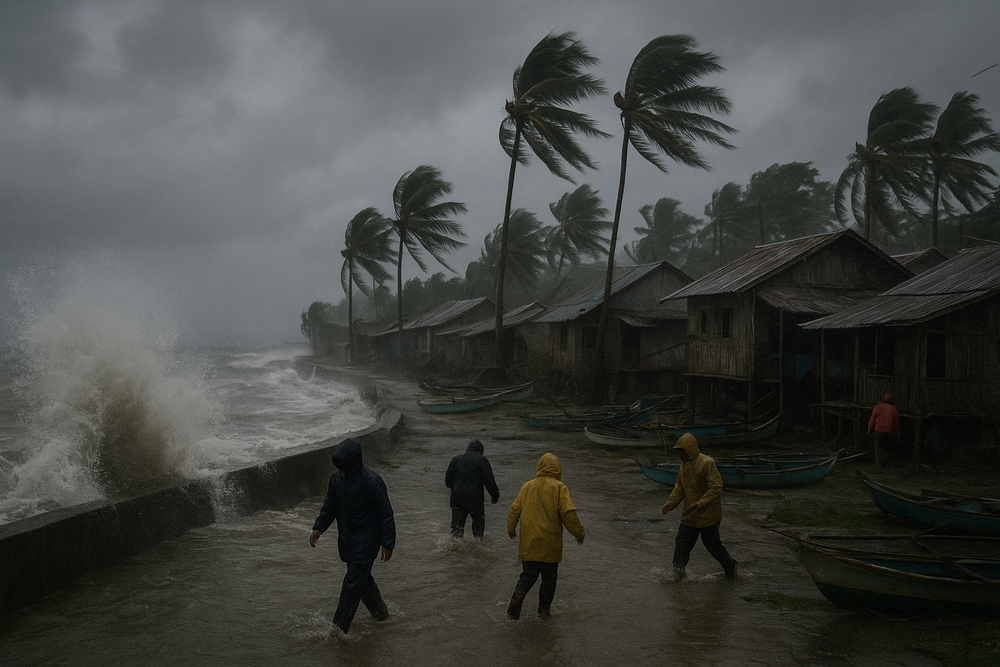
Beyond rainfall, the most immediate hazard from the ongoing monsoon is at sea. PAGASA expects moderate to rough coastal waters across Luzon and the Visayas, driven by persistent northeasterly winds.
“Moderate to strong northeasterly winds will prevail over Northern Luzon with moderate to rough seas,” the agency said in a previous outlook, guidance that remains relevant as the monsoon persists.
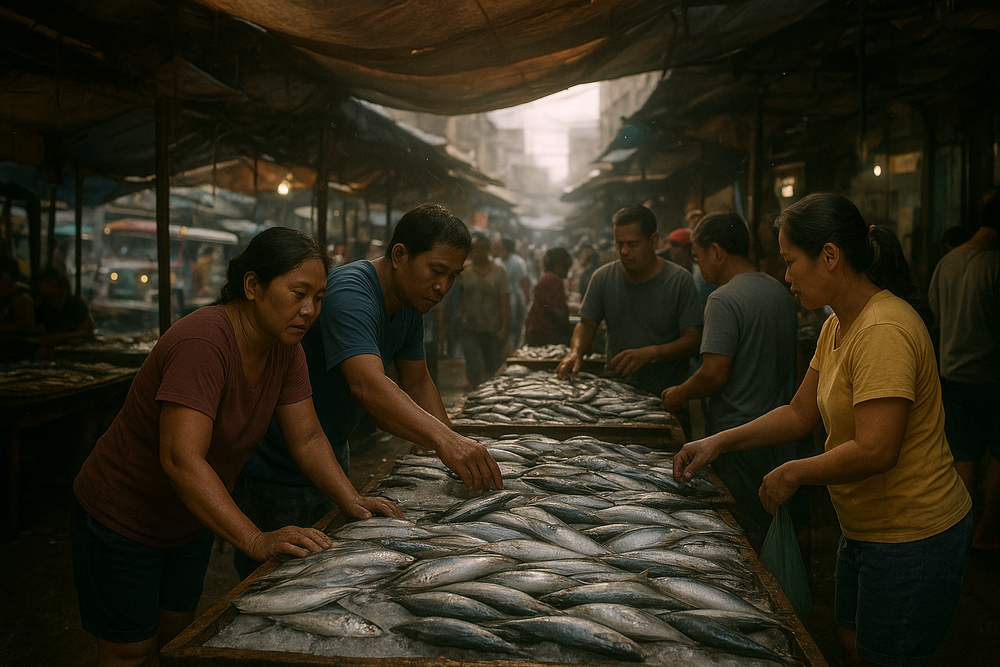
Such conditions often prompt local government units to advise small fishing boats to remain ashore. Any prolonged halt in fishing activity may affect the supply of fresh seafood in local markets, with knock-on effects for prices.
No Cyclone Threat, but Vigilance Urged
PAGASA stressed that there are no low-pressure areas or active tropical cyclones inside the Philippine Area of Responsibility. February is typically a quiet month for storms.
“A solitary tropical cyclone is anticipated to enter the Philippines this month,” PAGASA noted in its end-of-January outlook, adding that storm activity is expected to gradually increase toward the middle of the year.
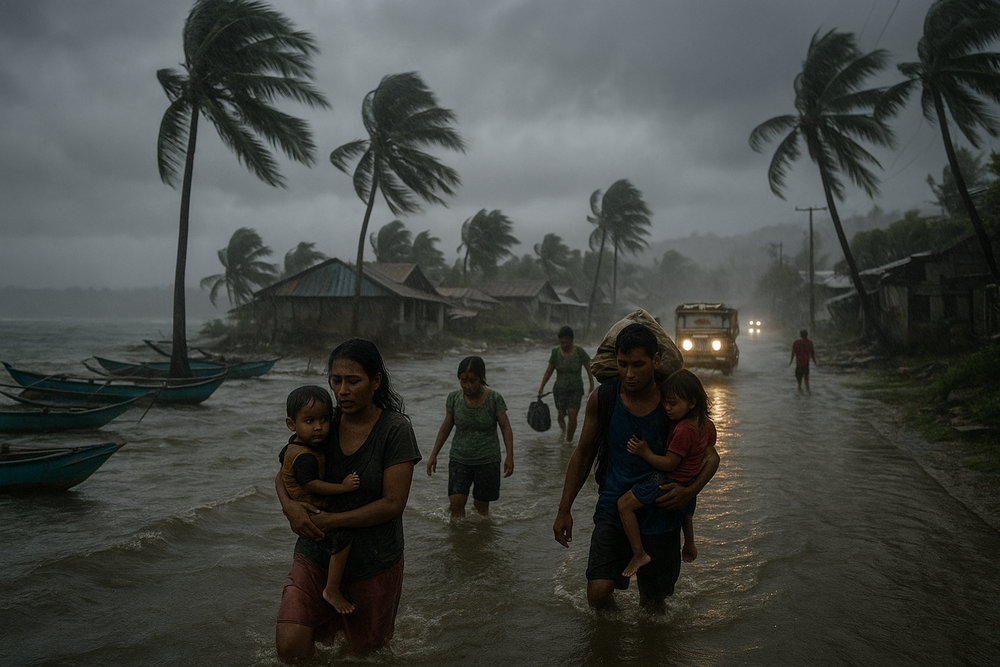
Even in the absence of storms, officials urged the public to stay informed, particularly those living in coastal and flood-prone areas, as the monsoon and shear line continue to shape daily weather patterns.
A Familiar but Disruptive Seasonal Pattern
For many Filipinos, the current conditions are a familiar feature of the amihan season—cooler air, grey skies, and intermittent rain that can slow commutes and disrupt outdoor work but rarely brings widespread damage.
Still, PAGASA reminded residents that seasonal does not mean harmless. As long as the northeast monsoon and shear line remain in place, maritime safety and localised flooding will remain key concerns in parts of Luzon and the Visayas.