Manila — The Philippines closed 2025 with its smallest trade gap in years, as a surge in exports outpaced a modest rise in imports in December, narrowing the country’s trade-in-goods deficit by 15 percent year on year. Data released by the Philippine Statistics Authority (PSA) on January 27 shows the deficit fell to $3.52 billion, down from $4.15 billion a year earlier.
The improvement capped a year of steady consolidation in external trade, underscored by double-digit export growth and subdued import expansion. For the full year, the trade deficit narrowed to $49.17 billion, its lowest level since 2021, as exports climbed to their highest level on record.
Exports Take the Lead in December
Exports rose sharply in December, reaching $6.99 billion, a 23.3 percent increase from the same month in 2024. The performance marked the strongest growth since November and reflected buoyant overseas demand for Philippine-manufactured goods.
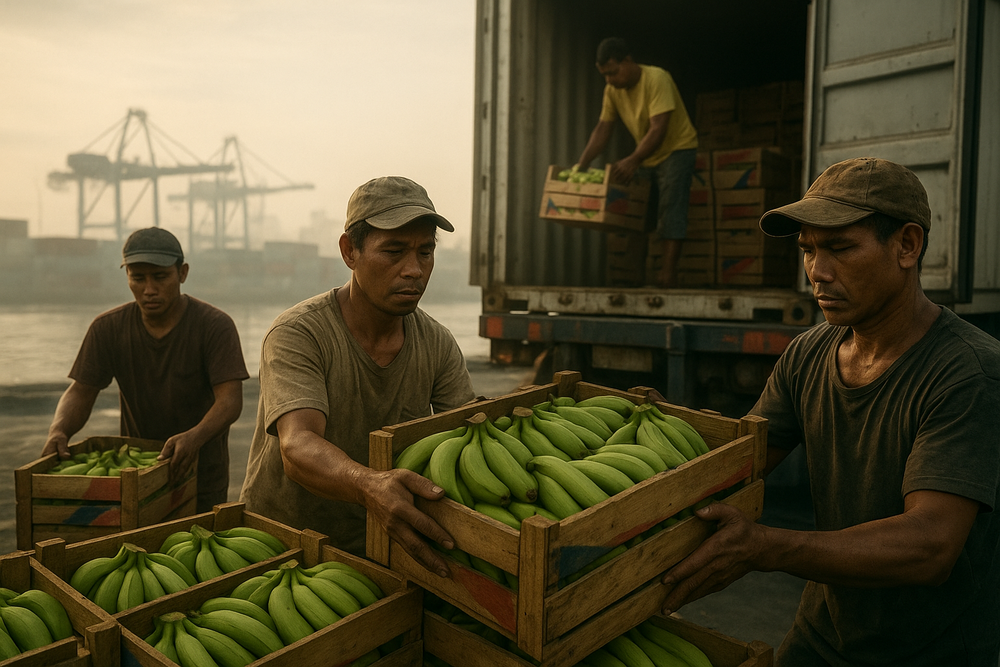
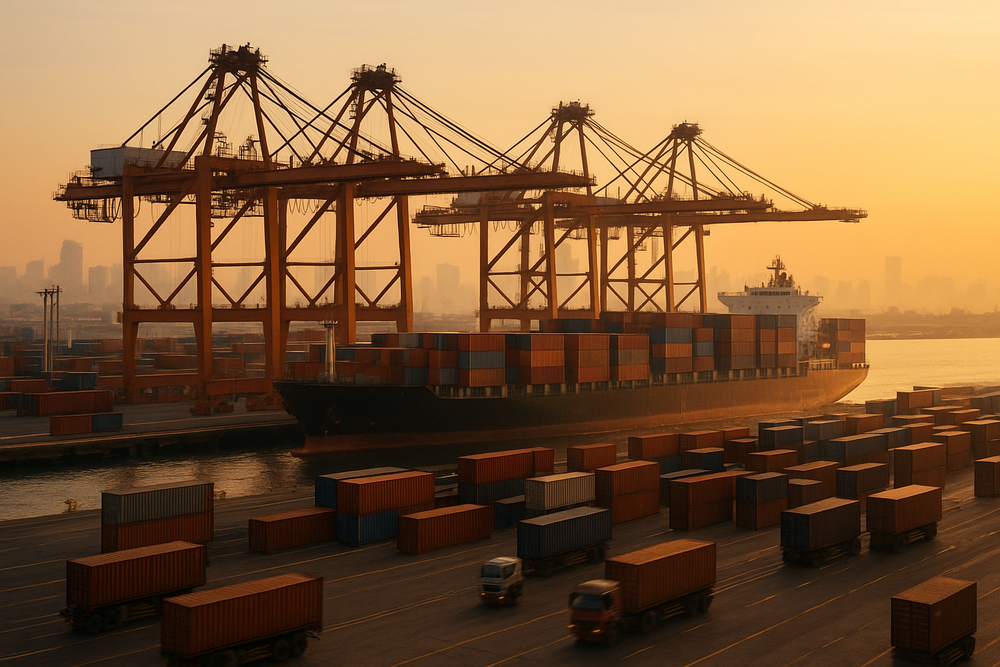
Electronic products continued to anchor the export basket, accounting for $4.04 billion, or nearly 58 percent of total shipments. Agricultural and mineral exports added support, with fresh bananas contributing $227.76 million and gold shipments valued at $250.88 million.
Manufactured goods as a whole made up almost 80 percent of exports in December, reinforcing the sector’s central role in keeping the trade balance in check.
Imports Rise, but at a Slower Pace
Imports grew by 7.1 percent year on year to $10.52 billion in December, the slowest pace of expansion since February 2025. The more measured growth helped prevent the trade gap from widening further, even as domestic demand held steady toward year-end.
Electronic products were also the top import, valued at $2.66 billion and making up a quarter of total inbound shipments. Capital goods dominated the import mix, reflecting ongoing investment needs but at a tempered rate compared with earlier months.
Full-Year 2025: A Four-Year Low Deficit
For all of 2025, exports climbed 15.2 percent to a record $84.41 billion, the highest level recorded since 1991. Imports increased by a more modest 4.7 percent to $133.57 billion, allowing the overall trade deficit to shrink by 9.5 percent.
“The trade deficit for 2025 represents the lowest figure since 2021, which had a deficit of $42.19 billion,” said Dennis Mapa, National Statistician and head of the PSA, in a message sent via Viber.
The gap between exports and imports has narrowed gradually since midyear, with December marking the smallest monthly deficit in 10 months. Total external trade for the month reached $17.51 billion, up 13 percent from a year earlier.
Who the Philippines Trades With
The United States remained the country’s largest export destination in December, absorbing 15.7 percent of total shipments, or about $1.10 billion. It was followed by Hong Kong, Japan, China, and Singapore, underscoring the Philippines’ deep integration into both Western and Asian supply chains.
The data comes against the backdrop of a 19 percent reciprocal tariff imposed by the United States on Philippine goods in August 2025. While the measure prompted some exporters to front-load shipments earlier in the year, business groups say trade flows have remained resilient.
“At least 19 percent (tariffs) were considered one of the medium lows on tariffs. So, business continues,” said George T. Barcelon, chairman of the Philippine Chamber of Commerce and Industry.
Economic Signals: Strength and Caveats
Government officials view the narrowing deficit as a sign of an export-led recovery supporting growth and helping stabilize the peso. A smaller trade gap can also ease pressure on prices of imported goods, from fuel to food, offering some relief to households.
Analysts, however, urge caution. One economist noted that while the second half of 2025 showed clear improvement, it was partly driven by weaker imports rather than purely stronger exports—a mixed signal for an economy long powered by domestic demand.
“This consolidation was helped more by imports underperforming quite considerably, which is great for the trade balance but bad for what it says about the Philippine economy,” the analyst said.
Looking Ahead
Exporters, particularly in electronics manufacturing hubs such as Cebu and Laguna, are expected to remain a crucial bulwark in 2026. Yet uncertainties—from global demand shifts to tariff policies—loom over the outlook.
Still, December’s numbers offer a clear snapshot: at a time of uneven global trade, the Philippines ended the year with a narrower trade gap, higher exports, and its strongest external trade performance in more than four years.