Ayala Corporation’s logistics arm is set to take control of one of the Philippines’ largest cold storage operators, a move that underscores the growing strategic value of cold chain infrastructure in an era of fragile food supply chains and rising consumer demand for fresh produce.
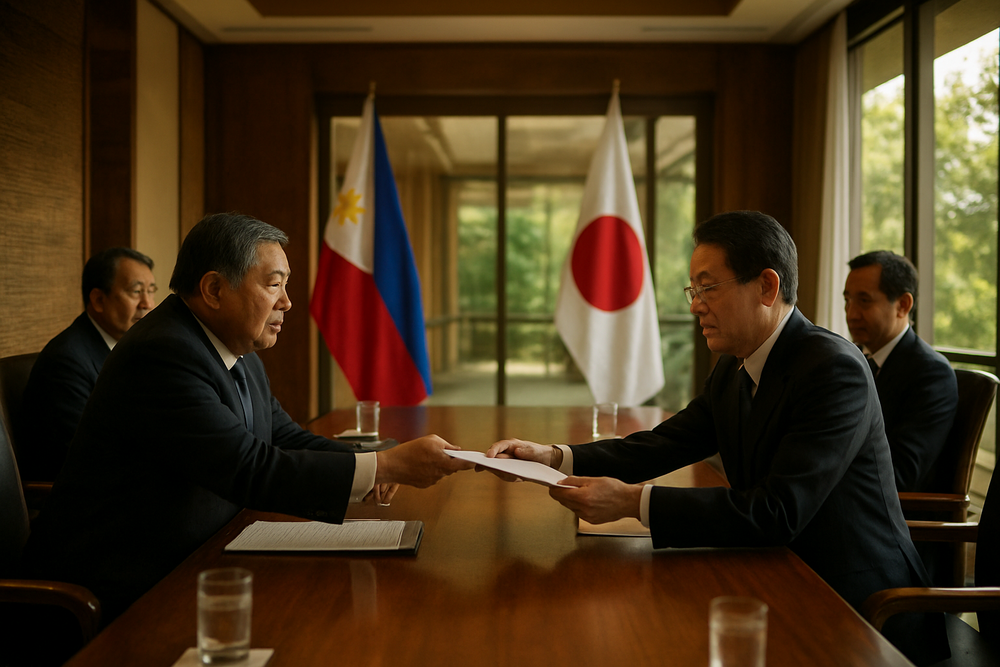
AC Logistics Holdings Corp., a wholly owned subsidiary of Ayala Corporation, has signed an investment agreement to acquire around 84% of Glacier Megafridge Inc. (GMI), according to a disclosure made on January 23. The transaction remains subject to regulatory approvals and standard closing conditions.
A major step in building a nationwide cold chain
The deal gives AC Logistics effective control of a company that has spent two decades quietly building a nationwide network of cold storage facilities. Founded in 2005, Glacier Megafridge operates 12 sites across the Philippine archipelago, from Metro Manila and Luzon to the Visayas and Mindanao, offering close to 75,000 pallet positions.
For Ayala, one of the country’s oldest and most influential conglomerates, the acquisition deepens its push into logistics as a growth pillar. AC Logistics already spans cold chain services, international freight, contract logistics, national distribution and project cargo. Folding GMI into that ecosystem effectively adds refrigerated warehouses to what executives describe as an end‑to‑end logistics spine.
“This agreement is a deliberate step in our transformation journey,” said Erry Hardianto, president and chief executive of AC Logistics. “GMI will complement and integrate into AC Logistics’ network of nodes, expanding our coverage to better serve our customers and strengthening our ability to deliver comprehensive logistics solutions to critical sectors.”
Addressing waste that starts on the farm
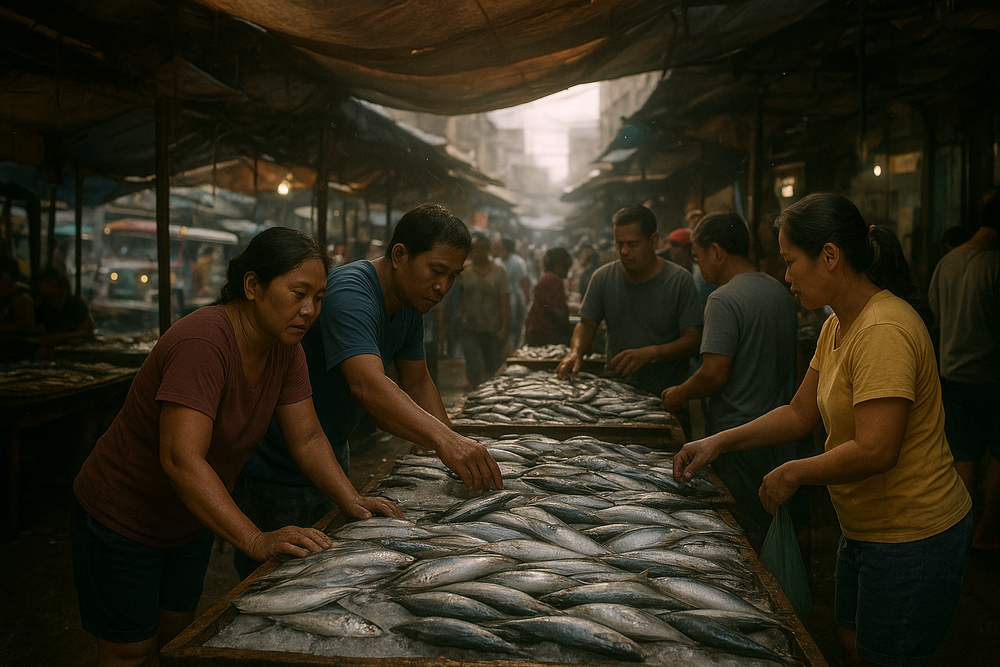
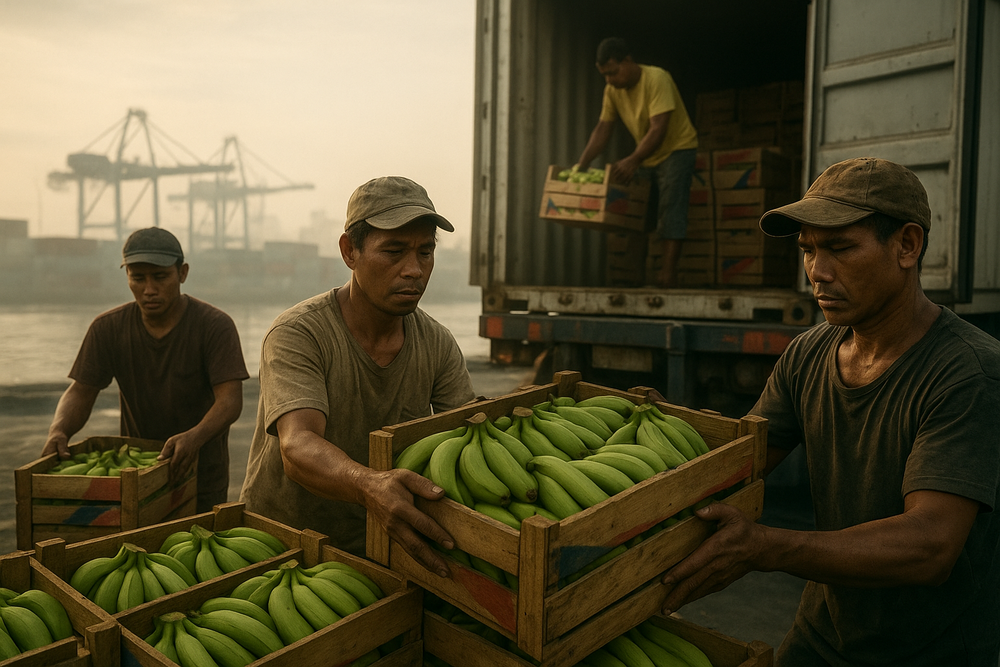
The strategic logic goes beyond capacity and scale. The Philippines loses an estimated 40% to 50% of agricultural output after harvest, largely because of inadequate cold storage and transport. Vegetables, fruit, meat and fish often spoil before they reach markets, driving up prices and eroding farmer incomes.
Cold storage, in this context, functions much like a shock absorber: it smooths volatility by slowing decay, stretching the window between harvest and sale. Ayala’s bet is that shoring up this infrastructure can translate into more stable food supply chains, from rural farms to urban wet markets.
For GMI, the transaction promises scale and capital. “Together, we can address the growing demand for reliable cold chain solutions and help reduce inefficiencies in the supply chain,” said Archie Yan, chief executive of Glacier Megafridge. “This collaboration positions us to serve customers better and contribute to the country’s food security and economic growth.”
Building on an existing partnership in Mindanao
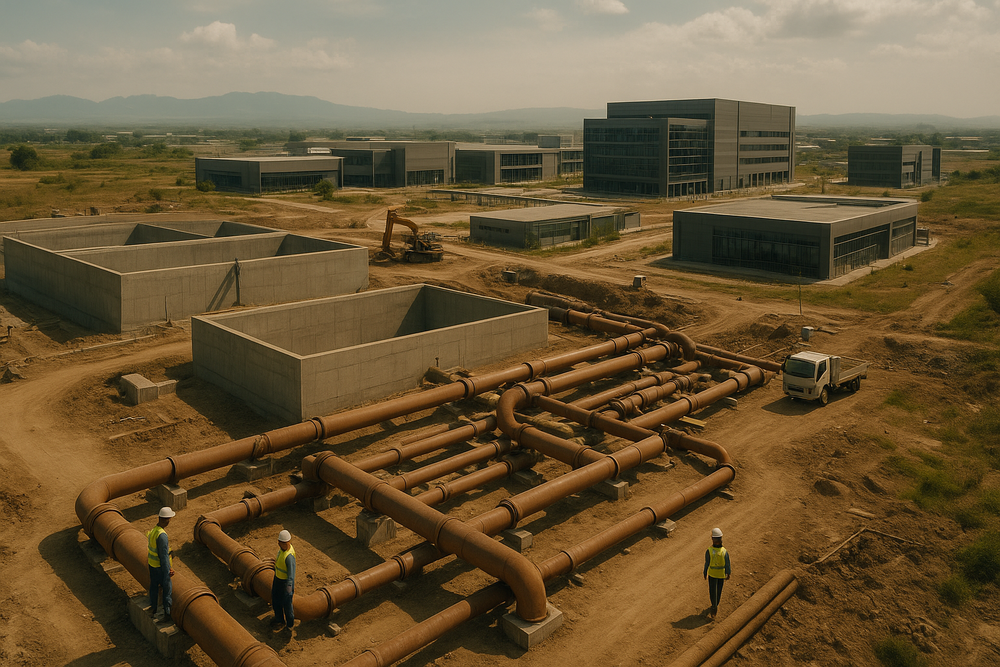
The acquisition builds on a partnership already tested on the ground. AC Logistics and GMI jointly operate GMAC Logitech Refrigeration Corp., which runs a cold storage facility in Cagayan de Oro. A second site in Panabo City, Davao del Norte, has been under development, with operations targeted to begin in early 2025.
Mindanao, a major agricultural producer, has long suffered from limited cold chain access. Industry insiders say expanded facilities in the south could shorten the distance—both literal and economic—between farmers and buyers, reducing losses while opening new trade routes within the country.
Technology and scale in a fragmented sector
Glacier Megafridge’s facilities are built on Japanese refrigeration technology adapted by Filipino engineers and operators, a combination the company credits for keeping operating costs in check while maintaining reliability. Its clients range from farmers and livestock producers to importers, processors, distributors and retailers.
No transaction value has been disclosed, and Ayala has not published revenue figures for GMI. Corporate profiles place annual revenue below US$5 million, though this remains unverified. What is clear is that consolidation is accelerating in a sector historically marked by fragmented ownership and uneven coverage.
Implications for consumers and food security
The broader impact is likely to be felt far beyond warehouse walls. By strengthening the cold chain, logistics providers can help shift consumption away from heavily processed and canned goods toward fresher, refrigerated food—often cheaper in the long run and less wasteful.
Arturo Jose C. Yan, also identified as chief executive of Glacier Megafridge, has framed the issue in terms of daily life. “Strengthening the cold chain structure will shift sourcing of household food from canned to refrigerated preservation,” he said in a separate statement. “The shift in food consumption behaviour can influence better prices, quality, and availability.”
For Ayala, the acquisition signals a long-term wager on logistics as critical national infrastructure. For farmers and consumers, the test will be whether steel warehouses and refrigerated trucks can finally plug one of the most persistent leaks in the food system.