Escalating confrontations in the West Philippine Sea throughout 2025 pushed Manila into its most assertive maritime posture in decades, as collisions at sea, military drills with allies and a blunt directive from President Ferdinand Marcos Jr. reshaped the country’s security outlook for the year ahead. While global attention focused on major power rivalries, the Philippines prepared for 2025 with a strategy designed to expose coercion, deter further aggression and brace for the possibility of standing alone—at least in the opening days of a crisis.
The developments carry significance well beyond Southeast Asia. As an archipelagic nation sitting astride major shipping lanes, the Philippines’ standoff with China offers a case study in how smaller states navigate pressure from larger powers—an issue closely watched in other maritime regions, including the Mediterranean.
Tensions at Sea Harden Through 2025
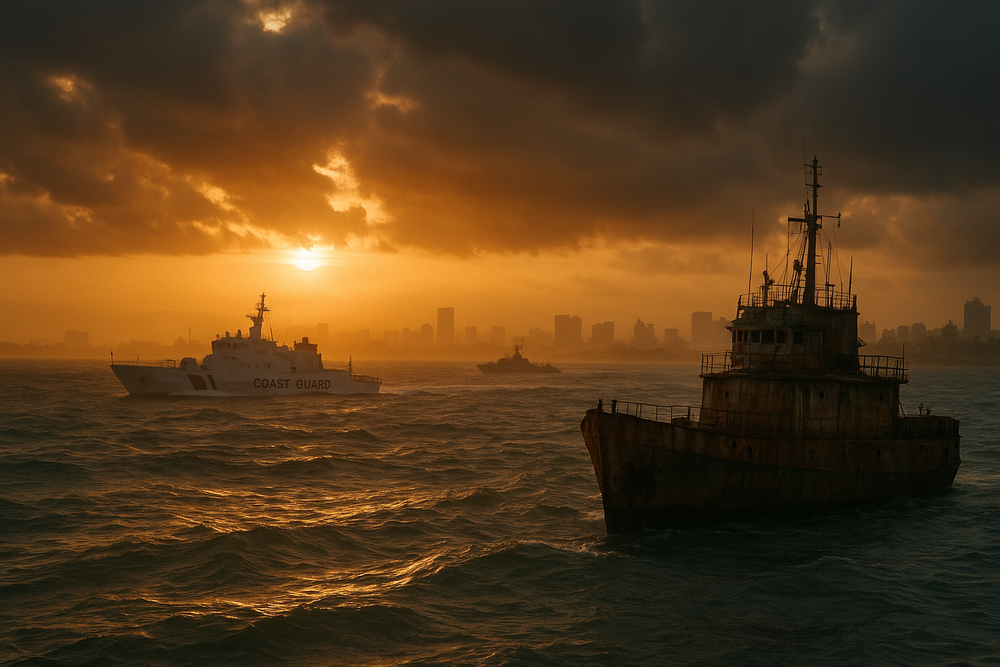
The West Philippine Sea, part of the wider South China Sea, saw a sharp rise in dangerous encounters last year. Chinese Coast Guard vessels used water cannons, laser devices and aggressive manoeuvres against Philippine ships conducting resupply missions and patrols. In June, a collision near Second Thomas Shoal underscored how quickly grey-zone tactics could tip into outright confrontation.
In March, China flew H-6 long-range bombers around Scarborough Shoal, a move Philippine officials described as a clear escalation. By year’s end, assessments by Manila’s defence establishment described 2025 as one of the most volatile periods in the long-running maritime dispute.
The Philippine Coast Guard continued its monthly resupply missions to the rusting naval outpost BRP Sierra Madre, a symbol of Manila’s determination to hold its position despite mounting pressure.
A Strategy of “Assertive Transparency”
Facing a stronger adversary, the Marcos administration leaned heavily on what officials call assertive transparency: publicly releasing videos and photographs of Chinese actions at sea. The aim has been to strip away plausible deniability and rally both domestic and international support.
That approach dovetailed with a renewed emphasis on international law. Manila continues to anchor its claims in the 2016 Hague tribunal ruling, which invalidated China’s sweeping “nine-dash line” claims. Although Beijing rejects the ruling, Philippine officials argue that consistent reference to it strengthens the country’s diplomatic position and frames the dispute as a test of the rules-based order.
Deepening Alliances, Preparing to Stand Alone
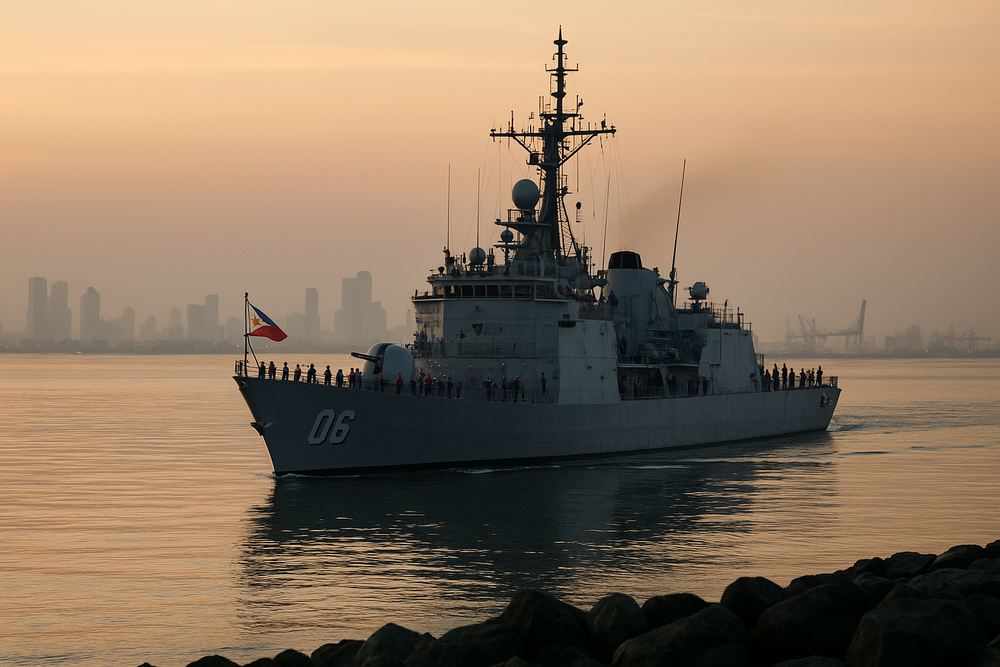
At the same time, the Philippines moved closer to its allies. In November, naval forces from the Philippines, the United States and Japan conducted a coordinated patrol through contested waters, prompting sharp protests from Beijing. Washington reiterated that Article IV of the 1951 U.S.-Philippines Mutual Defense Treaty covers armed attacks on Philippine forces, vessels or aircraft anywhere in the South China Sea.
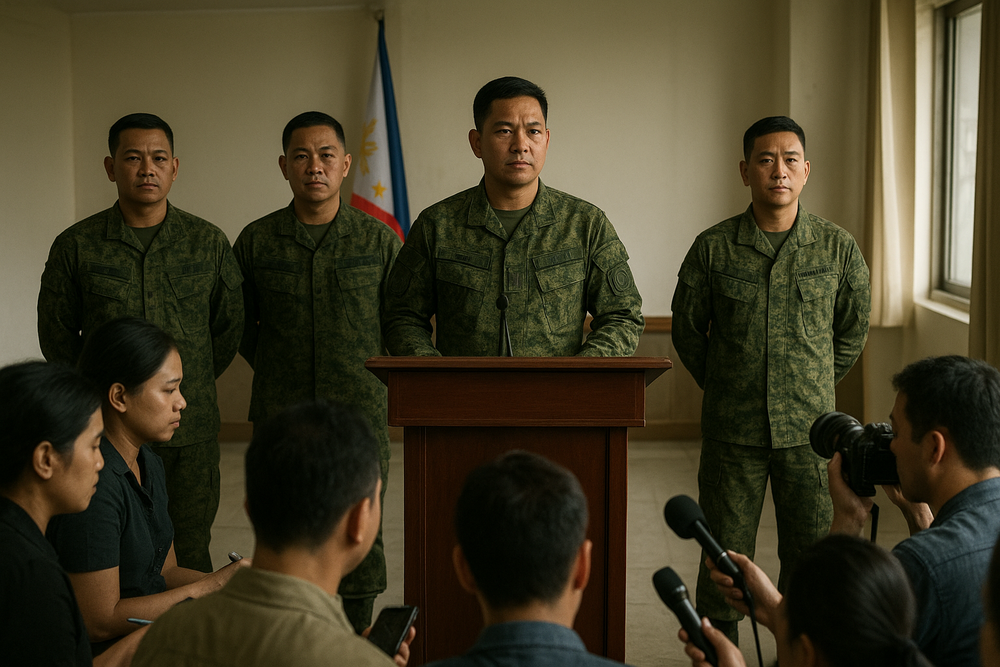
Yet the most striking signal came from Manila itself. In November, Army Chief Gen. Romeo Brawner Jr. disclosed President Marcos Jr.’s directive that the Armed Forces of the Philippines (AFP) be ready to operate independently for 20 to 30 days before allied reinforcements arrive.
“The president wants the forces to fight and preserve for 20 to 30 days before foreign reinforcements could arrive under the US mutual defense treaty,” Gen. Brawner said, adding that allies expected Filipino forces to hold the line in the opening phase of any conflict.
Modernisation Meets Budget Reality
This new posture comes with a price tag. The AFP’s Re-Horizon 3 modernisation programme, running from 2024 to 2034, is estimated to cost PHP2 trillion. For 2025, only PHP35 billion was approved, less than half of what defence planners had requested.
The shortfall highlights a persistent tension in Philippine policy: ambitious security goals constrained by fiscal limits and competing domestic priorities. With inflation and employment dominating public concerns, defence spending faces scrutiny despite strong public backing for defending maritime claims.Public Support, Political Silence
Polling in March 2025 showed 84% of Filipinos supported defending the country’s rights in the West Philippine Sea, while 91% expressed distrust of China. Yet during May’s national elections, maritime security barely featured in campaign debates.
The disconnect reflects everyday economic pressures. While voters broadly support a firm stance at sea, many remain more immediately concerned with food prices, jobs and household costs—issues only indirectly linked, at least in public perception, to distant confrontations offshore.
The Human Cost Along the Coast
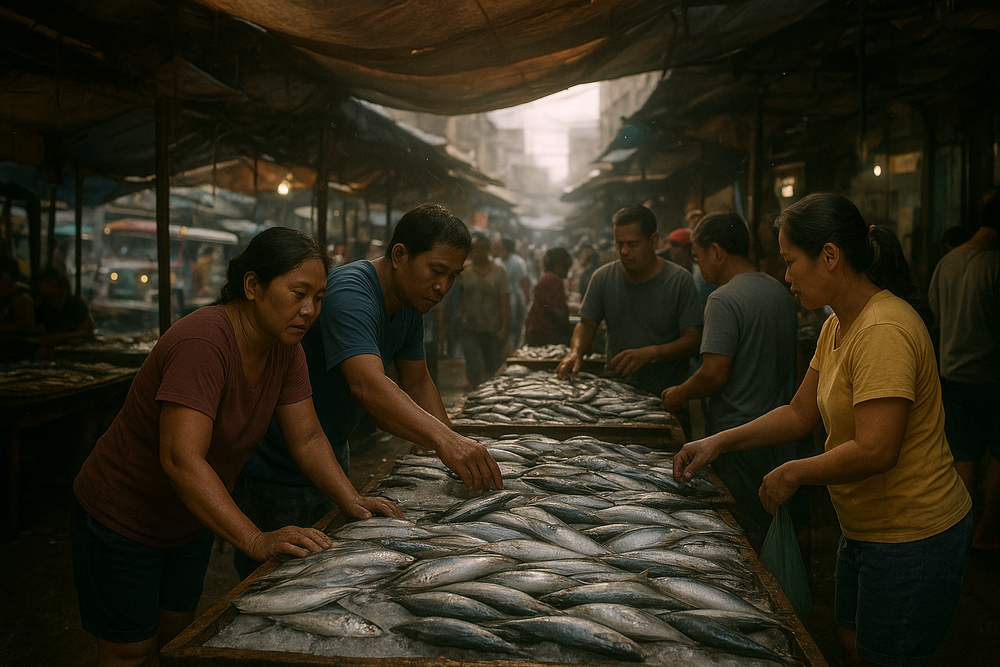
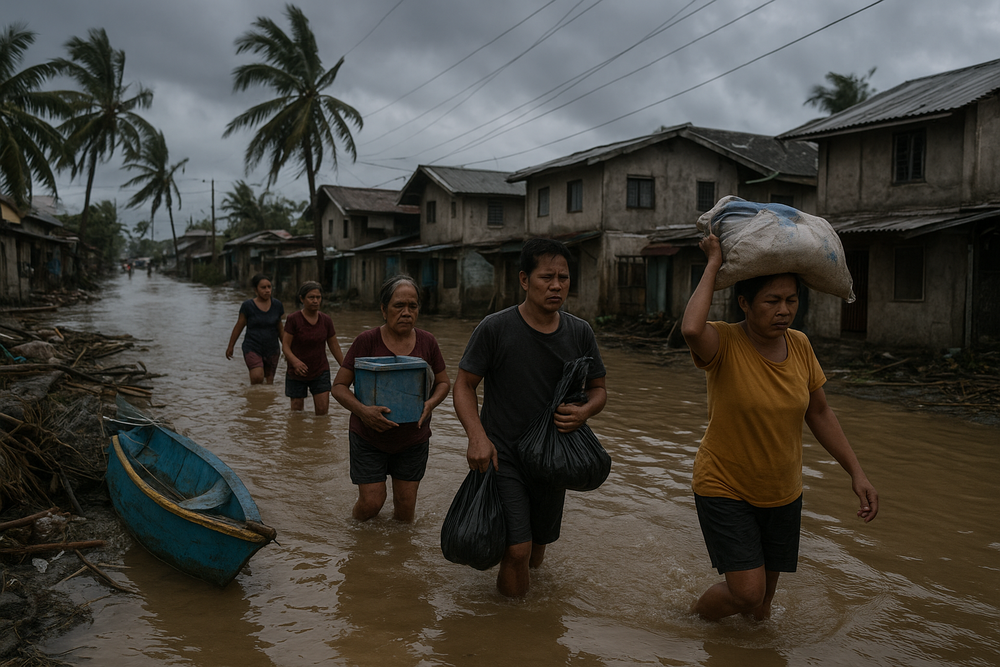
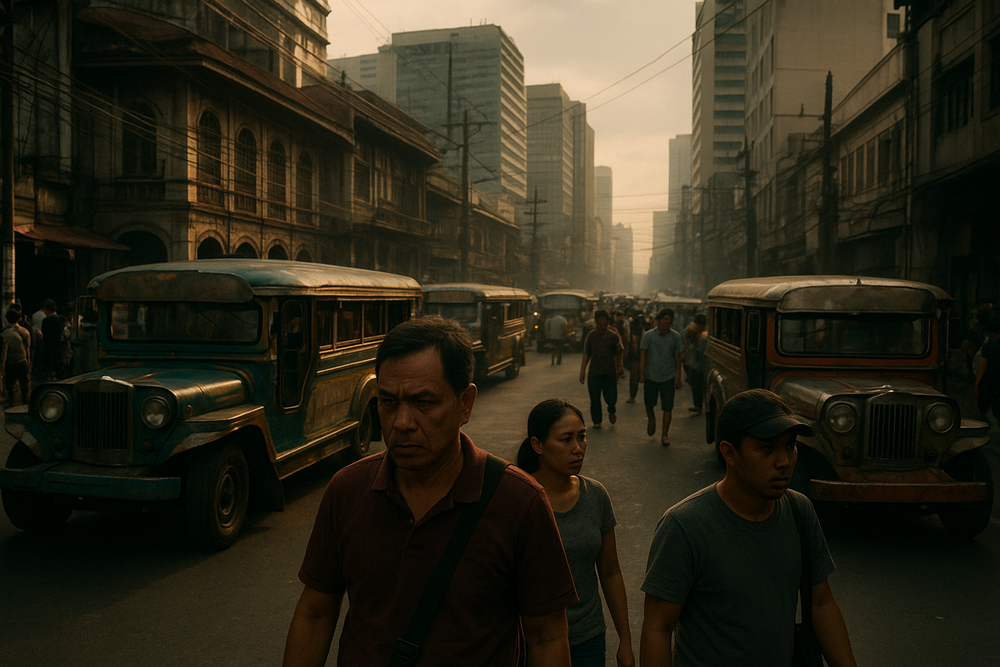
For coastal communities, the dispute is far from abstract. Some 2.3 million Filipino fisherfolk, among the country’s poorest workers, depend on access to fishing grounds now increasingly contested or degraded. Environmental groups report that 90% of Philippine coral reefs are in poor condition, weakening fish stocks and natural storm defences.
Declining catches feed directly into urban markets. Consumers in Metro Manila and across Luzon face upward pressure on fish prices, prompting government fish supply programmes aimed at stabilising food costs—measures that only work if access to traditional fishing grounds can be maintained.
Energy Security and Regional Stakes
Maritime tensions also weigh on the Philippines’ energy future. Disputes have stalled offshore gas exploration, limiting options to diversify away from imported fuel. Any spike in global oil prices—already sensitive to geopolitical shocks—risks higher electricity costs and broader inflation.
As ASEAN chair for 2025–2026, Manila plans to push for a legally binding Code of Conduct in the South China Sea, with regional monitoring mechanisms. China has favoured looser, non-binding arrangements and restrictions on joint military activity with external partners, setting the stage for difficult negotiations.
Looking Ahead to 2025
By the start of 2025, the Philippines had made its course clear: combine law, diplomacy and alliances with a renewed push for self-reliance. The strategy aims to deter miscalculation without closing the door to dialogue.
Whether that balance can hold remains uncertain. What is clear is that the West Philippine Sea has moved from the margins of policy into the centre of Manila’s national security planning—an evolution that resonates far beyond Southeast Asia, in a world where contested seas are again becoming fault lines of global politics.