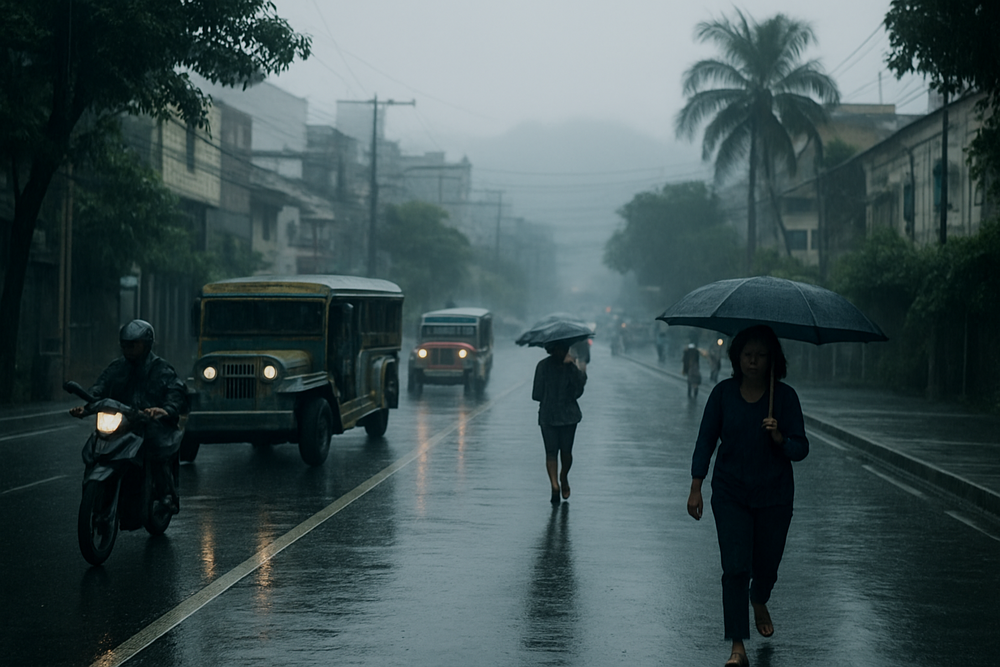
Cloudy skies and light rains are expected to linger over large parts of Luzon and the Visayas as the Northeast Monsoon, locally known as amihan, continues to influence weather conditions across the Philippines, according to the state weather bureau.
The Philippine Atmospheric, Geophysical and Astronomical Services Administration (PAGASA) said the amihan will bring generally mild weather, marked by cooler air, intermittent light rain and brisk northeast winds, with no significant disruption anticipated to daily activities.
A Broad Sweep of Cloud Cover Across Luzon
PAGASA reported that several provinces will experience overcast skies accompanied by light rainfall, particularly in elevated and eastern-facing areas.
Regions affected include the Cordillera Administrative Region, Cagayan Valley, Aurora, Quezon, Marinduque, Oriental Mindoro, Camarines Norte, Camarines Sur, Northern Samar and Eastern Samar. In these areas, cloud cover is expected to persist for much of the day as moist air from the northeast is forced inland.
Elsewhere, including Metro Manila, the rest of Luzon, much of the Visayas and Northern Mindanao, conditions are forecast to range from partly cloudy to cloudy, with isolated light rains.
PAGASA summarized the outlook in its bulletin, noting: “The Northeast Monsoon (amihan) will bring cloudy skies with light rains over Luzon and the Visayas,” adding that the weather system is not expected to cause major impacts.
Strong Winds, Rough Seas Pose Risks at Sea
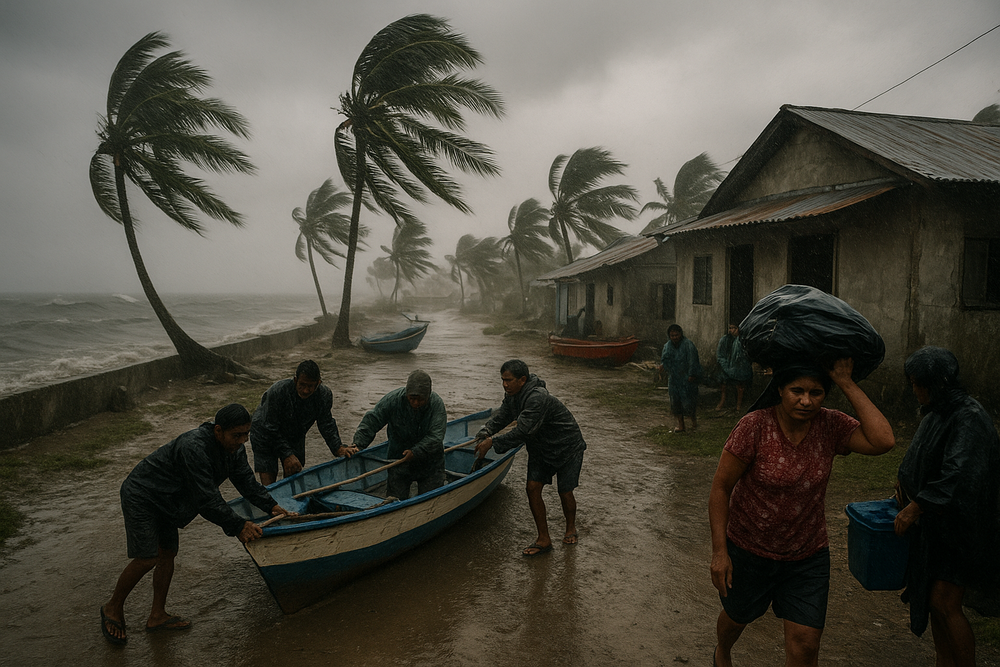
While rainfall remains light, wind and sea conditions may prove more challenging, particularly for coastal communities and small-scale fishers.
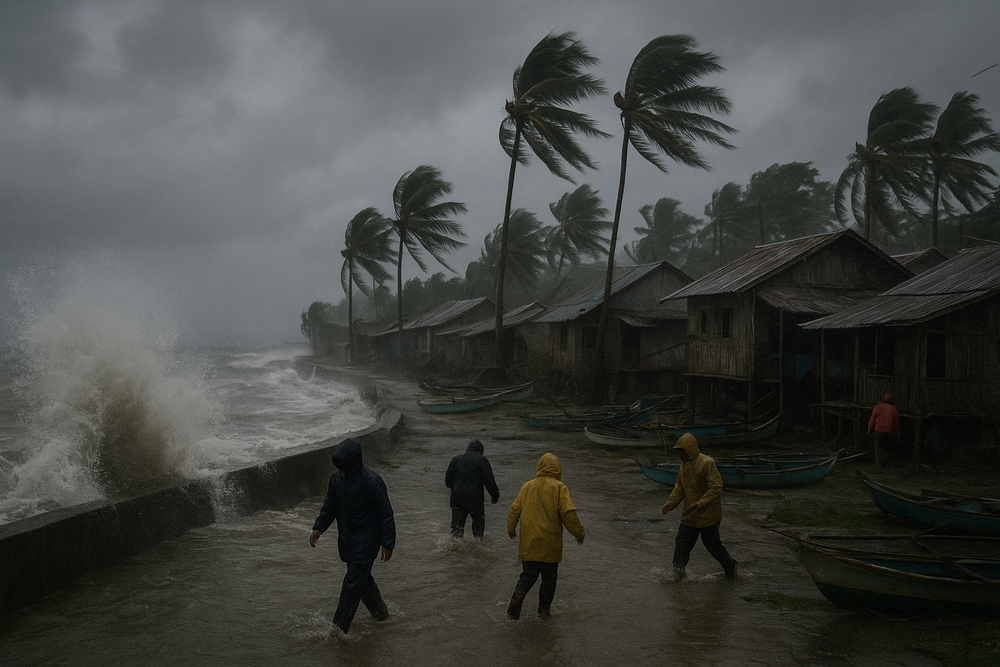
Strong to gale-force northeast winds are affecting Northern Luzon, eastern Central Luzon, Southern Luzon, the Visayas and eastern Mindanao, resulting in rough to very rough coastal waters. In the rest of Luzon and the Visayas, winds remain moderate to strong, with seas described as moderate to rough.
Local government units have been advised to remain vigilant, especially in coastal areas where small fishing vessels are more vulnerable to sudden swells and gusty conditions.
Low-Pressure Area Under Observation
PAGASA also confirmed it is monitoring a low-pressure area located about 1,155 kilometres east of southeastern Luzon, previously associated with weather disturbance “Ada.”
As of the latest update, the system shows no immediate signs of developing into a tropical cyclone, nor is it expected to significantly affect the country in the coming days.
Mindanao: Localised Thunderstorms Remain Possible
In the rest of Mindanao, weather conditions are being shaped less by the monsoon and more by local atmospheric dynamics. PAGASA said these areas can expect partly cloudy to cloudy skies with isolated rain showers or thunderstorms.
Although generally mild, PAGASA cautioned that severe thunderstorms may still trigger flash floods or landslides in vulnerable locations.
Understanding Amihan: Cooler Days, Gentler Rains
The amihan typically prevails from November to April, ushering in cooler temperatures and relatively dry conditions compared with the southwest monsoon, or habagat, which dominates the wet season.
As one commonly observed seasonal shift, PAGASA has noted: “After the Christmas holiday season, we Filipinos feel a cooler temperature than in the previous months… This wind is generally known as amihan.”
For many households, the monsoon brings some welcome relief from heat, particularly in urban centres, even as light rains occasionally interrupt daily commutes.
Minimal Disruption, Measured Vigilance
Overall, authorities stress that the current weather pattern remains routine and manageable. Farmers in northern provinces may benefit from light rainfall supporting dry-season crops, while urban residents experience little more than brief showers and overcast afternoons.
Marine operators and fisherfolk, however, are urged to heed advisories amid rough seas, as the amihan continues to funnel persistent northeast winds across the country.
Sunrise on the day is expected at 6:25 a.m., with sunset at 5:50 p.m.—a reminder of the shorter days that often accompany the cooler, quieter rhythm of the amihan season.
PAGASA said it will continue to monitor weather developments and issue updates as necessary, urging the public to stay informed but not alarmed.