Emirates Airline will add four extra weekly flights between Dubai and Manila from April 2, 2026, increasing its total services on the route to 32 per week. The move reflects growing demand along one of Asia’s busiest long-haul corridors and is expected to benefit overseas Filipino workers, business travellers, and cargo operators moving goods between the Middle East and Southeast Asia.
The expansion, announced on January 19, will be operated using Boeing 777‑300ER aircraft and comes as air traffic rebounds strongly following new trade and mobility agreements between the United Arab Emirates and the Philippines.
More Seats, More Choice on a High-Demand Route
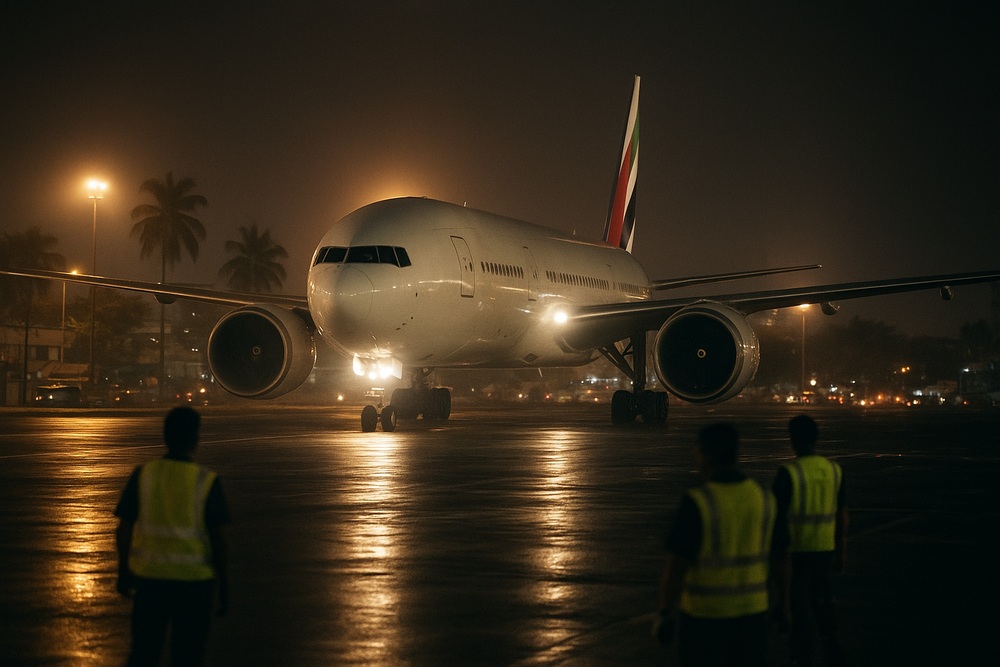
The additional services—operating as EK330 and EK331 on Mondays, Wednesdays, Thursdays, and Saturdays—will raise Emirates’ Dubai–Manila frequency from 28 to 32 flights a week. Each flight will use a Boeing 777‑300ER configured with eight First Class private suites, 42 Business Class lie-flat seats, and 304 Economy seats.
EK330 will depart Dubai at 12:45 local time, arriving in Manila at 01:25 the following day. The return service, EK331, will leave Ninoy Aquino International Airport (NAIA) at 03:25, landing in Dubai at 08:25. The schedule provides overnight connectivity in both directions, a key consideration for long-haul travellers and connecting passengers.
A Boost for Overseas Filipino Workers and Families
For many Filipino families, the Dubai–Manila route functions like a tightly wound artery, carrying workers, remittances, and seasonal homecomings. Emirates said the additional frequencies are designed to give greater flexibility to overseas Filipino workers (OFWs), balikbayans, and seafarers, particularly during peak travel periods when flights are often fully booked.
“As part of its ongoing growth strategy in Southeast Asia and commitment to the Philippines, Emirates will introduce four additional weekly flights between Dubai and Manila from 2 April,” the airline said in its official release.
The UAE hosts one of the world’s largest Filipino expatriate communities, and improved flight availability is expected to ease congestion during holidays while potentially stabilising fares through increased capacity.
Trade, Cargo, and the CEPA Effect
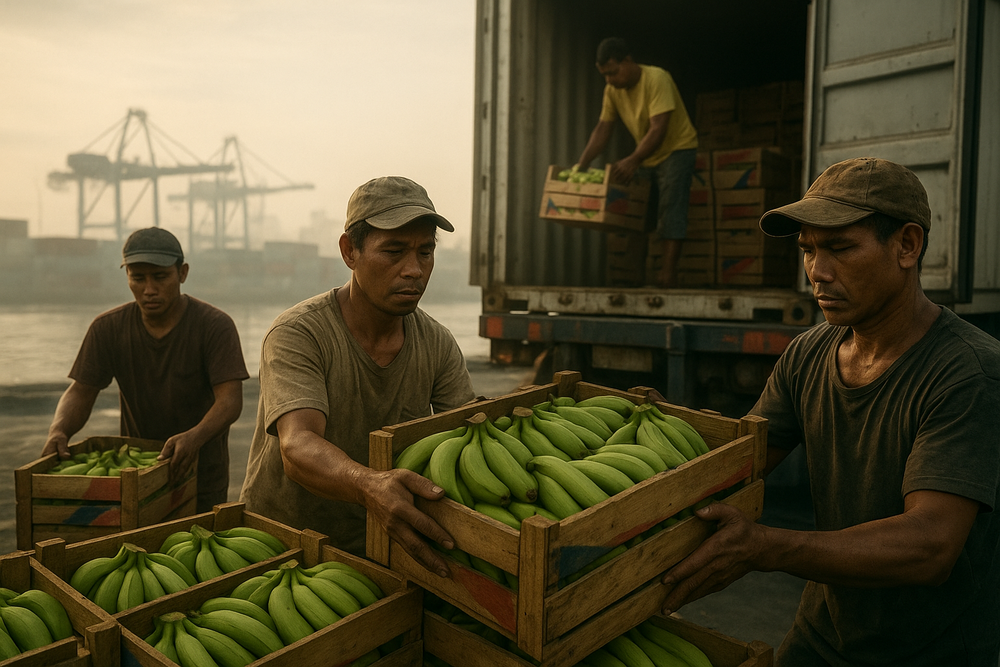
Beyond passengers, the expansion also adds valuable cargo space. With up to 20 tonnes of belly‑hold cargo capacity per flight even at full passenger load, the new services are set to support exports such as electronics, agricultural produce, and fast-moving e‑commerce goods.
The timing aligns closely with the recently signed UAE–Philippines Comprehensive Economic Partnership Agreement (CEPA), which aims to deepen trade ties, investment flows, and labor mobility between the two countries. Emirates noted that the additional frequencies underscore its confidence in the Dubai–Manila air corridor, linking not only the two cities but also their wider economic ecosystems.
Manila’s Role in Emirates’ Philippine Network
Emirates has served Manila continuously since 1990, making it one of the airline’s longest-standing destinations in Southeast Asia. The carrier currently operates a mix of services to the Philippines, including routes involving Cebu and Clark, bringing its total to 28 weekly flights before the expansion.
Through partnerships with Philippine Airlines, Emirates passengers can connect onward from Manila to domestic destinations, while Dubai serves as a global hub linking the Philippines to Europe, North America, the Middle East, and Africa.
“With this expansion, the airline will offer greater choice and enhanced connectivity for corporate travellers, marine customers as well as the large Filipino diaspora across Emirates’ global network,” the airline said.
Pressure and Opportunity at NAIA
The increase in long-haul flights will be felt most acutely at NAIA in Metro Manila, already operating near capacity. While the announcement has been broadly welcomed by travellers and trade groups, the added traffic may further test airport infrastructure unless operational efficiencies keep pace.
For now, the expansion is widely seen as a net gain: more flights, more cargo capacity, and deeper links between two economies tied together by labor, trade, and family. Like an extra lane added to a busy bridge, the new services may not eliminate congestion altogether, but they promise to make the crossing a little smoother for hundreds of thousands of travellers each year.