Cloudy skies and light rains are set to linger over Northern Luzon as the northeast monsoon, locally known as amihan, continues to sweep across the Philippines, bringing cooler air, intermittent showers and rough sea conditions along the country’s eastern seaboard, according to state weather forecasters.
The Philippine Atmospheric, Geophysical and Astronomical Services Administration (PAGASA) said the prevailing amihan winds will dominate weather patterns on Thursday, with no major threats expected on land, but with caution advised for coastal and maritime communities due to strong to gale-force winds.
A seasonal shift that cools — and dampens — the north
Amihan is a familiar presence in the Philippines, typically arriving between mid-October and November and lasting until March or early April. Unlike the southwest monsoon, or habagat, which fuels heavy rainfall and flooding, amihan brings cooler temperatures, cloud cover and lighter precipitation, particularly to the eastern side of the archipelago.
PAGASA defines the phenomenon as “cold winds from the northeast that bring rains over the eastern side of the country.” This week, those winds have lowered temperatures across Luzon, with Quezon City recording 19.6°C on Thursday — the coldest so far this amihan season in Metro Manila.
The northeast monsoon acts like a wide, slow-moving fan, pushing cooler air across the islands and squeezing light rainfall from clouds as it meets the country’s mountainous terrain.
Areas likely to see rain and cloud cover
According to PAGASA’s latest forecast, several regions will experience cloudy skies with light rains, most notably:
- Cordillera Administrative Region
- Cagayan Valley
- Aurora and Quezon
- Marinduque and Oriental Mindoro
- Camarines Norte and Camarines Sur
- Northern Samar, Eastern Samar and Caraga
Metro Manila, the rest of Luzon, much of the Visayas and Northern Mindanao can expect partly cloudy to cloudy skies, with isolated light rains developing at times.
PAGASA stressed that these conditions are unlikely to cause widespread disruption, though commuters may face minor delays due to wet roads and reduced visibility.
Winds and seas pose a larger concern
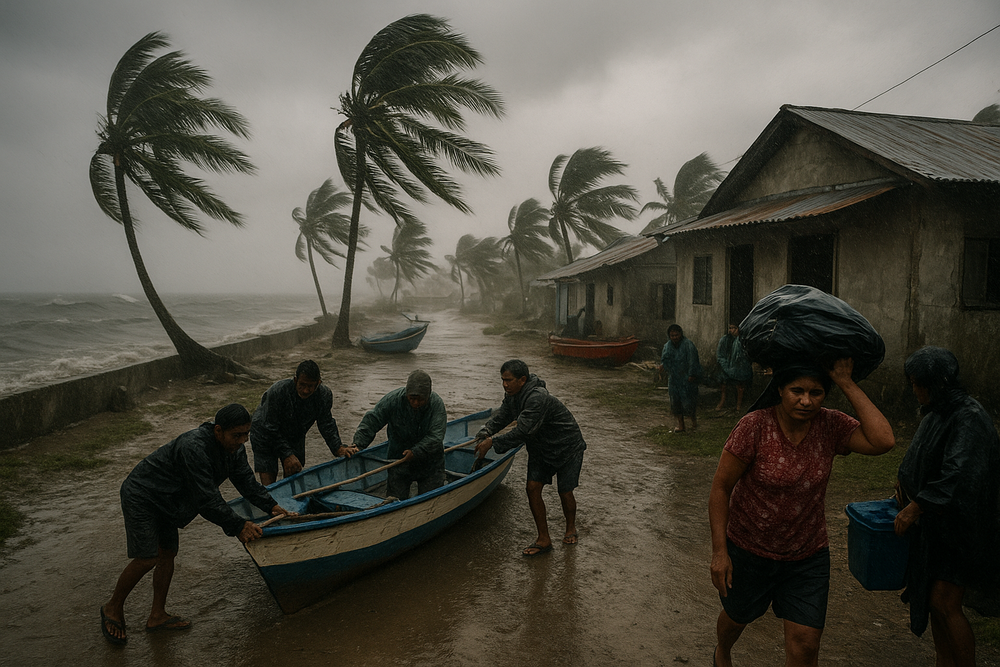
While rainfall remains limited, wind and sea conditions present a bigger risk, especially for those who rely on the water for their livelihood.
PAGASA said strong to gale-force northeast winds are affecting:
- Northern Luzon
- Eastern and Southern Luzon
- Parts of the Visayas
- Eastern Mindanao
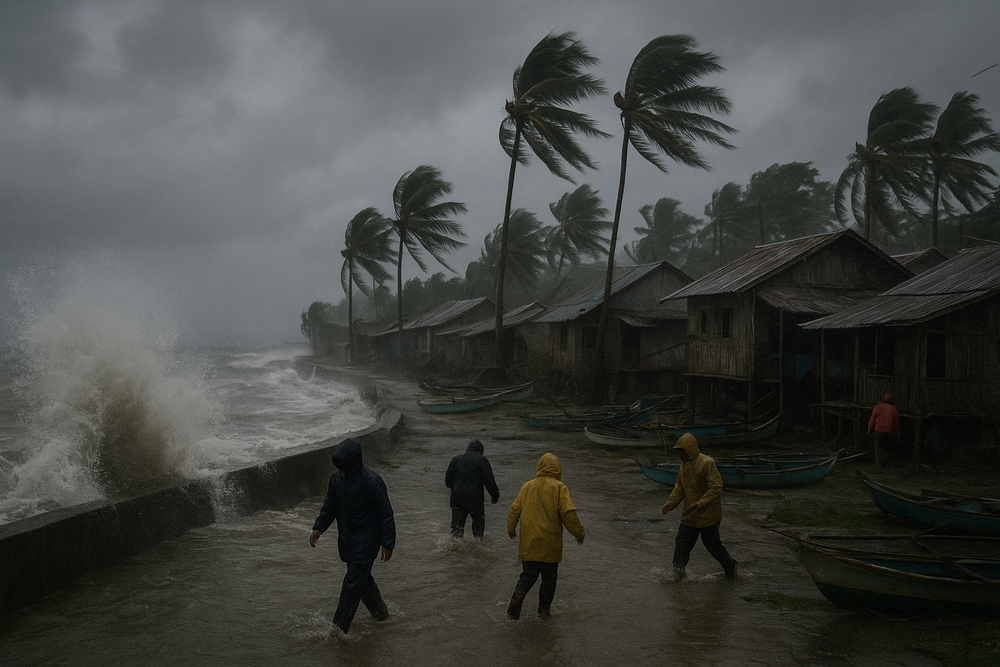
Coastal waters in these areas are expected to be moderate to rough, with localised very rough conditions along eastern seaboards. Fisherfolk, particularly in eastern Luzon and Samar, have been urged to exercise caution or suspend small-boat operations.
Such conditions often ripple beyond the coast, temporarily shrinking fish catches and nudging prices upward in local markets — a familiar strain for coastal communities during the monsoon months.
Low-pressure area monitored, but no threat seen
PAGASA also confirmed it is tracking a low-pressure area, the remnant of what was once Tropical Cyclone Ada, located about 1,155 kilometres east of southeastern Luzon.
Forecasters said the system shows no signs of development and is not expected to affect the country.
“The Northeast Monsoon (amihan) will bring cloudy skies with light rains over Luzon and the Visayas on Thursday,” PAGASA said in an advisory, reiterating that the low-pressure area poses no immediate danger.
Relief for cities, mixed effects for communities
For many urban residents, especially in Metro Manila, the monsoon has brought a welcome break from heat. The cooler air eases discomfort for commuters, outdoor workers and students, softening daily routines that are otherwise shaped by tropical warmth.
Highland and rural communities in the Cordillera and Cagayan Valley also benefit from gentle rainfall, which supports early-stage agriculture without the flooding risks associated with heavier monsoon systems.
At the same time, families in low-lying areas are watching weather updates closely, wary of localised flooding from isolated downpours, even as PAGASA maintains that no significant impact is expected.
Amihan expected to persist into early April
Seasonal forecasts indicate that amihan conditions will continue, with fluctuations in strength, through early to mid-April. PAGASA said it will keep issuing daily advisories in line with its mandate under the Philippine Meteorological, Geophysical and Astronomical Services Administration Modernization Act of 2015.
For now, the message from forecasters is measured: cooler days ahead, occasional light rain, and the steady reminder that even quiet weather patterns can reshape daily life — from the open sea to the morning commute — one monsoon breeze at a time.