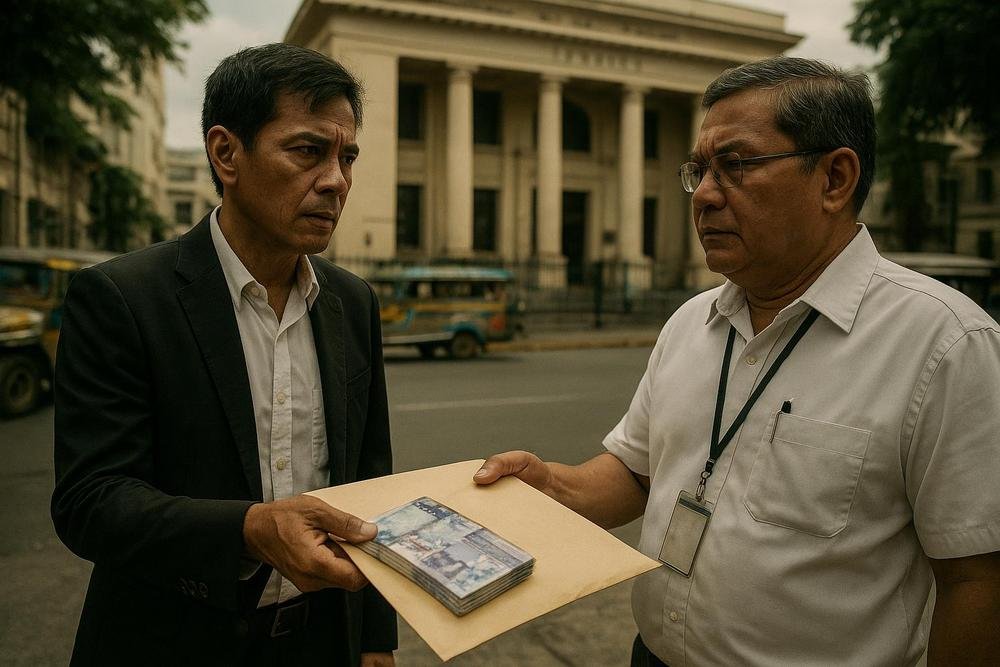
Gerard Opulencia, former director of the Department of Public Works and Highways (DPWH) National Capital Region (NCR) office, has surrendered ₱40 million to the Department of Justice (DOJ) as part of a broader plea agreement connected to the ongoing flood control corruption scandal. This initial repayment marks a significant step in efforts to recover public funds allegedly diverted through fraudulent flood mitigation projects, especially those affecting Metro Manila and Bulacan.
Ex-DPWH Official’s ₱40 Million Surrender Signals Breakthrough in Widening Investigation
The ₱40 million handed over by Mr. Opulencia on December 16 and 17, 2025, represents the first tranche of a ₱150 million commitment he made under a DOJ-negotiated plea arrangement. Acting Justice Secretary Fredderick Vida confirmed the surrender, framing it as “part of his pledge to refund ₱150 million.” The funds are linked to anomalous infrastructure contracts under the flood control portfolio, a scandal that has drawn intense scrutiny from prosecutors and the public alike.
Opulencia’s monetary return is not merely symbolic but serves a practical purpose in ongoing prosecutorial efforts. The DOJ is deploying his testimony to build coordinated cases against other government officials and lawmakers allegedly implicated in the misappropriation of flood-relief funds. Prosecutor General Richard Anthony Fadullon emphasized Opulencia’s value as a cooperating witness, noting his testimony on Bulacan flood control projects was “considered important; that’s why he was considered for and [into] the Witness Protection Program.”
Network of Irregularities Unveiled Around Flood-Mitigation Contracts
The DOJ’s probe exposes a complex web of alleged kickbacks and ghost projects linked to flood control contracts. Prior to Opulencia’s surrender, other DPWH personnel also turned over funds and assets. Notably, a Bulacan district engineer surrendered an undisclosed amount on November 28, contributing to what media sources broadly estimate as part of a ₱300 million total commitment from various respondents.
These developments reveal a network that appears to extend beyond the DPWH’s NCR office, involving contractors and officials connected to projects in Bulacan and potentially other provinces. The scale of the investigation has triggered multiple DOJ preliminary inquiries, with Opulencia currently a respondent in five separate cases. Despite the gravity of allegations, DOJ reports note that Opulencia remains officially employed by the DPWH but on a “floating” status, pending the outcome of ongoing investigations.
Legal Framework and Procedural Undertakings in Recovery Efforts
The surrender and criminal investigations hinge on several key legal statutes, including the Anti-Graft and Corrupt Practices Act (R.A. No. 3019), which criminalizes corrupt activities by public officials, and the Revised Penal Code provisions addressing malversation of public funds. The Anti–Money Laundering Act (R.A. No. 9160) also frames the pursuit of illicit wealth through frozen accounts and asset recovery. Additionally, the Witness Protection, Security and Benefit Act (R.A. No. 6981) governs the conditions under which cooperating respondents like Opulencia receive provisional protection.
Under these frameworks, the DOJ is processing the returned cash for turnover to government financial institutions, specifically the Bureau of the Treasury and the Bank of the Philippines, ensuring the funds are restored to the public coffers. The arrangement also includes a Memorandum of Agreement with Opulencia outlining his cooperation terms and witness protection status, though specifics remain confidential.
Implications for Public Infrastructure and Communities Affected by Flooding
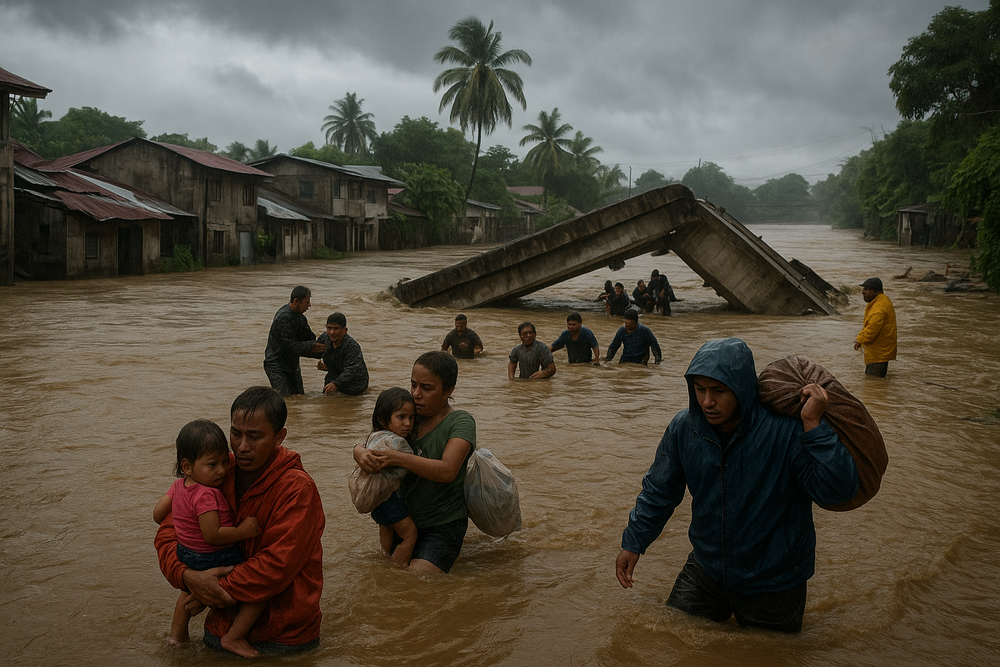
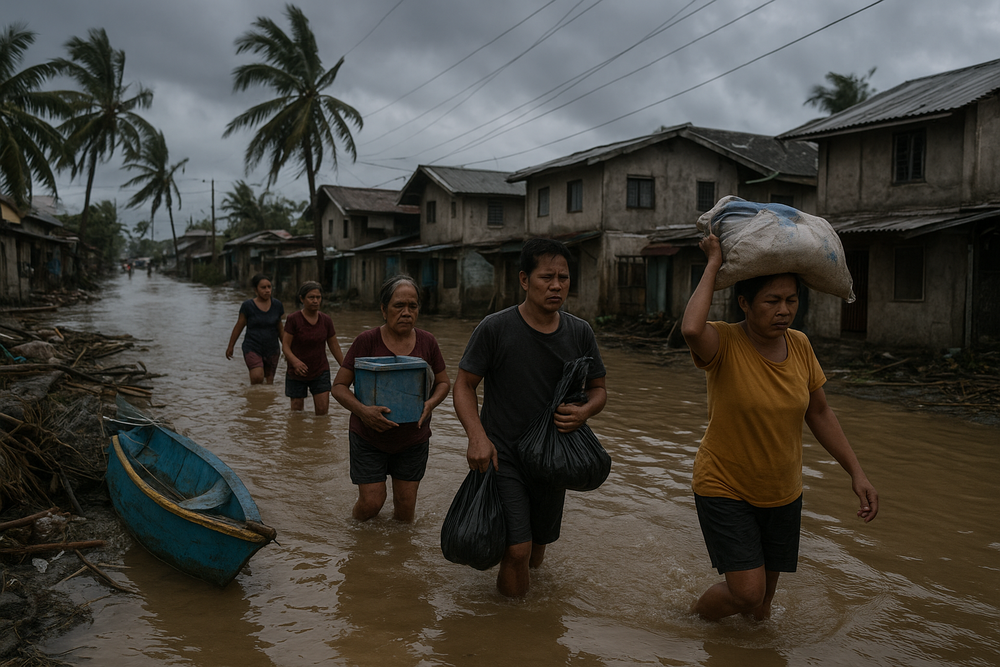
The alleged diversion of flood-control funds carries tangible consequences for millions of Filipinos who face seasonal floods. By undermining the delivery and integrity of flood mitigation projects, such corruption exacerbates the disruption of daily commutes, raises household repair costs, and threatens public safety. Families in Metro Manila and Bulacan bear the brunt of delayed or substandard infrastructure that should shield them from the rising tide of floodwaters.
Moreover, procurement irregularities distort local economies. Legitimate contractors and laborers risk displacement as contracts are allegedly channeled to favored firms, undermining employment opportunities and community development. Civil society groups and local government units demand that recovered funds be transparently reinvested to produce meaningful improvements in flood resilience, rather than generating further bureaucratic inertia.
Stakeholders and the Broader Fight Against Corruption
- Department of Justice: Central in receiving restituted funds, managing prosecutions, and formally admitting cooperating respondents to witness protection.
- Department of Public Works and Highways: Tasked with oversight, DPWH faces pressure to institute personnel accountability and improve procurement transparency.
- Related government bodies: Including the Anti–Money Laundering Council and the Bureau of the Treasury, which collaborate in tracking and processing returned assets.
- Private sector: Construction firms implicated in irregular contract awards are under scrutiny for their role in ghost projects and bid rigging.
- Civil society and local governments: Advocates emphasize the urgent need for infrastructure that provides real protection, linking corruption to increased economic hardship and social risk.
Outlook and Next Steps in the DOJ’s Flood Control Probe
The DOJ continues to leverage Opulencia’s cooperation to dismantle a broader scheme that implicates multiple officials and lawmakers. While the precise details of future charges remain sealed, the preliminary investigations have already underscored systemic weaknesses in procurement and oversight procedures.
As the scandal unfolds, calls for rigorous legislative oversight and stronger anti-corruption enforcement mount. For affected communities, the ultimate test will be whether these developments translate into concrete flood control improvements that restore public trust and protect the vulnerable from the recurring threat of devastating floods.