No tropical cyclone wind signals are currently in effect across the Philippines as Tropical Storm Ada, known internationally as Nokaen, continues to weaken while moving northward over the Philippine Sea. Weather authorities say the system, now downgraded to a tropical depression and verging on a remnant low, is pulling away from land and poses no immediate threat to populated areas.
As of the latest advisories, the storm was located about 820 kilometres east of Northern Luzon, packing sustained winds of 55 km/h with gusts reaching 95 km/h. Its once-organised circulation has begun to unravel, a sign, meteorologists say, that Ada is nearing the end of its lifecycle.
A Storm That Has Lost Its Grip
The Philippine Atmospheric, Geophysical and Astronomical Services Administration (PAGASA) confirmed that Ada has weakened steadily after earlier intensification near the Bicol Region. With its center now far offshore, PAGASA has lifted all tropical cyclone wind signals nationwide.
The Joint Typhoon Warning Center echoed that assessment, noting in its final bulletin: “This is the final warning on this system … [It] will be closely monitored for signs of regeneration,” though none are currently expected.
While the depression retains enough energy to stir rough seas — with significant wave heights of up to 4.3 metres near its center — these conditions are confined to open waters and are no longer affecting coastal communities directly.
Earlier Impacts Felt in Catanduanes
The calm that now blankets much of the archipelago follows a turbulent weekend for parts of eastern Philippines. In the early hours of January 18, Tropical Storm Ada made its presence felt over Catanduanes, where PAGASA raised Tropical Cyclone Wind Signal No. 2 across the entire island province.
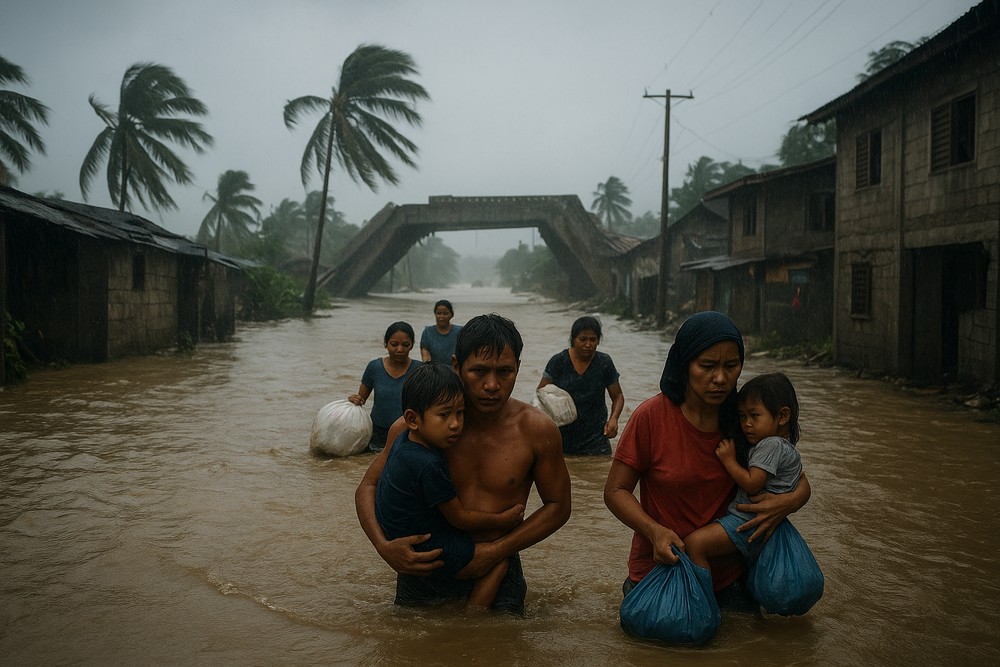
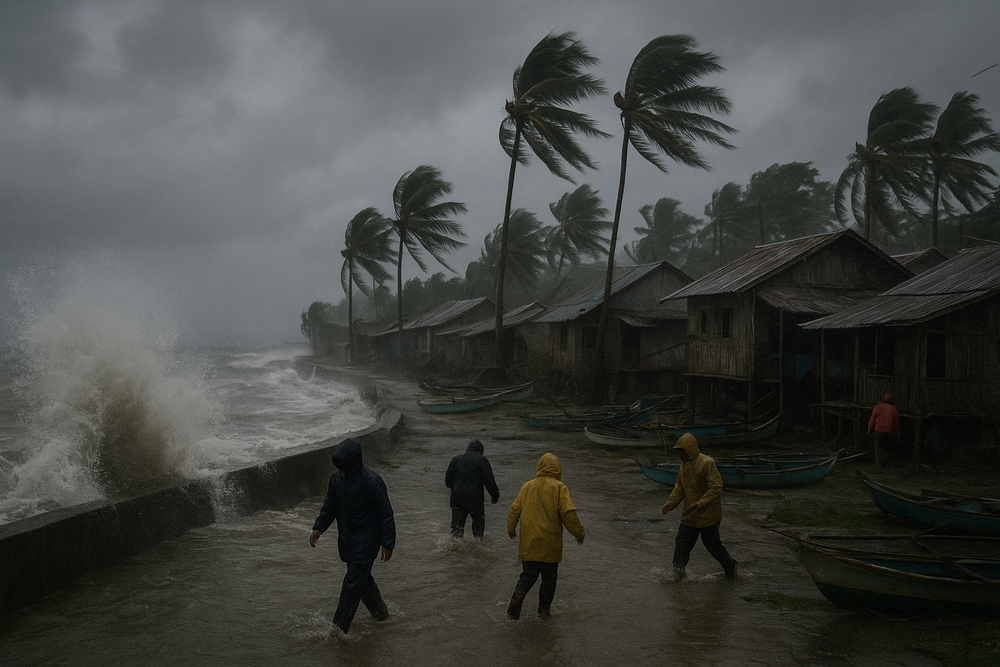
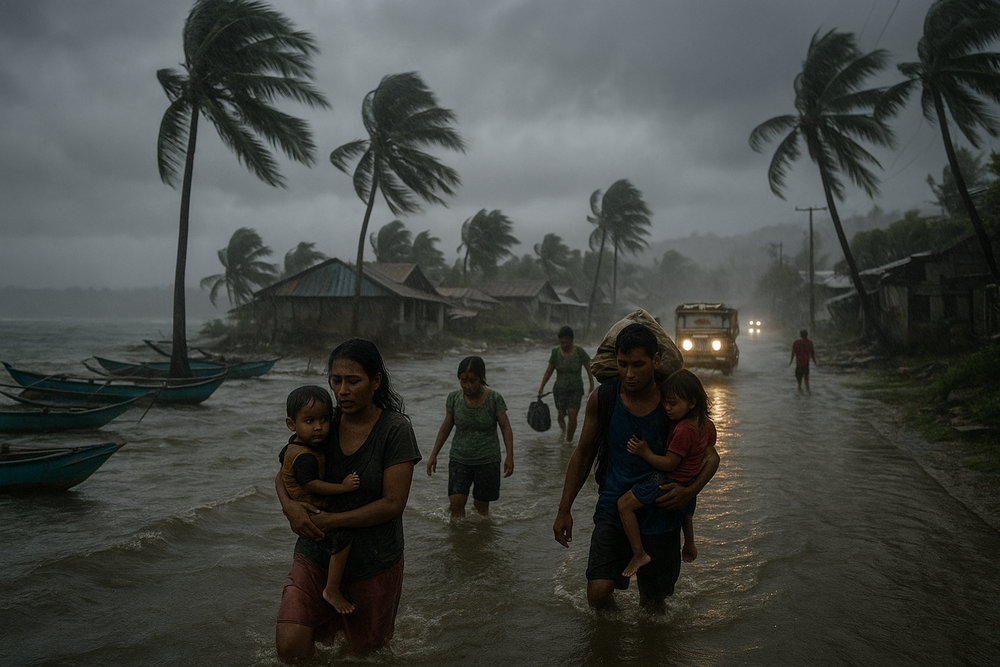
At its peak, Ada unleashed winds of up to 85 km/h with gusts reaching 105 km/h. Low-lying barangays in the municipalities of Gigmoto and Baras experienced flooding, while storm surges measuring 1.5 to 2 metres eroded coastal dikes and rendered several roads impassable.
Field reports at the height of the storm described Catanduanes as bearing the brunt of the season’s first major weather test, sitting squarely along what forecasters referred to as the system’s “looping track.”
Sea Travel Halted, Supply Lines Strained
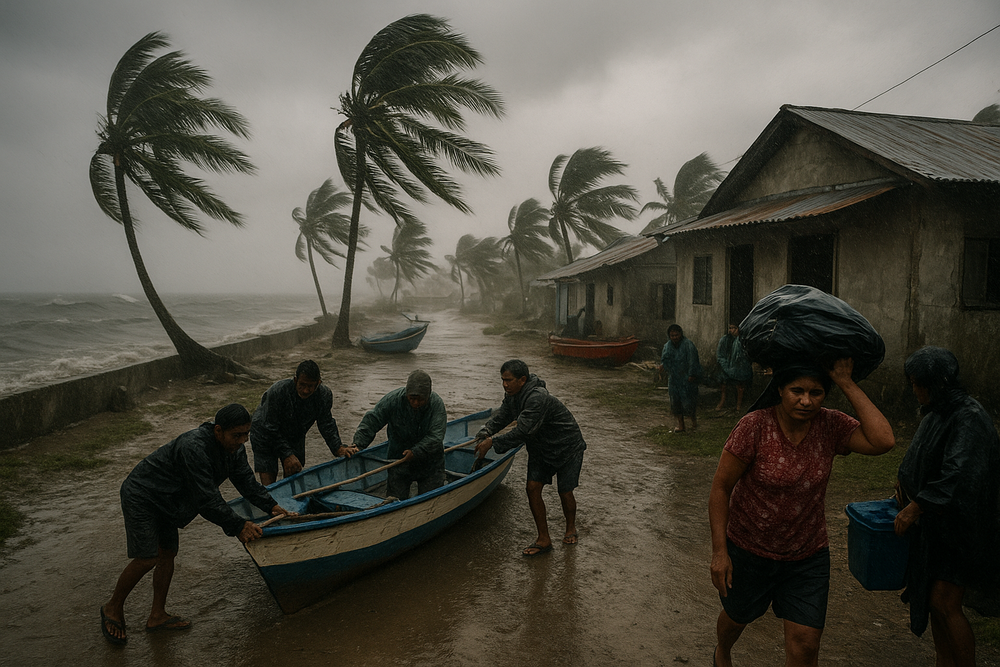
The storm’s effects rippled beyond the island. At 2 a.m. on January 18, the Philippine Coast Guard suspended all sea travel across the San Bernardino Strait, a key maritime corridor linking Luzon and the Visayas.
The closure led to a bottleneck at Matnog Port in Sorsogon, where more than 800 trucks, buses, and private vehicles were stranded. Transport operators warned of delivery delays for essential goods, including rice and vegetables, though authorities said disruptions were likely to be temporary.
No Disruptions in Major Urban Centres
Outside the storm-affected zones, daily life continued largely uninterrupted. Metro Manila and other major urban centres reported no class or work suspensions, underscoring the storm’s limited geographic footprint.
Historical data suggest that while tropical cyclones often cause a short-term dip in economic activity — typically between 1 and 2.5 per cent at the local level — such effects tend to fade quickly once conditions stabilise. Officials have yet to release consolidated figures on damage or losses linked specifically to Ada.
Watching the Remnants
By January 21, the system’s remnants were estimated to be more than 1,000 kilometres north-northwest of Yap, continuing to drift away from land. PAGASA cautioned that northeasterly surge winds of 45–55 km/h may still occur near the depression’s vicinity, posing hazards to small vessels operating far offshore.
For now, meteorologists describe Ada as a storm that has spent its force — a reminder of how quickly tropical systems can intensify, disrupt lives, and then fade, leaving communities to assess the damage and return to routine.