When dark clouds gather over the Philippines, the warnings issued by its weather bureau can mean the difference between routine disruption and disaster. In recent months, as above-normal rainfall becomes more likely under persistent La Niña conditions, the Philippine Atmospheric, Geophysical and Astronomical Services Administration (PAGASA) has intensified its use of rainfall warnings—alerts designed to signal when rain turns from nuisance to danger.
Understanding how these warnings work, and what they are meant to trigger on the ground, has taken on renewed urgency. From September 2025 through early 2026, weak La Niña conditions in the tropical Pacific have pushed the odds toward heavier rains, higher flood risk, and more frequent tropical disturbances across the archipelago.
What PAGASA’s Rainfall Warnings Are
PAGASA’s rainfall warnings are part of its broader early-warning system for weather-related hazards. They are issued when accumulated rainfall over a specific area is expected to reach levels that could trigger flooding or rain-induced landslides, particularly in low-lying and mountainous communities.
These warnings are not forecasts in the abstract. They are operational signals meant to prompt concrete actions—from heightened monitoring by disaster offices to class suspensions, evacuation preparations, and maritime travel restrictions.
In areas prone to flooding, rainfall warnings act like a rising alarm: the heavier and more sustained the rain, the louder the call for readiness.
Why La Niña Has Raised the Stakes
Since September 2025, the tropical Pacific has been under weak La Niña conditions, confirmed when sea surface temperature anomalies reached -0.5°C or lower. PAGASA has projected these conditions to persist until at least the first quarter of 2026.
La Niña does not cause storms directly, but it tilts the climate dice. Cooler ocean waters in the central Pacific typically bring above-normal rainfall to the Philippines, especially along its eastern seaboard. PAGASA has warned that from December 2025 through February 2026, rainfall totals are more likely to exceed seasonal averages.
Crucially, La Niña also correlates with a higher chance of tropical cyclones forming within the Philippine Area of Responsibility, one reason rainfall warnings have become more frequent and closely scrutinised.
The First Test of 2026
The year did not begin quietly. On January 13, PAGASA identified Low-Pressure Area 01b east-southeast of Mindanao, the first potential weather disturbance of 2026. Forecasts gave it a medium chance of developing into a tropical depression, later named Ada.
The system ultimately weakened and posed no serious threat. By January 20, Ada was already far east of Luzon and no longer affecting Philippine weather, expected to dissipate days later. Yet its brief presence served as a reminder of how quickly rainfall warnings can become relevant during La Niña periods.
As the National Disaster Risk Reduction and Management Council noted at the time, the disturbance underscored the need for vigilance in a country that experiences an average of 20 typhoons each year.
What Happens When a Warning Is Issued
Once rainfall warnings go out, a chain of responses is expected to follow. Local government units are responsible for translating these warnings into action—mobilising emergency teams, preparing evacuation centres, and issuing community-level advisories.
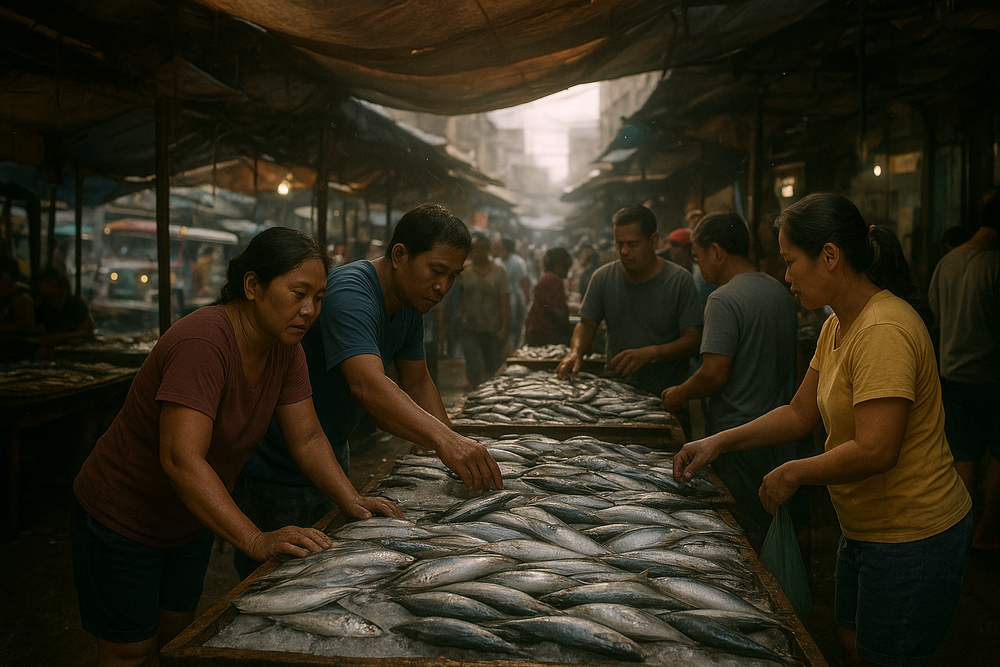
For residents, the messages are practical and immediate: secure homes, avoid flood-prone roads, postpone sea travel, and be ready to move if conditions deteriorate. For farmers and fishers, the implications are economic. Heavy rainfall can halt planting, reduce catch, and cut daily income.
PAGASA and disaster managers emphasise speed. “Every second matters,” the NDRRMC has stressed, framing early warnings as life-saving tools rather than cautious predictions.
The Human Cost Behind the Alerts
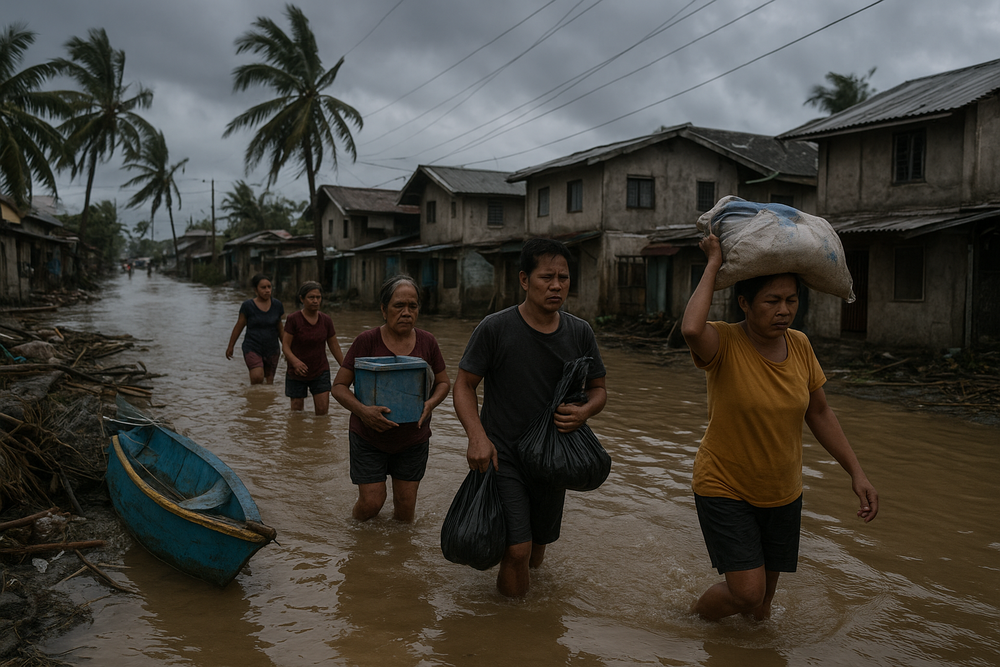
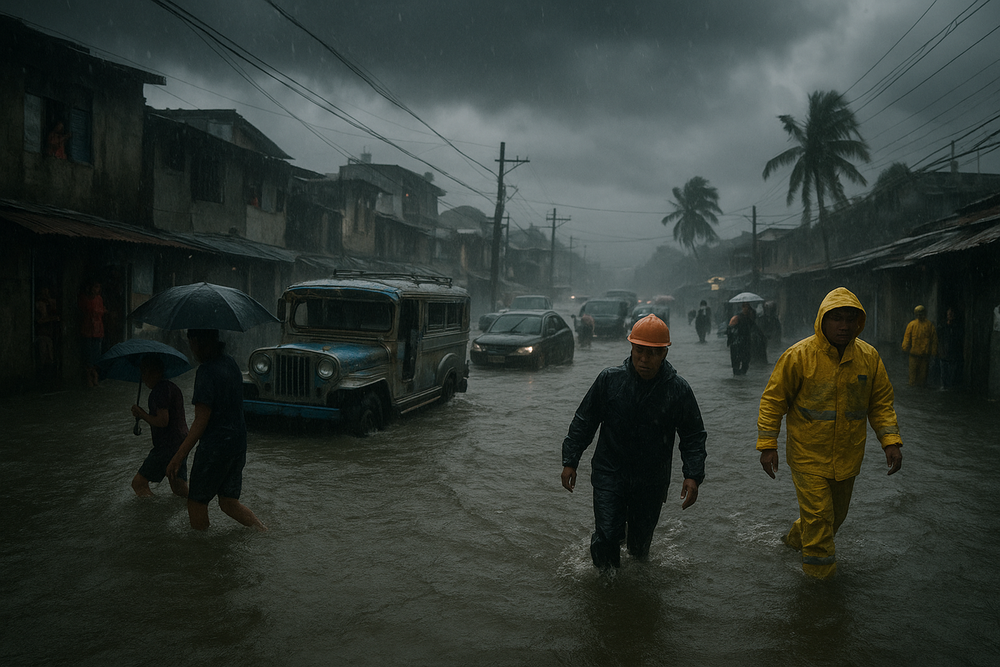
Rainfall warnings are issued in the language of millimetres and probabilities, but their impact is felt in daily life. Commuters in flood-prone cities face hours-long gridlock. Informal settlers in low-lying areas worry about sudden evacuations and damaged belongings. Parents weigh the risk of sending children to school during relentless downpours.
Public health risks also rise. Floodwaters and poor drainage create breeding grounds for dengue and expose communities to waterborne diseases, particularly where sanitation systems are weak.
For some, repeated advisories bring “alert fatigue”—a sense that warnings are routine, even when the underlying risk remains high. Disaster experts warn that this complacency can erode trust and slow response when a truly severe event arrives.
Limits of Warnings—and What Comes After
Civil society groups have long argued that warnings alone cannot compensate for gaps in infrastructure. Poor drainage, unregulated settlements, and deforested slopes magnify rainfall hazards, turning heavy rain into catastrophe.
Local officials, meanwhile, often find themselves trapped between accurate forecasts and limited resources. Evacuation centres are finite. Emergency budgets are tight. A warning can buy time, but it cannot always buy safety.
Private insurers and infrastructure operators, by contrast, closely track PAGASA advisories, using them to manage exposure and plan operations. For them, reliable rainfall warnings reduce uncertainty and financial loss.
A Tool, Not a Guarantee
PAGASA’s rainfall warnings are best understood as invitations to act. They translate complex climate signals—like La Niña and ocean temperature shifts—into guidance ordinary people can use.
As weak La Niña conditions continue into early 2026, those alerts are likely to remain a frequent feature of daily life in the Philippines. Their effectiveness will depend not only on forecasting accuracy, but on whether communities, governments, and institutions are able—and willing—to respond.
In a season shaped by water, preparedness, like rainfall itself, must come early and be sustained.